A Growing Global Health Threat: Cancer Driven by Infections
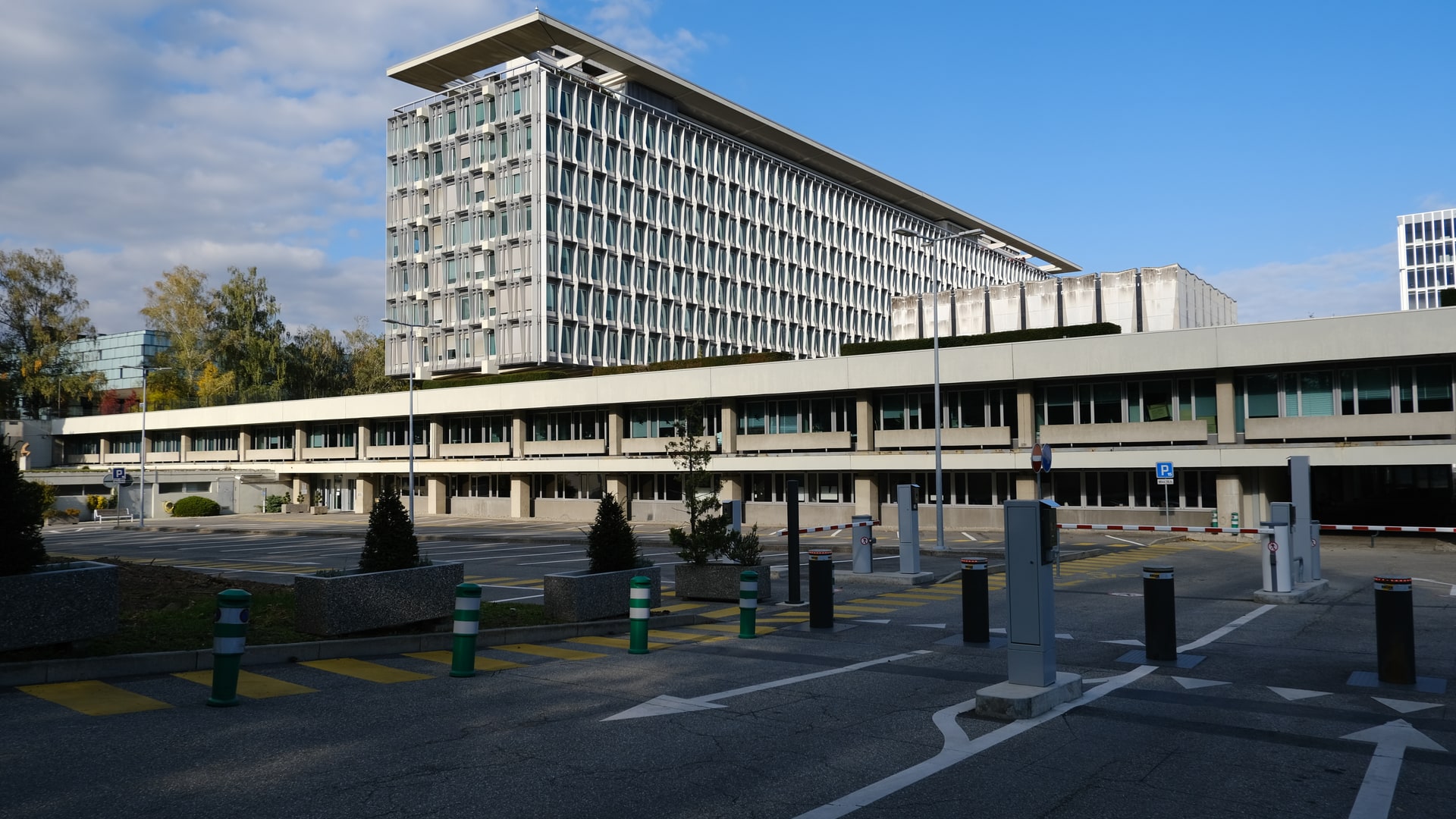
Despite modern medical advancements and numerous public health campaigns, cancer continues to spread rapidly worldwide. A recent report released by an institution affiliated with the World Health Organization (WHO) has raised serious concerns among health experts. According to this latest study, a major portion of cancer cases globally is linked to infections that could have been easily prevented with proper precautions and timely treatment.
Experts believe that if these infectious agents are identified in time and brought under control, millions of lives can be saved. This situation not only highlights the challenges in the healthcare system but also underscores the importance of prevention-based medicine.
Shocking Figures: 23 Lakh New Cases Stemming From Infections
According to the comprehensive study conducted by the International Agency for Research on Cancer (IARC), approximately 2.3 million new cancer patients worldwide in 2024 had underlying viral, bacterial, or parasitic infections. This figure accounts for about 12 percent of all new cancer cases globally. These numbers clearly demonstrate that infectious agents are not limited to common illnesses, but also trigger severe, life-threatening conditions through cellular mutations.
The study also found that these infection-linked cancer cases are primarily concentrated in low- and middle-income countries. The lack of access to healthcare services and inadequate awareness regarding hygiene and vaccination in these regions exacerbate the situation.
H. pylori Bacteria Emerges as the Primary Culprit
Among the 12 major infectious agents identified by scientists, 'Helicobacter pylori' (H. pylori) has proven to be the most dangerous. This bacterium typically thrives in the human stomach, causing chronic inflammation or ulcers. Data shows that in 2024 alone, H. pylori infection was responsible for nearly 760,000 new cancer cases, accounting for about 4% of global cancer.
This particular bacterium is mainly associated with various types of stomach cancer and a form of non-Hodgkin lymphoma. Since this infection spreads through contaminated food and poor hygiene, improving lifestyle and sanitary conditions is deemed essential for controlling it.
Experts' Take: Vaccination and Screening Are the Only Way Forward
Discussing the findings of the study, Harriet Rumgay, a scientist in the cancer surveillance branch at IARC, emphasized that despite significant global progress in vaccination and cancer screening programs, infection-linked cancers remain a major challenge. She clarified that unless we strengthen infection control at the grassroots level, reducing this burden of cancer will remain an uphill battle.
"These findings clearly demonstrate how crucial infection control can be in reducing the global burden of cancer. If we can stop these pathogens in time, millions of lives can be saved."— Harriet Rumgay, Scientist, IARC
Future Strategy: Focus on Prevention and Awareness
Public health experts state that governments and health organizations must now shift their priorities. Instead of focusing solely on treatment, emphasis must be placed on preventive measures such as safe drinking water, better sanitation, timely vaccinations, and regular medical screenings. Expanding these facilities, especially in rural and economically vulnerable areas, is the need of the hour to drastically reduce such cases in the future.