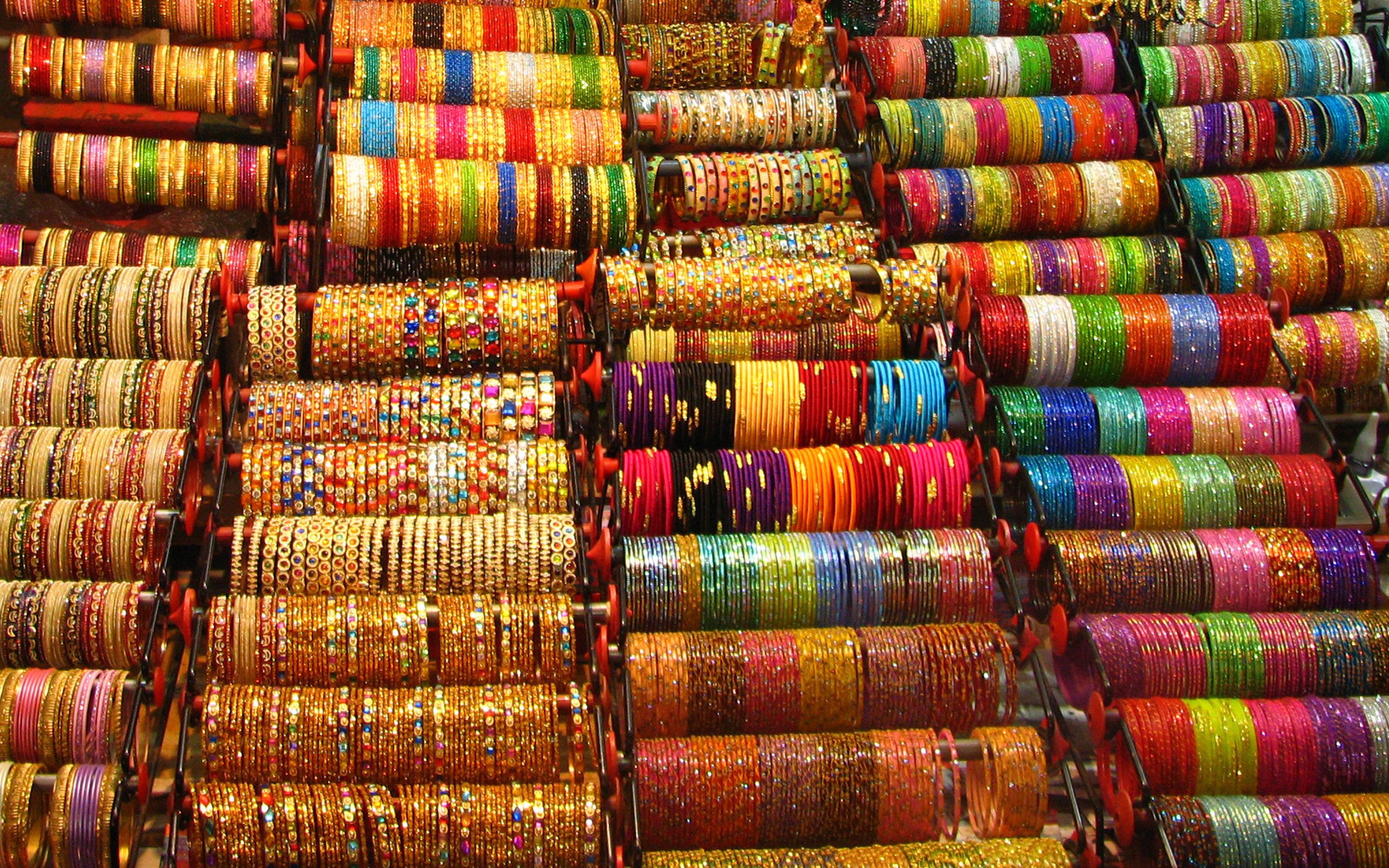
In Indian society, the mere mention of the word 'bangle' evokes images of colorful glass circles chiming on wrists, symbolizing marital bliss and tradition. However, a deep-dive analysis of Google Trends and ground realities reveals that this traditional accessory is no longer confined to adornment alone. As a senior field reporter for 'The Freelance', our investigation uncovered how the narrative around bangles now intersects with modern fashion, artisanal struggles, political rhetoric, and rising urban crime.
From Firozabad Furnaces to Modern Fashion: The Evolution of Glass
Firozabad in Uttar Pradesh, famously known as 'Suhag Nagari', remains the epicenter of India's bangle industry. Yet, the industry has undergone a massive transformation. Traditional heavy glass bangles are steadily being replaced by lightweight, durable glass cuffs that women are embracing enthusiastically. Artisans note that these lightweight designs reduce the fear of breakage, making them highly practical for modern working women.
Simultaneously, the fashion market is witnessing a surge in thread-wrapped bangles, moving beyond traditional glass. This blend of cottage industry heritage and contemporary aesthetics is successfully capturing the imagination of the younger generation.
Bangles as Political Metaphors: Arrows of Rhetoric
The cultural symbolism of bangles often extends into the rough-and-tumble world of Indian politics. Recently, political discourse in states like Bihar flared up with statements involving metaphorical challenges related to wearing bangles. Such rhetoric is frequently deployed in political posturing to question opponents, reflecting deep-seated cultural symbolism tied to gender expectations.
Historically, the symbolic dispatching of bangles has also surfaced in sensitive socio-political milestones, linking cultural items to profound moments of unrest and historical investigations.
The Dark Side: Rising Street Crimes Targeting Women
On a more concerning note, bangles and traditional jewelry have become targets for street criminals. Recent investigative reports highlight incidents where women returning from markets are intercepted and robbed of their bangles, mangalsutras, and earrings. This highlights a growing vulnerability regarding women's safety in public spaces.
Key Insights and Findings
- Shifting Preferences: Lightweight and break-resistant glass designs are dominating production in Firozabad.
- Alternative Textures: Thread and fabric-based bangles are capturing new market segments.
- Political Metaphors: The rhetoric of gifting bangles remains a staple in adversarial political signaling.
- Crime Vulnerability: Traditional jewelry and bangles are increasingly targeted by street snatchers.
Conclusion and Future Impact
The 'bangle' is not a mere inanimate object; it is a mirror reflecting the contradictions of modern Indian society. While it continues to represent art, culture, and artisanal resilience, it also tells a complex story of changing fashion, aggressive politics, and crime. Until the cultural symbols and physical safety of women are fully protected, the story of the bangle will remain intricately tied to these societal struggles.