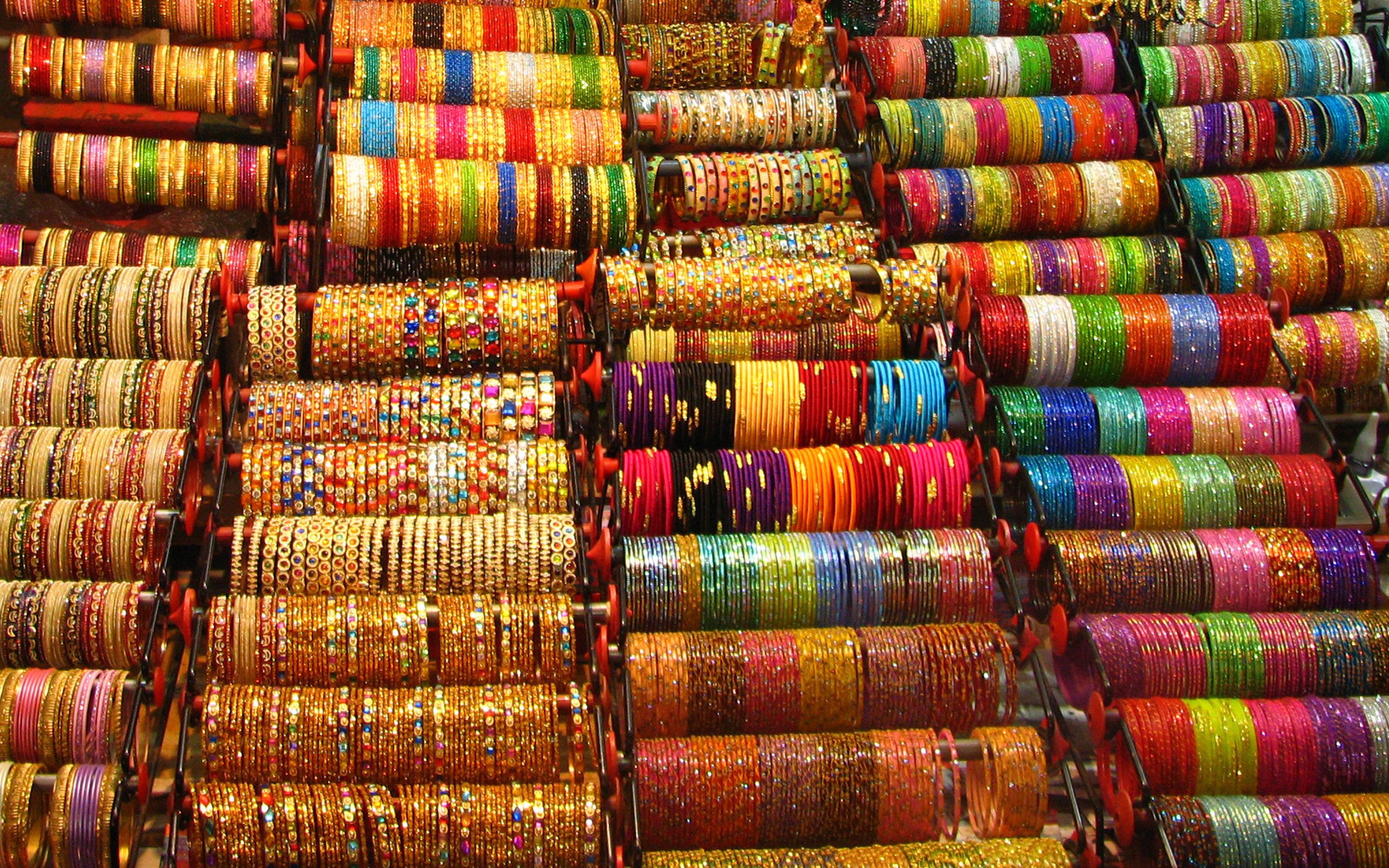
In Indian culture, the jingle of bangles adorning a wrist is not merely a symbol of adornment; it is an intrinsic thread of the nation's social, economic, and political fabric. When Google Trends data collided with reports from various corners of the country at 'The Freelance' desk, it became evident that this seemingly ordinary object lies at the heart of several complex narratives. From the bustling lanes of Firozabad to the political corridors of Patna, and from rising street crimes to evolving fashion trends, bangles continue to profoundly influence the Indian psyche.
From Firozabad Kilns to Modern Fashion Trends
Firozabad in Uttar Pradesh, famously known as the 'City of Bangles', remains the heart of India's glass industry. Recently, lightweight and durable glass bangles have gained immense popularity among women, eliminating the constant fear of breakage. With changing times, women's preferences have evolved. Alongside traditional heavy glass, thread-wrapped colorful bangles have carved out a strong market presence. These modern designs are enhancing aesthetic appeal and emerging as the top choice for contemporary working women. Artisans believe that evolving techniques have breathed a new lease of life into this traditional craft.
Political Rhetoric and the Symbolic Use of Bangles
In Indian politics, bangles have historically served as a potent tool for protests and taunts. The symbolism resurfaced recently in Bihar's political landscape during heated exchanges involving leaders like Samrat Chaudhary, where remarks regarding bangles were deployed to question political resolve. History shows that whenever opposition parties or activists wish to mock a government or leader for perceived inaction, sending bangles remains a classic symbolic gesture—highlighting the deeply entrenched, albeit problematic, gender tropes in political discourse.
Crime, Security, and Vulnerability
On the flip side, a grim reality surrounds women's safety concerning their adornments. Incidents of snatching, where women returning from markets are intercepted and robbed of their bangles, mangalsutras, rings, and earrings, are on the rise. Such crimes underscore the persisting challenges regarding women's safe mobility in public spaces, where even their traditional ornaments make them direct targets for street criminals.
Historical Retaliation and Underworld Shadows
The journey of bangles extends beyond contemporary fashion and politics into the darker chapters of Indian history. Retrospectives of the post-Babri demolition era and Mumbai's underworld history reveal how communal tensions and vengeance narratives occasionally intertwined with symbolic gestures involving women sending bangles, elements that investigative accounts trace back to the backdrop of terror conspiracies like the 1993 Mumbai blasts. This proves that this delicate object has silently witnessed some of the nation's most turbulent historical episodes.
Conclusion
A bangle is much more than a piece of jewelry; it is a living document of Indian society infused with hues of art, economics, politics, and crime. As long as cultural symbols retain their power in India, the resonance of bangles and the stories attached to them will continue to echo.