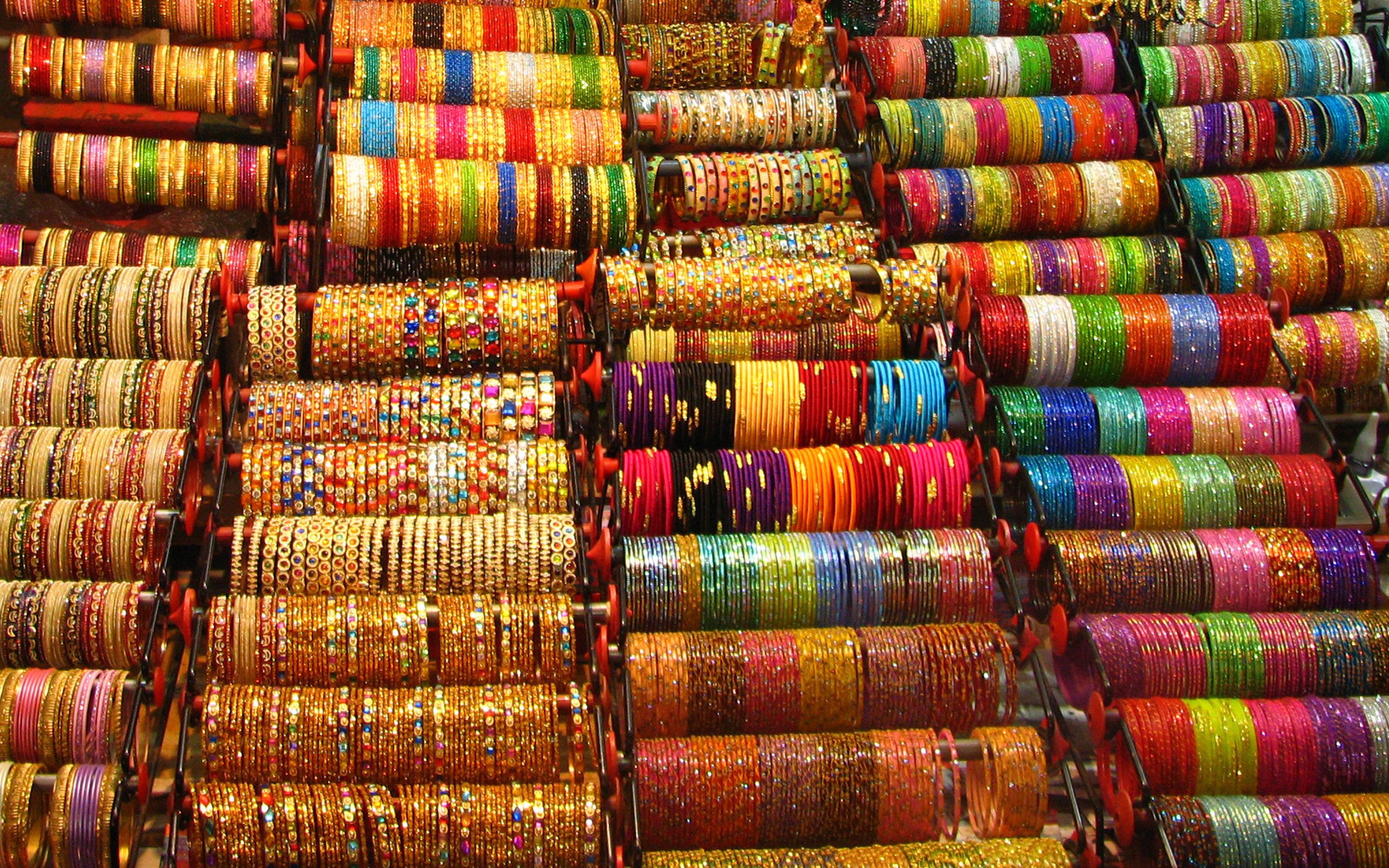
In Indian culture, the mere mention of the word 'bangle' conjures images of tinkling glass and a vibrant world of colors. However, our ground investigation reveals that bangles are no longer just symbols of marital status or ornamentation. From changing fashion trends to national politics and crime reports, bangles have become a multifaceted subject reflecting various facets of Indian society.
From Firozabad Kilns to Modern Markets
Firozabad remains the epicenter of India's glass bangle industry, but preferences are evolving. Women now prefer lightweight glass bangles that are durable, alongside a surge in popularity for silk thread bangles offering unique modern designs. This blend of tradition and modernity is breathing new life into a centuries-old cottage industry.
Bangles as Political Rhetoric and Historical Motifs
Bangles have long been used in Indian politics as symbolic tools of defiance or sarcasm. Recent political sparing in states like Bihar highlighted statements suggesting opponents should wear bangles—a trope historically rooted in patriarchal challenges. Similarly, archival references recall periods of intense social turmoil, such as post-Babri Masjid demolition reactions, where bangles were sent as protests.
Rising Crime and Women's Safety
Beyond culture and politics, street crime presents a grim reality. Recent incidents of women being waylaid while returning from markets, robbed of their bangles, mangalsutras, and jewelry, highlight growing concerns over public safety and urban policing.
Conclusion
At the crossroads of tradition, politics, and crime, the humble bangle remains deeply intertwined with the socio-cultural fabric of India, telling a story far complex than its fragile appearance suggests.