In Indian culture, the tinkling of bangles has for centuries enriched art, literature, and folk songs. However, when we look beyond Google Trends and investigate on the ground, we find that the 'bangle' is not merely a piece of glass or metal, but a sensitive and often explosive symbol of our social and political fabric. 'The Freelance' special investigative team has explored various dimensions of this subject, stretching from fashion to crime and the corridors of power.
From Firozabad Furnaces to Thread-Art: The Evolving Bangle Market
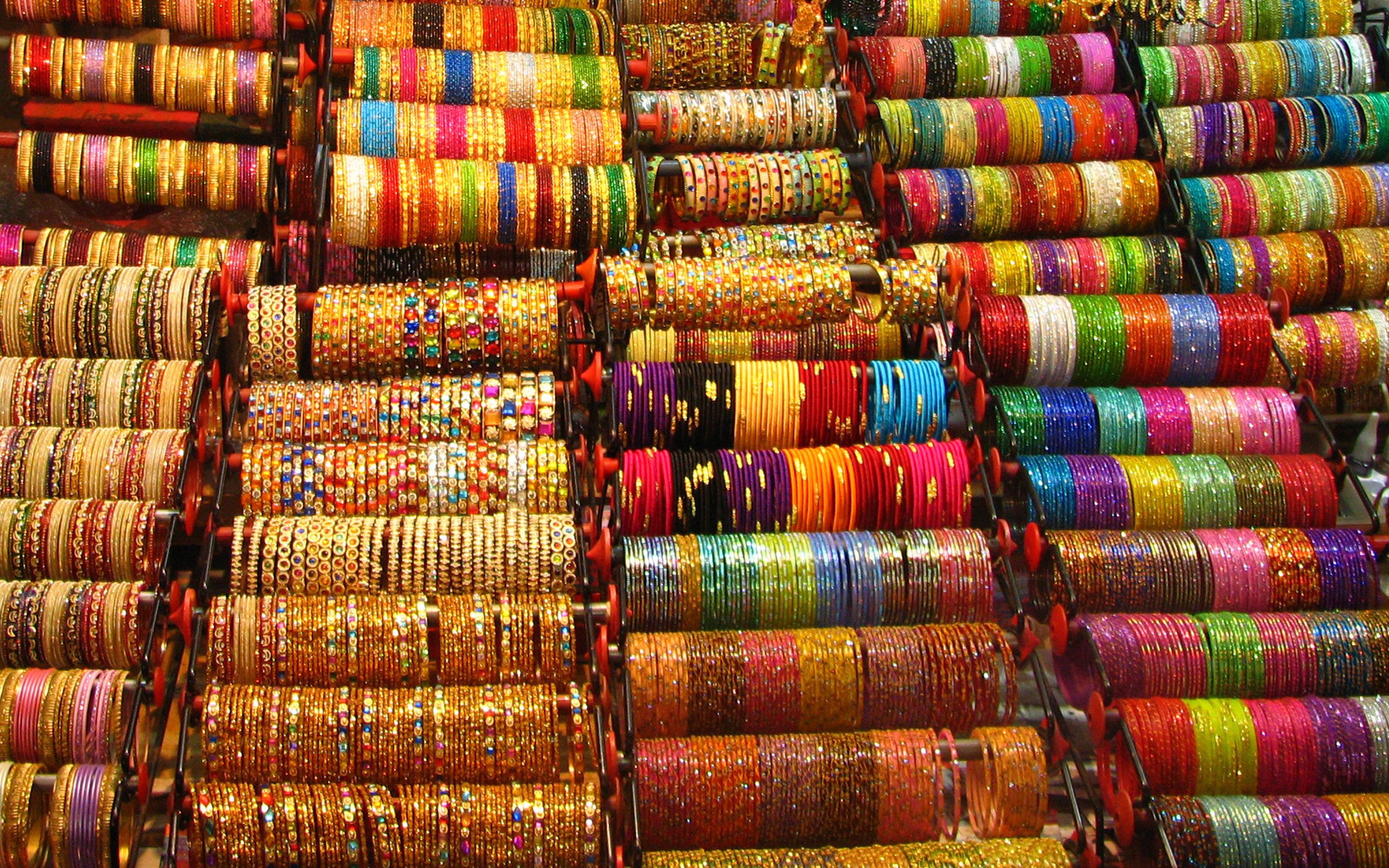
Uttar Pradesh's Firozabad district remains known as the glass city of the country, where raw glass is prepared in furnaces. Recently, a major shift has been observed in the market. Traditional heavy glass bangles are being replaced by lightweight, modern-designed bangles that reduce the fear of breakage. Simultaneously, colored thread-art bangles have carved out a strong market in metropolitan cities, attracting youth looking for ethnic fusion.
Political Rhetoric and the Symbolism of Bangles
In Indian politics, bangles have often been used as a weapon to mock opponents and challenge patriarchal mindsets. During recent political developments in states like Bihar, sharp statements involving 'bangles' emerged when leaders were questioned. Political analysts believe this reflects how patriarchal tendencies still associate traditional female symbols with weakness or helplessness in political discourse.
Historical Layers: Crime, Terrorism, and the Echo of Bangles
The association of bangles is not limited to adornment or politics; it also has a dark historical side. In the aftermath of the 1992 Babri Masjid demolition and subsequent Mumbai bomb blasts, intelligence and police records documented testimonies highlighting the role of women and symbols during social upheavals. Turning these pages of history reveals how an ordinary object becomes part of national security narratives and heinous crime investigations.
Rising Street Crime and Vulnerable Women
Another concerning aspect of our ground investigation relates to the underworld of crime. Recently, incidents have emerged from various parts of the country where lone women returning from markets were targeted. Criminals waylaying women and forcibly snatching bangles, mangalsutras, and other jewelry have raised serious questions about law and order, symbolizing how vulnerable women remain in public spaces.
The 'bangle' serves as a mirror of Indian society, reflecting the sparkle of tradition and art on one side, and political sarcasm and the dark shadow of crime on the other.
Ultimately, the journey of the bangle is not restricted to marital symbolism or fashion; it has evolved into a deep document encapsulating the contradictions, political culture, and fundamental security questions of Indian society.