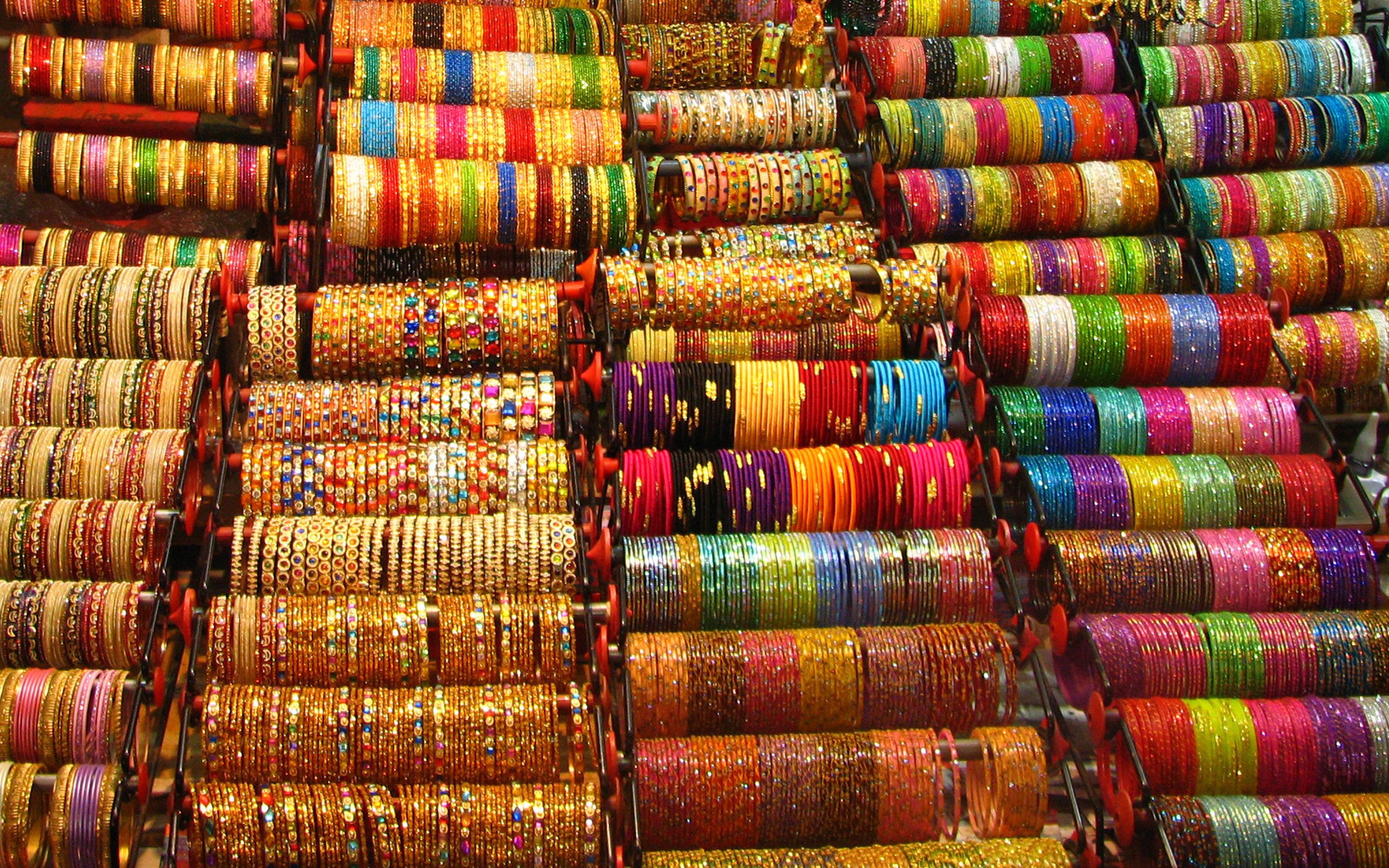
In Indian society, the 'bangle' is much more than a mere ornament; it is a symbol of emotions, traditions, art, and at times, sharp political conflict. When 'bangles' suddenly emerged as a trending topic on Google Trends, The Freelance's special investigative team decided to explore its various dimensions. From the streets of Firozabad in Uttar Pradesh to the political corridors of the national capital and crime headlines, multiple layers associated with bangles came to light.
The Firozabad Glass Industry and the Era of Lightweight Bangles
Whenever bangles are mentioned, Firozabad—known as the city of suhag—comes to mind first. According to recent reports, artisans here have adapted to changing times by creating lightweight glass bangles that are not only beautiful but also much less prone to breaking compared to traditional glass. Retaining the classic clink while catering to modern women's preferences, these new designs are gaining rapid popularity. Additionally, the trend of thread-work bangles adorned with colorful threads has provided a fresh alternative to traditional glass.
Beyond Cultural Identity: Politics and Symbolism
The use of bangles in Indian politics has often served as a symbolic tool for sharp rhetoric, frequently sparking controversies. Recently, statements involving 'bangles' heated up the political landscape in Bihar, where remarks directed at a leader reflected persistent patriarchal undertones and political sarcasm. Historically, dating back to sensitive periods like the post-Babri Masjid demolition era and underworld narratives, references to bangles and women's defiance have remained a staple of intense discussions, highlighting deep social wounds and the politics of statements.
The Growing Shadow of Street Crime and Insecurity
Another facet of bangles is deeply concerning. Recently, incidents have emerged from various parts of the country where women returning from markets were targeted. Waylaying women on desolate paths and forcibly snatching their bangles, mangalsutras, rings, and earrings raises major questions about public safety. When personal and traditional items like bangles become targets for criminals, it directly highlights vulnerabilities in law and order and women's safety.
Conclusion: Two Ends of Tradition and Modernity
Our on-the-ground investigation reveals that the 'bangle' is no longer limited to being a sign of fashion or marital status. On one hand, it narrates the story of traditional handicrafts and a glass industry adapting to modern changes; on the other hand, it serves as a weapon of political rhetoric and highlights the plight of women falling prey to urban crime. This report by The Freelance testifies that even a seemingly simple object can encapsulate the diverse and contrasting faces of society.
- Demand for lightweight and durable glass bangles has surged in Firozabad.
- Alongside traditional glass, 6 new designs of thread-work bangles are currently trending.
- Symbolic use of bangles on political platforms continues to anchor controversies and headlines.
- Incidents of jewellery snatching targeting women returning from markets raise security concerns.