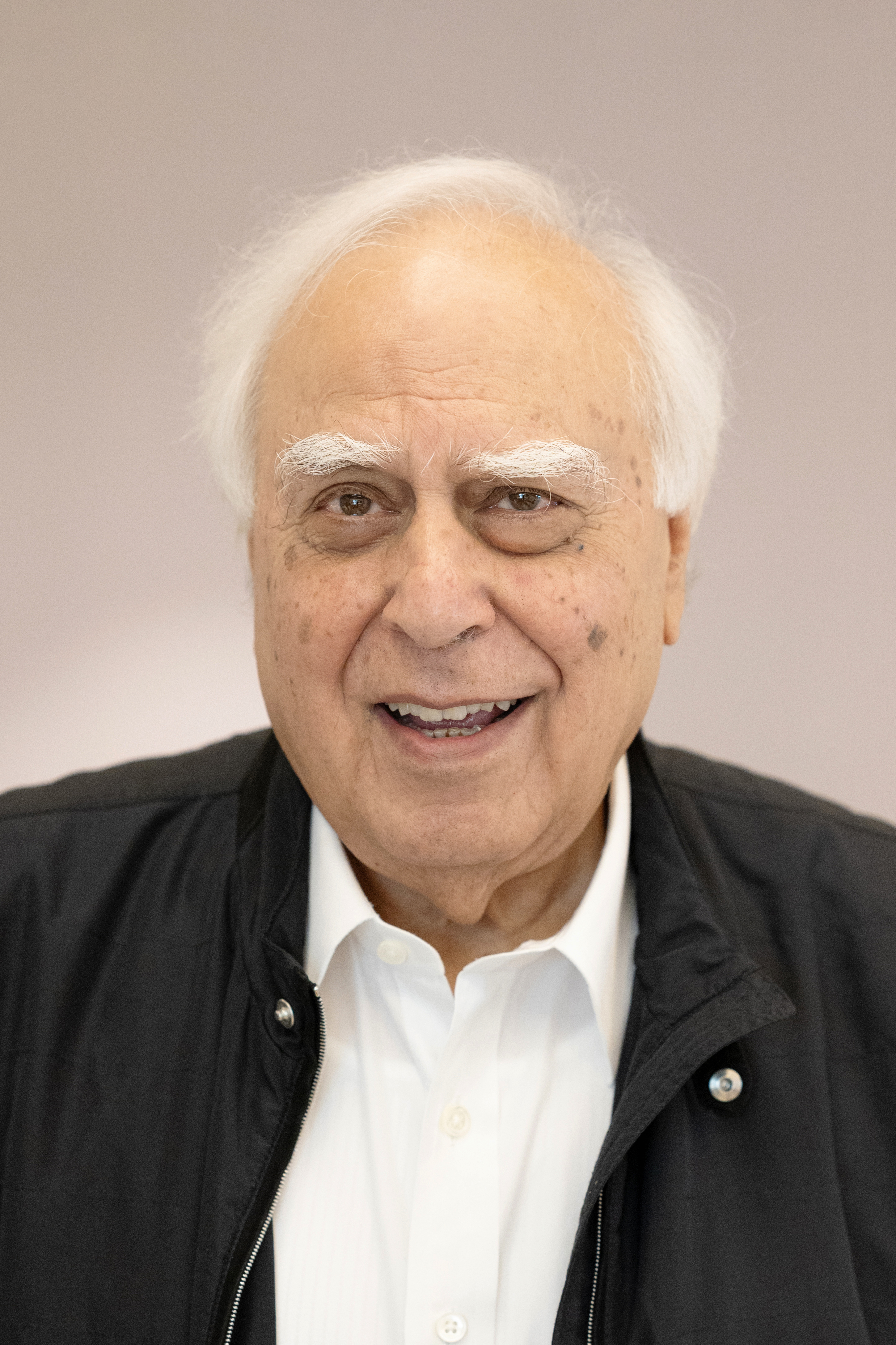
New Delhi: A profound phase of introspection and subtle friction between the judiciary and the political corridors is currently gripping the national capital. At the center of this storm once again stands veteran advocate and Member of Parliament, Kapil Sibal. Dominating Google Trends with massive traction, Sibal's recent interventions on judicial patterns, Election Commission disputes, and anti-defection laws have forced both legal experts and citizens to rethink the state of Indian democracy. 'The Freelance' ground reporting team has closely investigated these developments to bring out the core realities.
The Question of 'Pattern' and Mirror Reflection in Supreme Court
During a high-stakes hearing in the Supreme Court, senior counsel Kapil Sibal pointed toward a specific 'pattern' emerging within the judicial process. This came at a time when the inner workings of the apex court are under intense public scanner. Interestingly, the bench led by Justice Suryakant responded with deep introspection, remarking that 'we must look into the mirror ourselves.' This candid exchange highlights the ongoing push for transparency and self-correction within India's highest judiciary, a moment closely tracked by our correspondents outside the courtroom.
EC Disputes and the Call for Unity
Beyond judicial corridors, Sibal's political stance has equally sharpened. Amid ongoing controversies surrounding the Election Commission—particularly the interim order freezing the Trinamool Congress's (TMC) original name and 'twin flowers and grass' symbol, which prompted the Mamata Banerjee faction to approach the Supreme Court—Sibal issued a forceful nationwide appeal: 'Enough is enough, we must unite now.' This political positioning adds new momentum to the ongoing debates concerning the neutrality and autonomy of constitutional bodies.
A Decade-Long Ban on Defecting MPs and MLAs
Tackling one of the oldest ailments of Indian democracy—political defections—Sibal has proposed a stringent remedy. He suggested that MPs and MLAs who switch parties after winning elections should face a strict 10-year ban from contesting. According to our field sources, this bold legislative proposal has drawn support from various quarters, including CJP. If materialized, such a reform could radically transform India's political loyalty landscape.
The Tarun Tejpal Plea for Speedy Bail
Amidst these heavyweight constitutional battles, Sibal also pressed for individual liberty. In the high-profile Tarun Tejpal case, Sibal formally urged the Supreme Court to fix an early date for his bail hearing. Our investigative desk notes that while Sibal handles monumental institutional disputes, his persistence in individual rights cases remains a constant anchor in his legal practice.
Future Implications
Synthesizing these varied events, it is evident that Kapil Sibal is operating not just as a legal counsel, but as a critical catalyst and commentator on the current democratic trajectory of India. Whether it is judicial introspection, electoral autonomy, strict anti-defection laws, or personal liberty, these issues will profoundly shape India's political and legal future. 'The Freelance' will continue tracking these developments.