
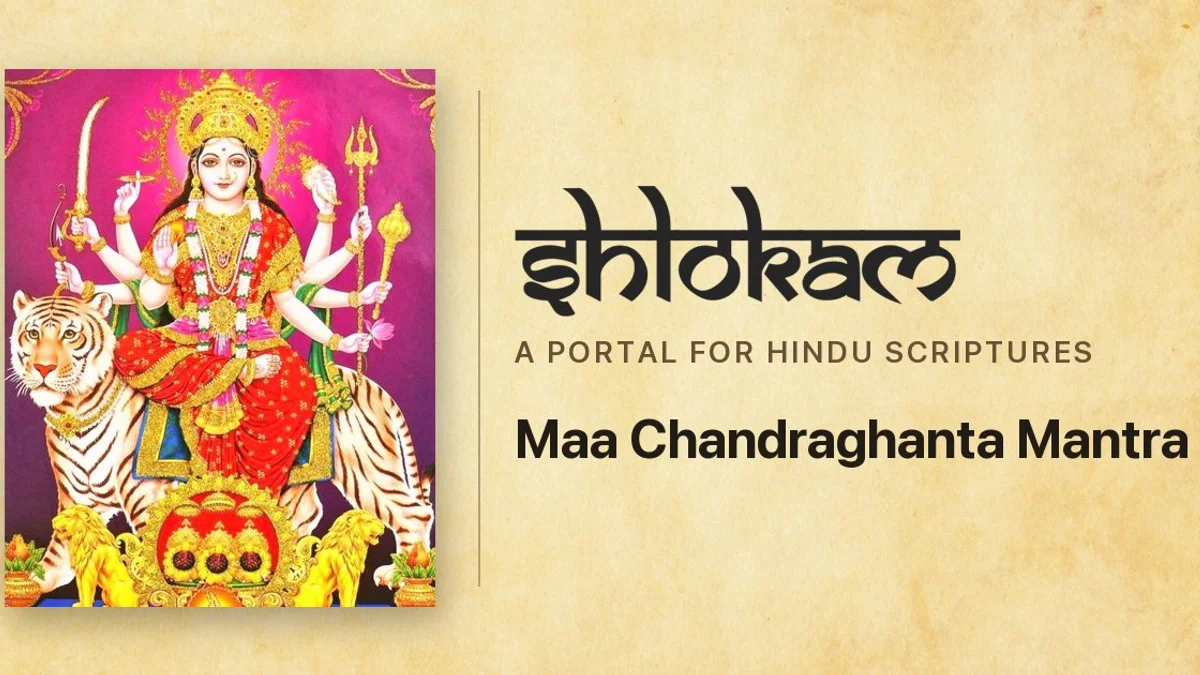
On the third day of Shardiye Navratri, devotees worship the third form of Goddess Durga, Maa Chandraghanta. She is named so because a half-moon adorns her forehead. Her ten hands hold various weapons, symbolizing her immense divine power and protection.
It is believed that worshipping Maa Chandraghanta instills courage, confidence, and fearlessness in her devotees. Her divine form is a perfect blend of power and grace, inspiring inner strength to overcome all obstacles.
Worship Rituals and Offerings
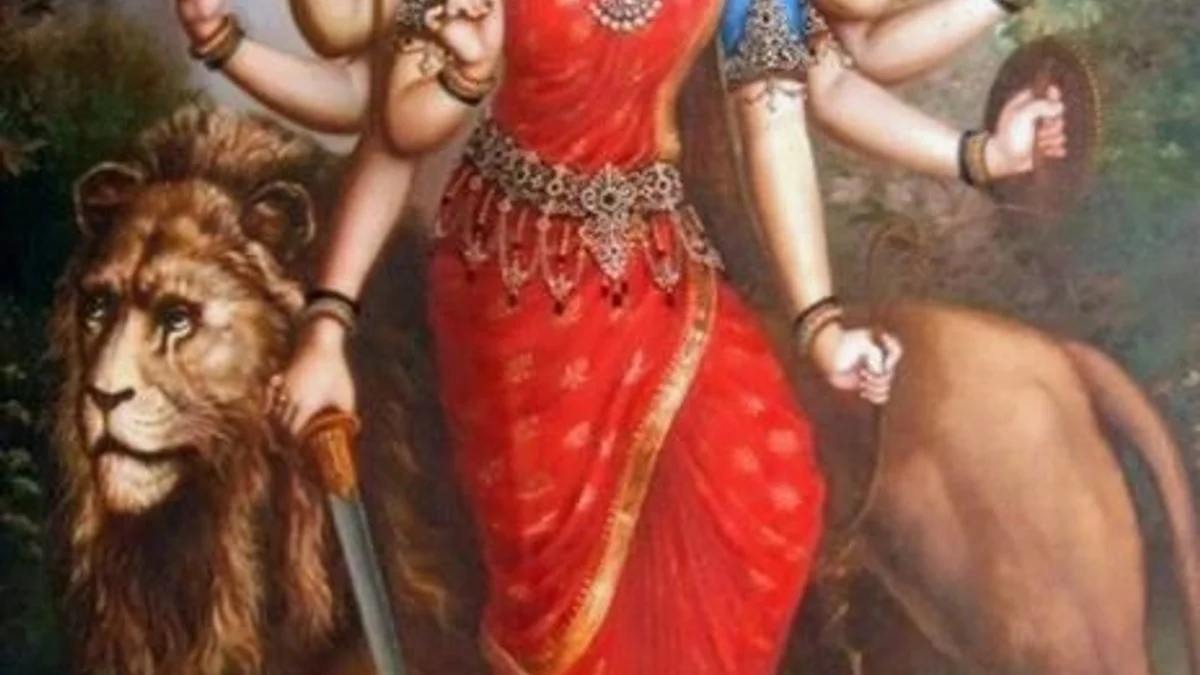
On the third day of Navratri, wake up early, take a bath, and wear clean clothes. Wearing red attire is considered highly auspicious for this day. Offer red flowers, red sandalwood, and a red chunri to the Goddess. It is customary to offer milk or milk-based sweets as 'bhog'. Conclude the worship by distributing the prasad among family members.
Remedies for Mangal Dosh
According to astrological traditions, Maa Chandraghanta is associated with the planet Mars (Mangal). Individuals suffering from a weak Mars or Mangal Dosh in their horoscope can benefit greatly by worshipping her. Offering red flowers and a copper item to the Goddess, followed by chanting the Mars mantra 'Om Aim Angarkaya Namah', helps pacify malefic planetary effects.
Legend of Mahishasura's Destruction
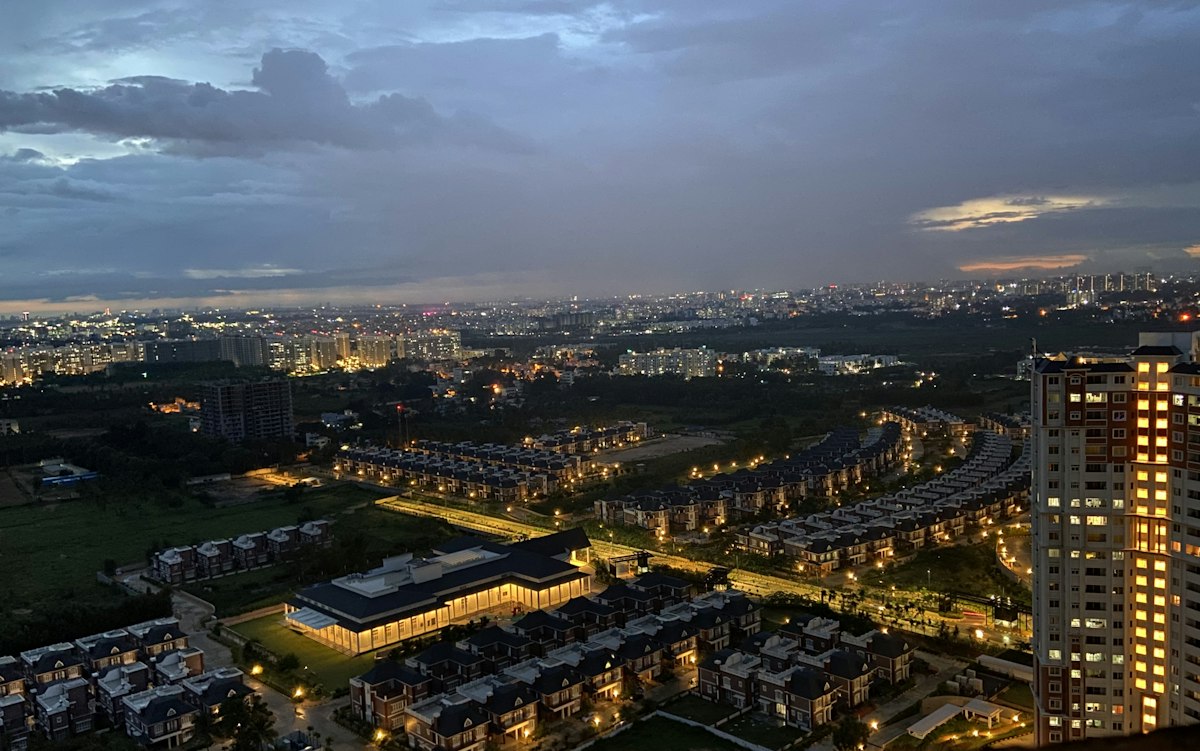
According to ancient scriptures, a fierce battle took place between the gods and the demon king Mahishasura, in which the gods were defeated. Distressed by Mahishasura's tyranny, the deities sought help from Lord Brahma, Vishnu, and Mahesh. The collective divine energy of the trinity manifested into a powerful Goddess. Equipped with celestial weapons from various gods, Maa Chandraghanta vanquished Mahishasura and his army, restoring peace to the cosmos.
'The Freelance' does not independently verify the claims of viral videos or social media posts mentioned herein. Video Courtesy: Respective Social Media Handles / Creators.


Culture & Spirituality Desk, The Freelance
Verified Editorial DeskCulture, Heritage & Philosophy Desk
Exploring Indian philosophy, heritage architecture, cultural festivals, and spiritual traditions with historical context and respect. We are committed to unbiased, factual journalism based on verified agencies, official statements, and on-the-ground correspondents.