
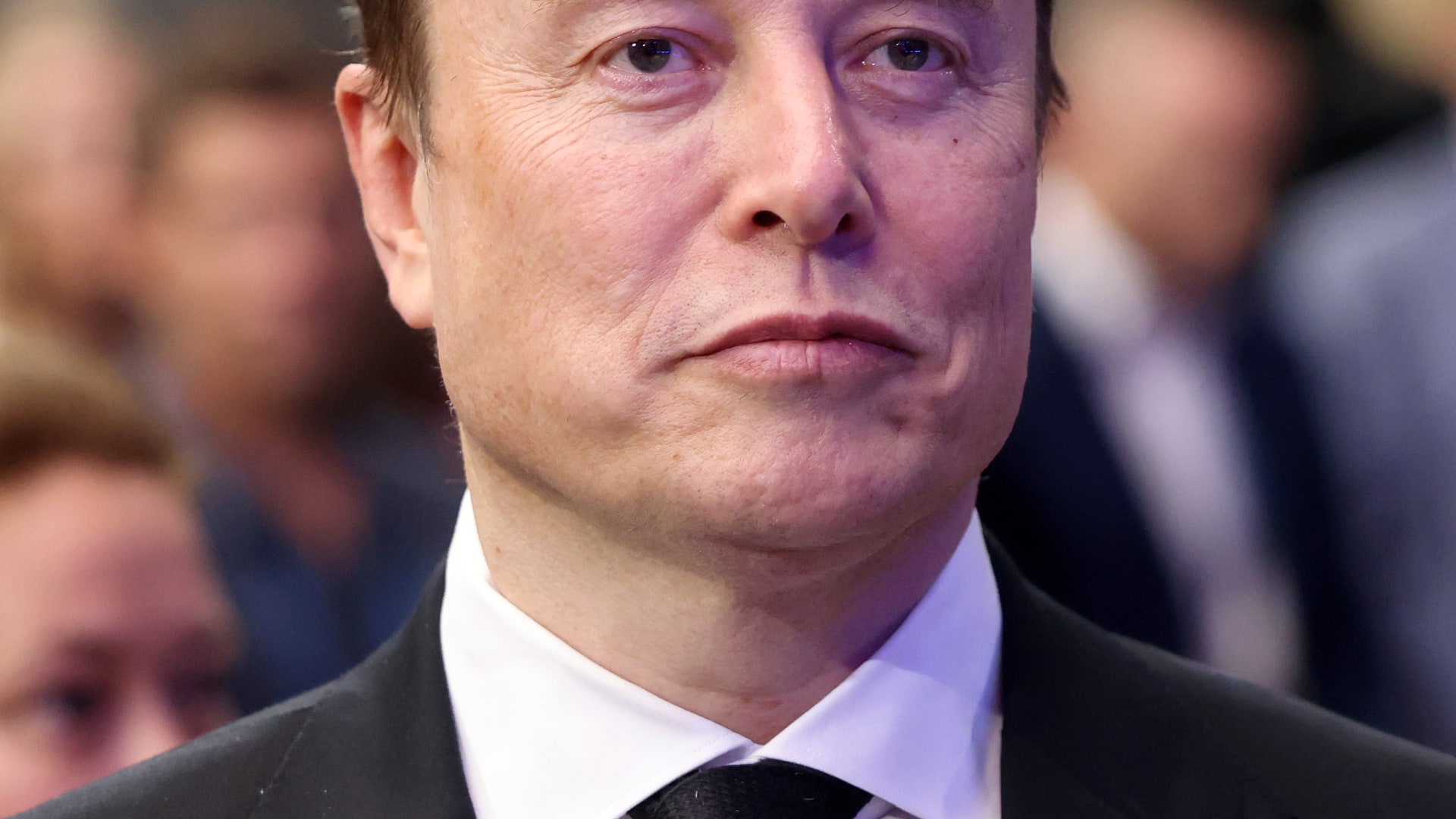
Tech billionaire Elon Musk's Starlink is not just launching an internet service; it is racing against time in a market where timing is everything. While Starlink awaits final commercial approvals to launch its services in India, Reliance Jio has unveiled a massive roadmap aiming for nearly 1,600 Low Earth Orbit (LEO) satellites and 23 ground stations.
Following delays in approvals, Musk previously lashed out at 'oligarchs' and subsequently posted a direct question on X, asking if Ambani is the real boss of India. This has sparked intense debates over whether regulatory delays are purely procedural or driven by corporate competition, and if Starlink fears losing its first-mover advantage to Jio.

Jio's Grand Satellite Vision
At the India Mobile Congress, Reliance Jio detailed its satellite internet vision on a massive scale. The company plans to deploy around 1,600 LEO satellites backed by 23 ground stations across the country. Jio aims to provide seamless connectivity across land and sea, targeting over 600,000 villages, remote islands, and border regions.
Jio's strategy goes beyond just beaming internet from space; it aims to integrate satellite connectivity seamlessly with its existing mobile and fiber networks. This hybrid approach is designed for enterprise, aviation, maritime, government, defense, and disaster-relief operations, alongside direct-to-device calling for rural areas.
Starlink's Preparation and the First-Mover Advantage
Starlink has been trying to enter the Indian market for nearly five years. It has already secured a GMPCS license and necessary approvals from IN-SPACe, setting up gateway sites and infrastructure across the country. However, commercial operations remain stalled.

In the satellite internet business, the first-mover advantage is critical. Early entrants secure early subscribers, build regulatory familiarity, and set benchmark pricing before competitors scale up. Starlink, with its global network, could have established a strong foothold before Jio's massive infrastructure fully rolled out, making the current delays a major point of friction for Musk.
Government Stance and Regulatory Process
While Musk's frustration is evident through his public remarks and regulatory criticism, the Indian government maintains that its satellite communication policies are fair and non-discriminatory. According to officials, Starlink, Jio Satcom, and other players are undergoing identical regulatory clearances and security checks before spectrum allocation proceeds.
'The Freelance' does not independently verify claims made in social media debates surrounding corporate disputes. This report summarizes publicly available industry developments. Credits: Respective media reports and public statements.






Tech & Auto Desk, The Freelance
Verified Editorial DeskTechnology, AI, Cybersecurity & Mobility Bureau
Providing objective product reviews, cybersecurity alerts, artificial intelligence breakthroughs, and automotive industry developments for smart consumers. We are committed to unbiased, factual journalism based on verified agencies, official statements, and on-the-ground correspondents.