
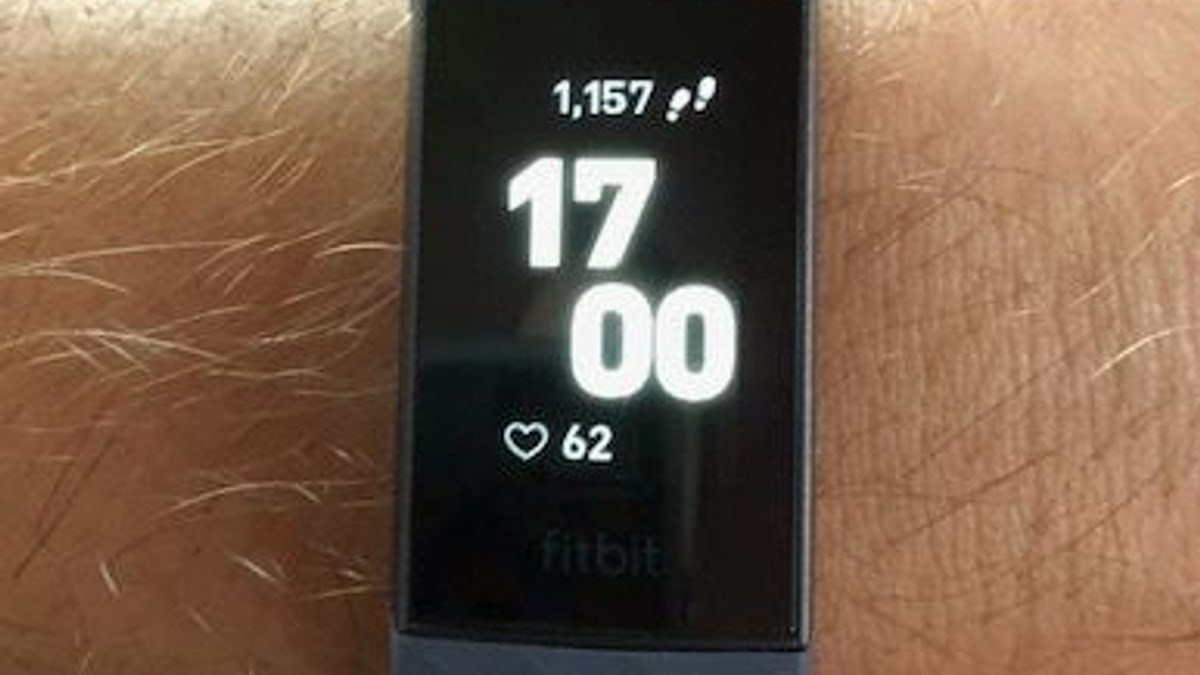
How Wrist-Worn Gadgets Are Monitoring Our Daily Health
In the modern era, technology has completely revolutionized our daily lives. Wristwatches, once used solely for telling time, have now transformed into smart health companions. Today, smartwatches and fitness bands are an integral part of our routines, tracking everything from our daily step count to our heart rate and calorie burn.
The popularity of these smart devices is continuously rising, especially among fitness enthusiasts who like to keep a close eye on their daily wellness metrics. While these gadgets are undeniably useful for monitoring workout intensity and overall physical activity, a critical question remains: can your smartwatch truly replace a doctor?
Understanding the Role of Fitness Wearables During Workouts
When it comes to physical exercise and cardiovascular workouts, smartwatches prove to be exceptionally helpful. Monitoring heart rate during intense physical activity helps individuals understand whether their workout is yielding proper results and alerts them if they are pushing their bodies too hard.
Fitness trackers also record workout duration, activity levels, and calorie expenditure, empowering users to stay on track with their fitness goals. However, all these metrics fall strictly under general wellness and fitness tracking. They should never be misconstrued as clinical diagnoses.
The Reality Behind the Smartwatch ECG Feature
In recent years, many advanced smartwatches have introduced cardiac features capable of recording basic ECGs and detecting irregular heart rhythms. Some devices can even issue alerts for potential atrial fibrillation, leading many users to believe their watch functions like a medical device.
However, cardiologists emphasize that smartwatch ECGs serve only as preliminary indicators. They cannot match the accuracy of a standard clinical 12-lead ECG machine used in hospitals. External factors, such as hand movement or skin contact, can easily cause inaccurate readings.
Can Smartwatches Really Replace Professional Medical Care?
This is the most crucial question for everyday tech users. While tech companies often market these health features as personal pocket doctors, the reality is quite different. Medical experts unanimously agree that smartwatches can never substitute professional medical expertise.
If an individual experiences severe symptoms like chest pain, shortness of breath, or dizziness, relying solely on a smartwatch is dangerous. Immediate consultation with a qualified cardiologist is always necessary for accurate medical evaluation.
"Smartwatches and fitness wearables help us stay active and conscious of our lifestyle, but they should never be treated as a substitute for clinical diagnosis. Always consult a physician for heart-related concerns." — Dr. Alok Sharma, Senior Cardiologist
Using Technology Wisely for Better Health
Ultimately, smartwatches are fantastic tools that encourage discipline and wellness. They remind us to move, hydrate, and maintain sleep schedules. However, when it comes to serious medical conditions, technology should only be viewed as a supportive aid rather than a definitive answer.


