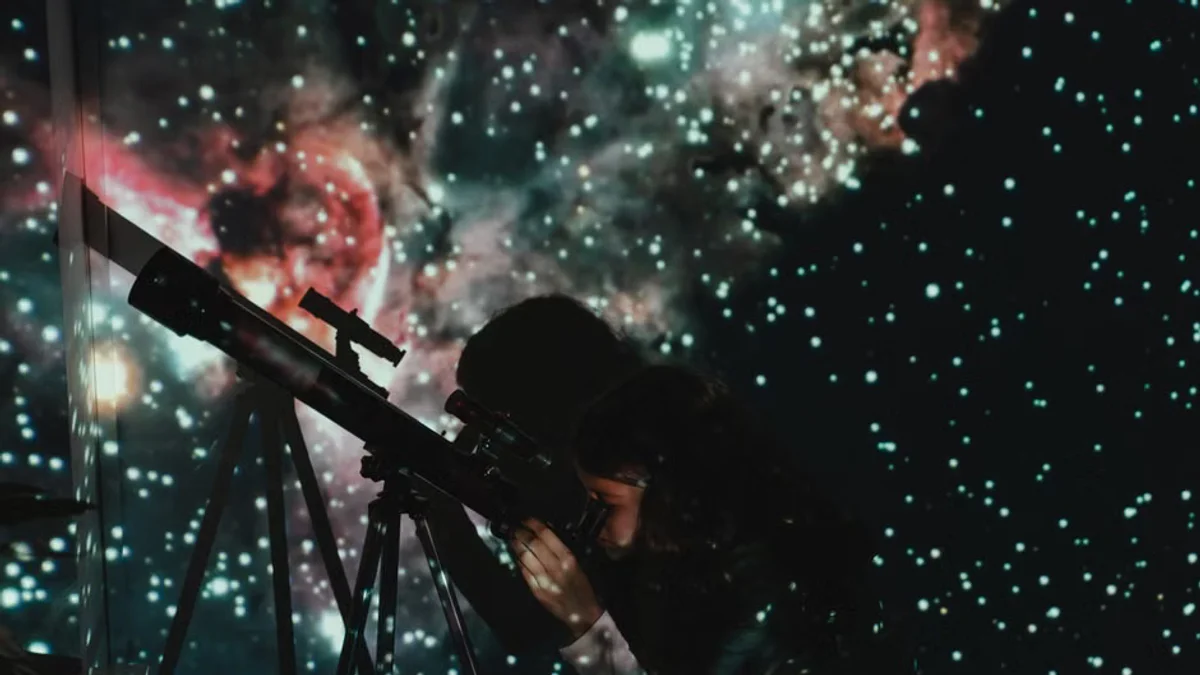
LONDON — A team of astrophysicists based in the United Kingdom has announced a major breakthrough in stellar physics, publishing data that redefines how scientists categorize complex light emissions from distant star systems. The research, spearheaded by prominent British academic institutions, offers new methodologies for analyzing stellar spectra and understanding the lifecycle of aging stars.
Using data collected from state-of-the-art ground observatories and orbiting space telescopes, the research team successfully mapped how elemental compositions within stellar atmospheres alter visible light output. This precision mapping allows astronomers to peer deeper into stellar nurseries and dying star remnants than ever before.
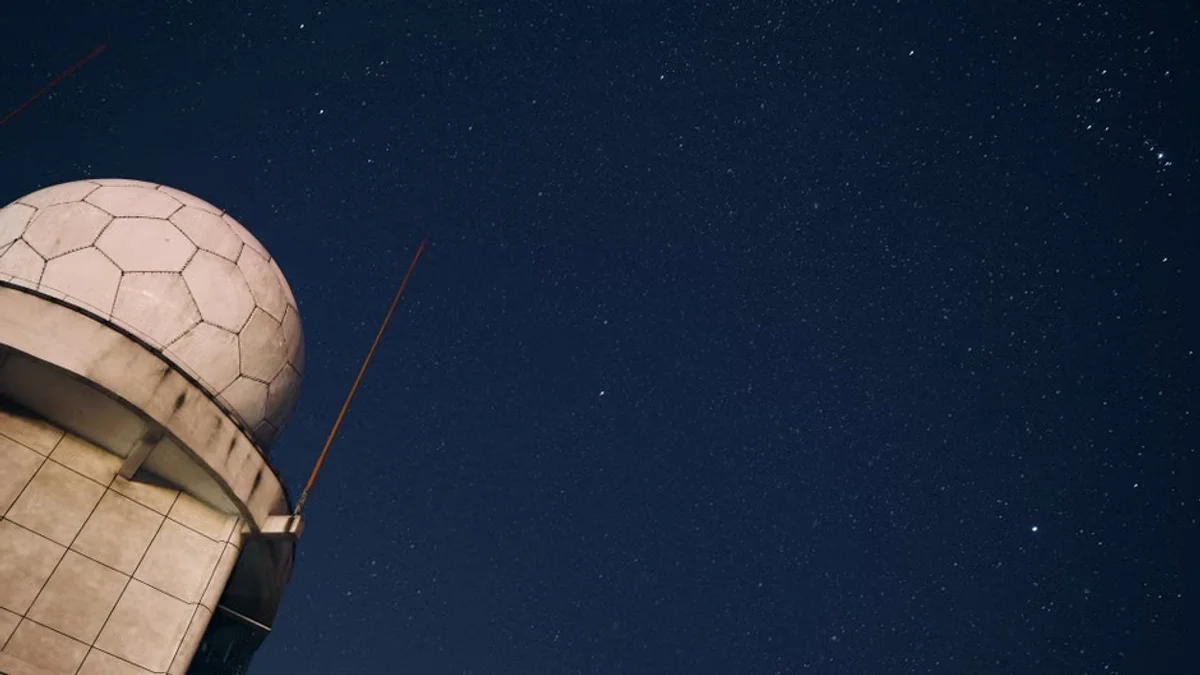
The findings have received widespread acclaim within the international scientific community, with many experts predicting that the new analytical frameworks will accelerate discoveries in exoplanet atmospheric detection. By refining how we read starlight, researchers can more accurately identify habitable zones and chemical signatures on distant worlds.
As funding for space science continues to expand across Europe, British researchers remain at the forefront of astrophysical innovation, cementing the UK's legacy of pioneering contributions to space exploration.
Key Highlights
- UK astrophysicists publish groundbreaking research on stellar light spectra.
- New analytical models improve precision in mapping distant star systems.
- Findings promise to aid in the search for habitable exoplanets.

This stellar breakthrough highlights the enduring importance of foundational physics in unlocking the deepest mysteries of the universe.