
In a landmark decision that affects every digital system on planet Earth, international timekeepers and metrologists have fundamentally overhauled the way Coordinated Universal Time (UTC) is adjusted. The move is designed to avert an unprecedented computational crisis: the introduction of a 'negative leap second.'
For decades, Earth's irregular rotation has periodically required the addition of leap seconds to keep our atomic clocks synchronized with astronomical time. However, recent scientific observations indicate that the Earth’s rotational speed has subtly accelerated, raising the alarming prospect of needing to subtract a second—a negative leap second—for the first time in history.
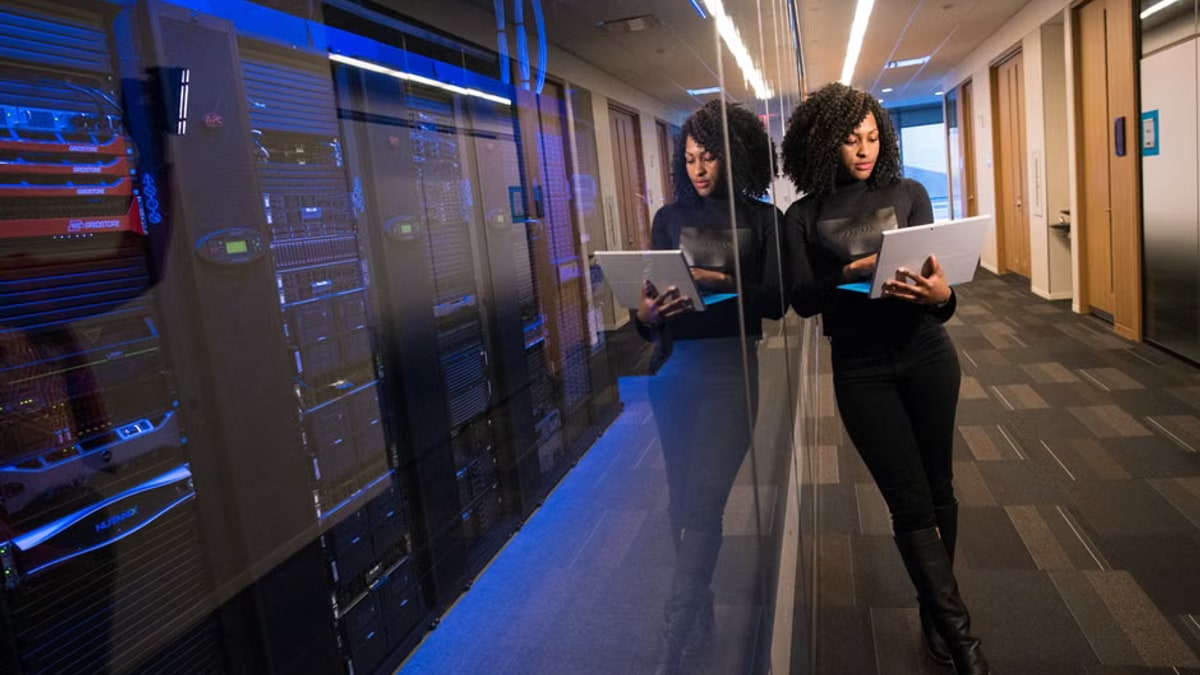
Computer scientists and systems engineers have long warned that a negative second could unleash catastrophic software glitches across global financial markets, telecommunications networks, and cloud infrastructure. Because digital systems are built under the assumption that time moves strictly forward in one-second increments, a forced deletion of time threatens to crash synchronized servers worldwide.
Responding to these existential digital threats, the General Conference on Weights and Measures voted to suspend the implementation of negative leap seconds through at least the middle of the century, allowing atomic time and astronomical time to drift apart by small margins before contemplating alternative correction mechanisms.
'This agreement represents a triumph of pragmatic engineering over rigid astronomical tradition,' said Dr. Elena Rostova, a leading metrology researcher. 'We are safeguarding the digital foundation of modern civilization.'
Key Highlights

- International timekeepers overhaul UTC adjustment protocols.
- The decision prevents a dangerous 'negative leap second' from crashing global servers.
- Earth's shifting rotational speed necessitated a urgent rethink of global timekeeping.
- Digital infrastructure and financial networks are shielded from synchronized time glitches.
As society grows increasingly reliant on automated, high-frequency digital systems, this historic revision ensures that global infrastructure remains stable and secure against unforeseen temporal anomalies.