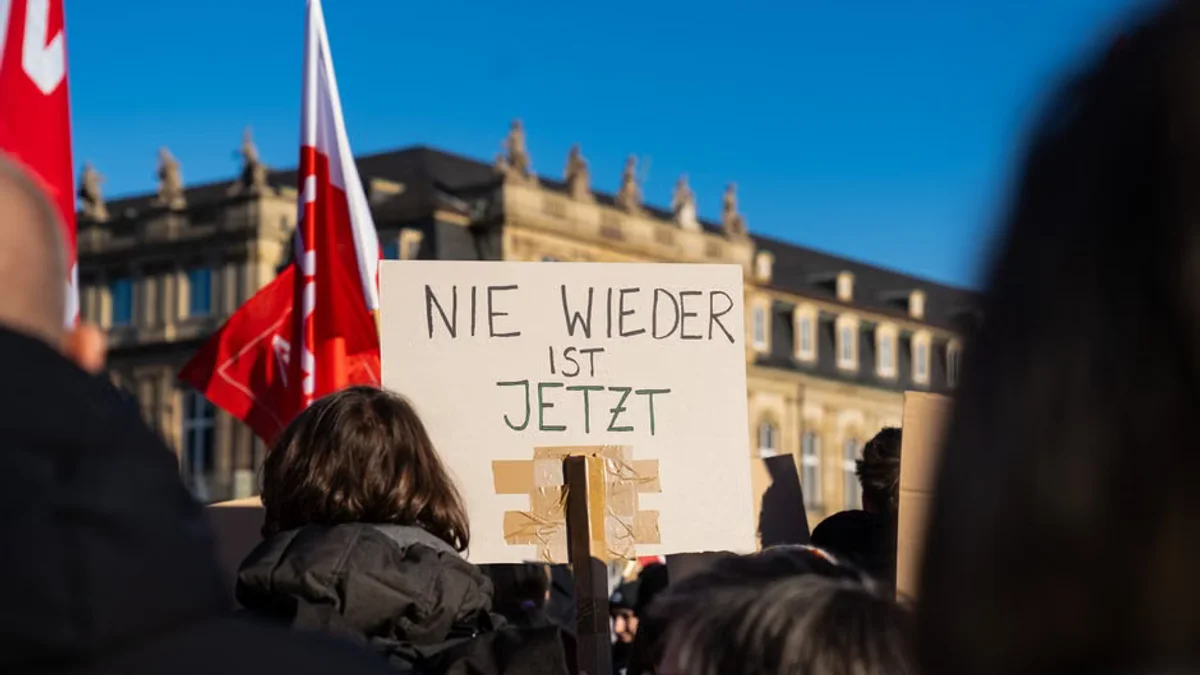
Political turmoil in Tirana escalated as Albania’s Prime Minister publicly dismissed intense opposition demands for his resignation, holding firm against a wave of nationwide student-led demonstrations. Thousands of students and civic activists have taken to the streets in recent days, demanding urgent economic reforms, educational investments, and robust anti-corruption measures.
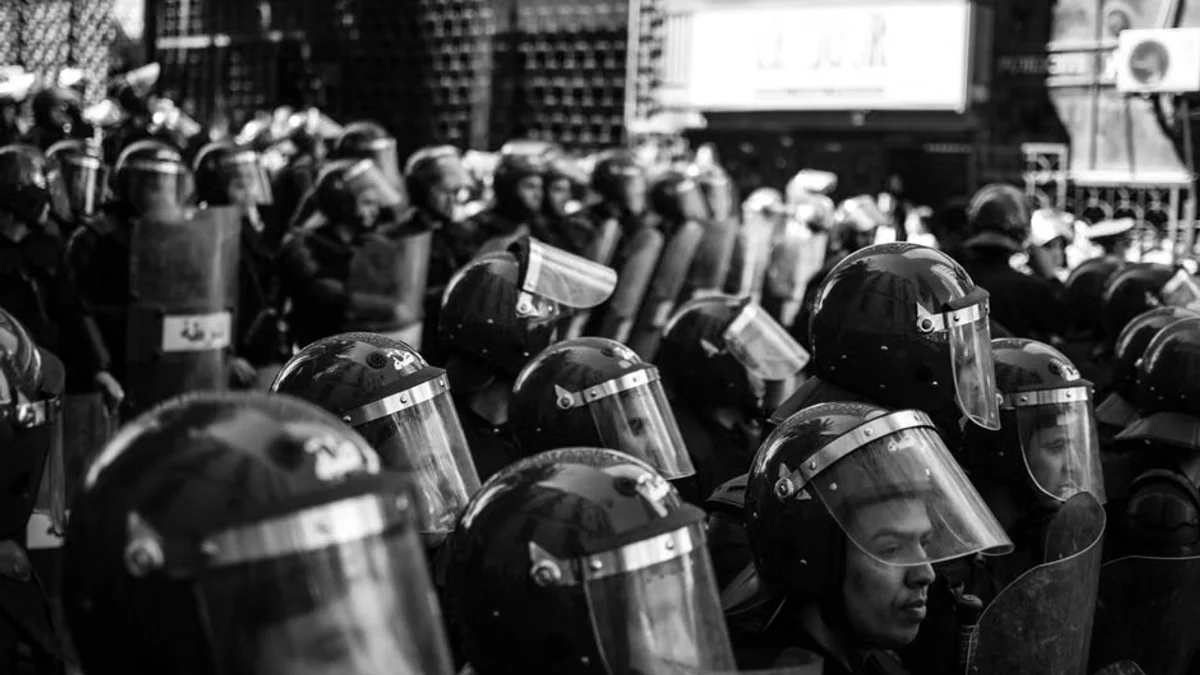
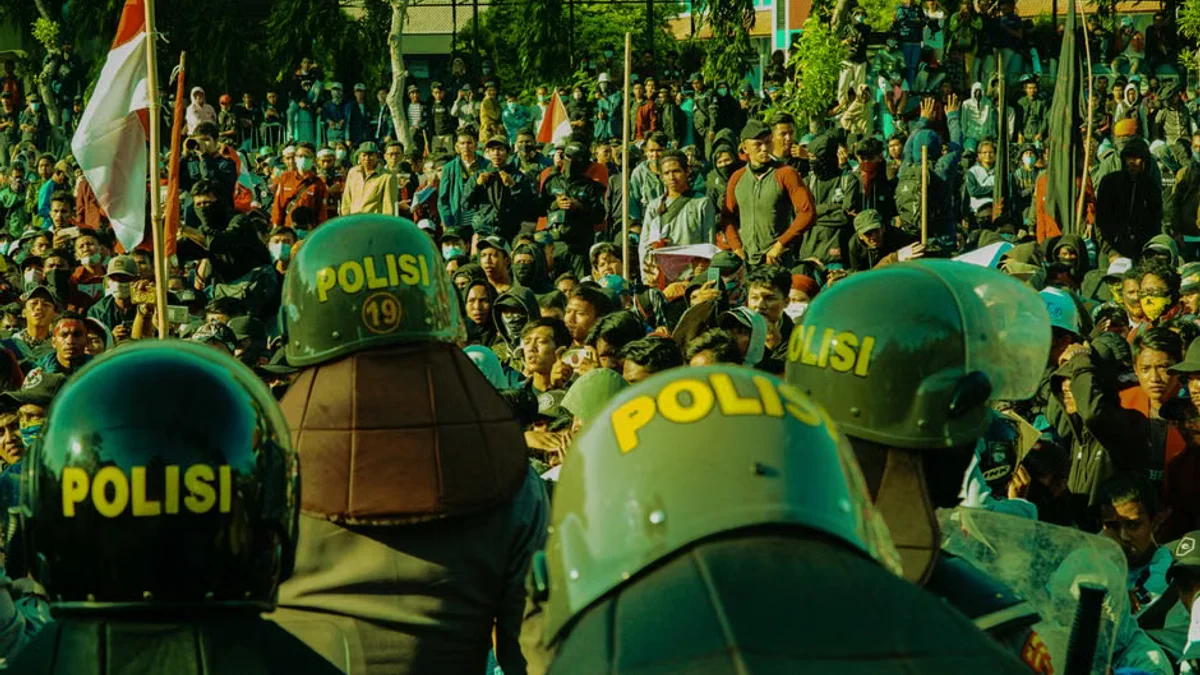
The protests, which originated on university campuses, have rapidly broadened into a general grievance platform against rising living costs, brain drain, and perceived governance stagnation. Demonstrators blocked key intersections in the capital, chanting slogans and calling for a complete overhaul of current administrative policies.
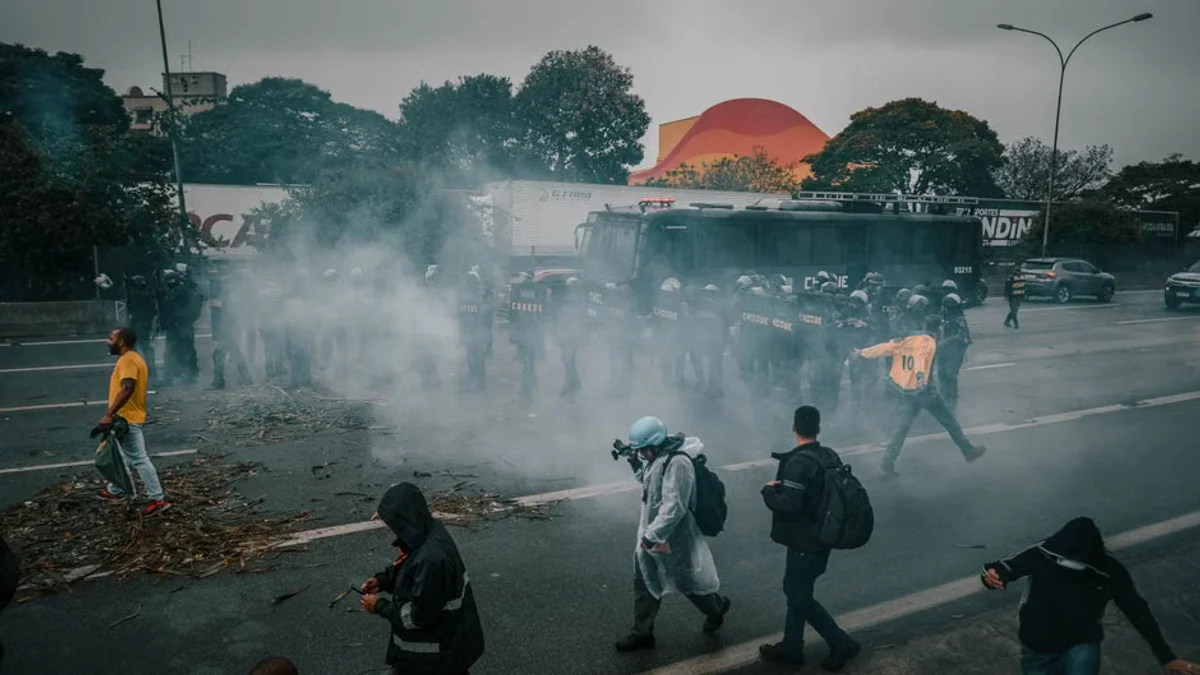
Addressing the nation in a televised press conference, the Prime Minister defended his administration’s economic track record while acknowledging the legitimacy of youth grievances. However, he categorically ruled out stepping down, asserting that stability and ongoing EU integration reforms must take precedence over political disruption.
'We are committed to dialogue and addressing practical reforms, but capitulating to unconstitutional demands will only derail our national progress,' the Prime Minister declared.
Opposition leaders have seized upon the unrest, accusing the government of being out of touch with ordinary citizens and calling for snap elections. Meanwhile, international monitors are closely observing the situation, urging restraint from both protesters and law enforcement agencies to maintain public order.
Key Highlights
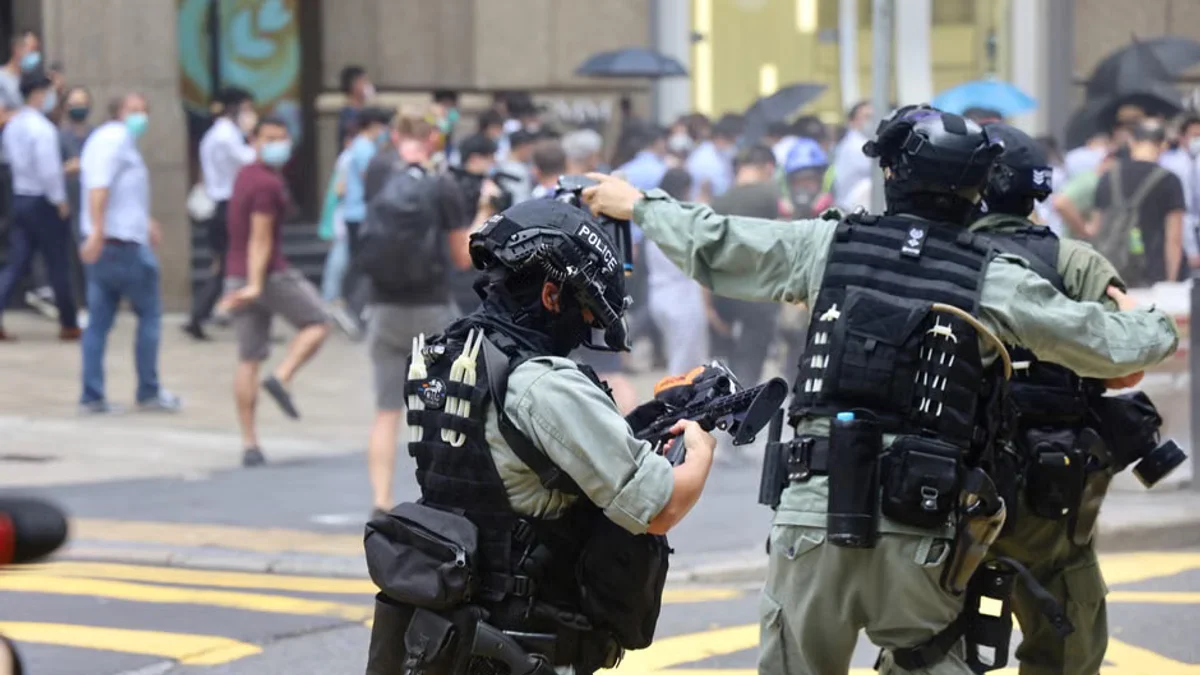
- Albania's Prime Minister rejects opposition and student calls to resign.
- Nationwide demonstrations led by students demand economic reforms and anti-corruption measures.
- Tensions rise in Tirana with blocked roads and vocal public gatherings.
- Government vows institutional dialogue while maintaining commitment to EU integration.
As demonstrations persist, the administration faces a delicate balancing act of quelling civil unrest through policy concessions without appearing weak in the face of sustained political pressure.