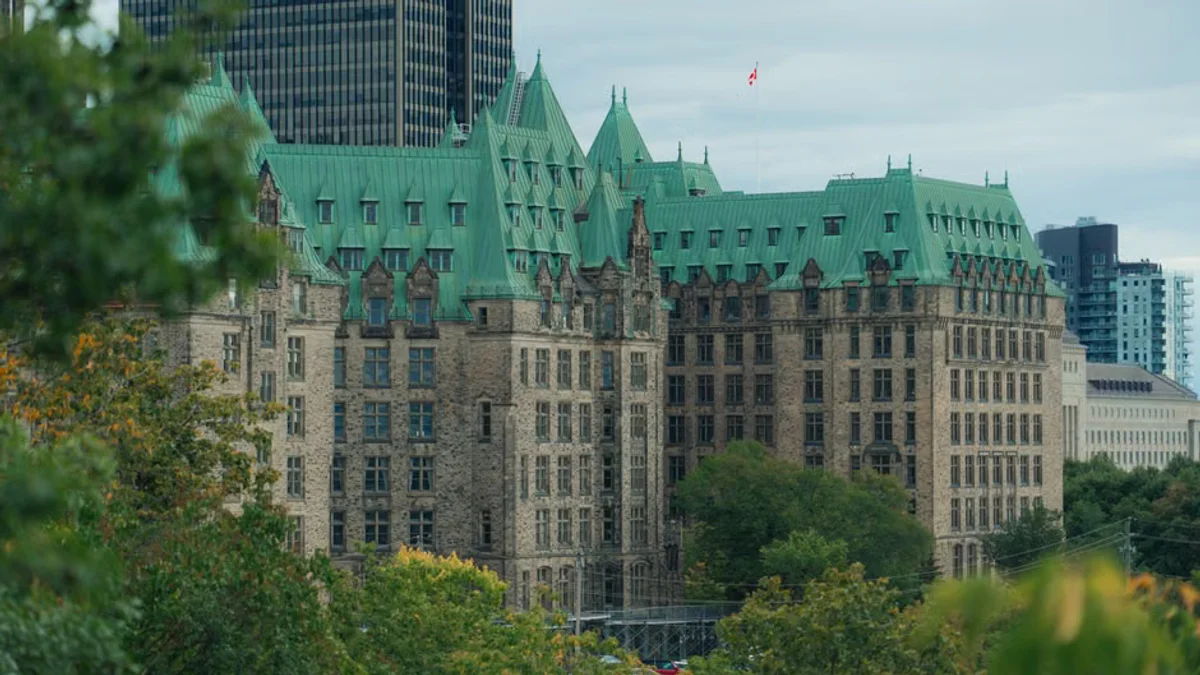
Political and economic stability across Canada faces a pivotal test as the Alberta provincial government aggressively weighs a landmark referendum concerning regional autonomy, federal transfer payments, and the management of critical natural resources. The escalating standoff highlights deeply ingrained regional divisions over national energy policy, environmental regulations, and fiscal federalism.
Proponents of the referendum argue that sweeping federal climate mandates disproportionately penalize Western Canadian industries, stifling energy investment and job creation. Conversely, federal officials in Ottawa maintain that national environmental standards and emissions caps are legally sound, vital for international climate commitments, and essential for cohesive national unity.

'This potential referendum represents a profound constitutional crossroads for Canadian federalism,' noted constitutional expert Professor Claire Fontaine. 'The outcome, should it proceed, could permanently alter the fiscal and legal relationship between provinces and the federal government.'
Business leaders and energy executives have expressed cautious concern over the prolonged uncertainty. Capital markets demand regulatory predictability, and protracted constitutional friction risks deterring foreign direct investment in Canada’s lucrative oil and gas sectors. Chambers of commerce across Western Canada are urging both levels of government to return to constructive bilateral negotiations rather than escalating legal and political brinkmanship.
Key Highlights
- Alberta evaluates high-stakes provincial referendum amid federal-provincial energy policy clashes.
- Debate centers on fiscal federalism, carbon regulations, and constitutional resource rights.
- Business and energy sectors warn that prolonged uncertainty threatens capital investment.

As the political rhetoric intensifies, the eyes of the nation remain firmly fixed on Edmonton and Ottawa as they navigate this delicate constitutional precipice.