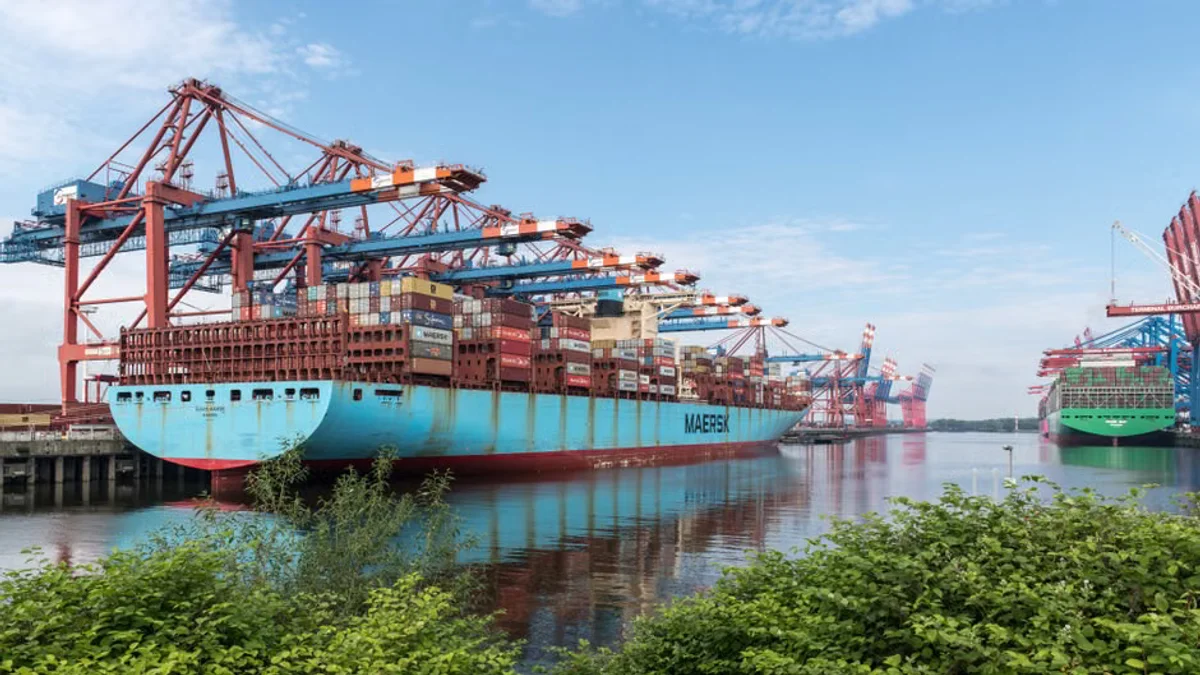
Global maritime trade and international diplomacy faced a severe shock on Tuesday following reports that two commercial cargo ships have sunk near the Strait of Hormuz. According to intelligence briefings and shipping authorities cited by the Wall Street Journal, the vessels were struck during a sharp escalation of attacks attributed to Iranian forces in the vital waterway, through which a significant percentage of the world's petroleum passes.
The incident has triggered immediate emergency responses from international naval coalitions operating in the region. Search and rescue operations successfully evacuated surviving crew members, though structural damage and environmental concerns regarding potential fuel spills remain high. Defense analysts warn that the intensification of hostilities in the Persian Gulf threatens to choke vital global supply chains, drive up oil futures, and prompt immediate retaliatory measures from Western powers.

Shipping conglomerates have begun issuing urgent advisories to commercial fleets navigating the Middle East, with many considering costly alternative routes around the Cape of Good Hope. Insurance premiums for vessels entering the Arabian Gulf have skyrocketed, placing an immense financial burden on international commerce.
Governments across the United States, the European Union, and the United Kingdom are holding emergency security consultations to formulate a coordinated diplomatic and military response. The crisis underscores the fragility of geopolitical stability in the Middle East and its immediate, direct impact on the global economy.
Key Highlights
- Two commercial cargo ships sink near the Strait of Hormuz amid escalating attacks.
- Incident threatens critical global petroleum transit routes and international shipping.
- Western governments convene emergency talks as maritime security premiums soar.
As tensions continue to mount, international leaders face the delicate challenge of deterring further aggression while preventing a full-scale regional conflict that could destabilize global markets.