The United States Department of Justice has intensified its legal initiatives concerning civil and criminal denaturalization, signaling a rigorous enforcement posture regarding immigration integrity and national security. Federal prosecutors across multiple districts have been allocated specialized resources to investigate and litigate cases where naturalized citizens allegedly obtained their status through willful misrepresentation, fraud, or concealment of material facts.
Legal experts and immigration advocacy groups have engaged in intense debate regarding the scope and procedural safeguards surrounding these actions. While administration officials maintain that robust enforcement is essential to protect the integrity of legal immigration pathways and national borders, civil liberties organizations express concern over potential overreach and the long-term security of citizenship rights for millions of naturalized Americans.
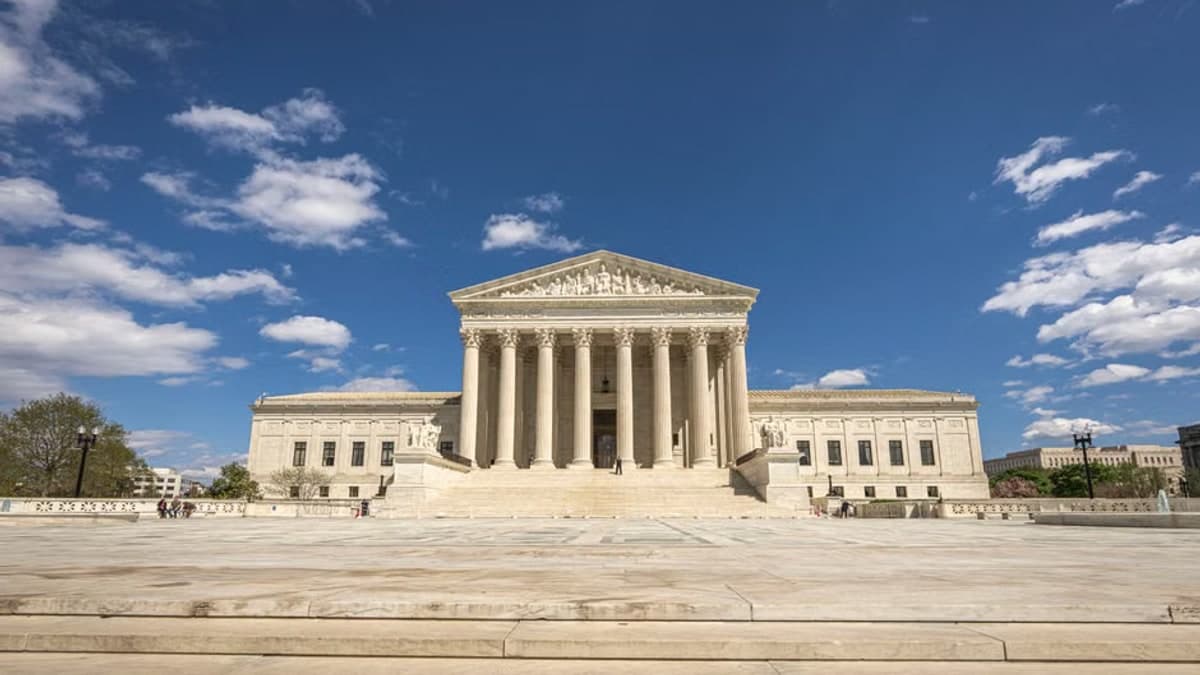
Federal courts are slated to hear several landmark challenges in the coming months, which could establish vital precedents regarding the burden of proof required in denaturalization proceedings and the statute of limitations applicable to such complex historical cases.
Key Highlights
- DOJ increases resources for investigating immigration and naturalization fraud.
- Legal scholars debate the constitutional boundaries of citizenship revocation.
- Upcoming federal court rulings expected to set significant national precedents.
As these high-stakes legal battles unfold, they underscore the ongoing tension between national security imperatives and individual constitutional protections within the American legal framework.