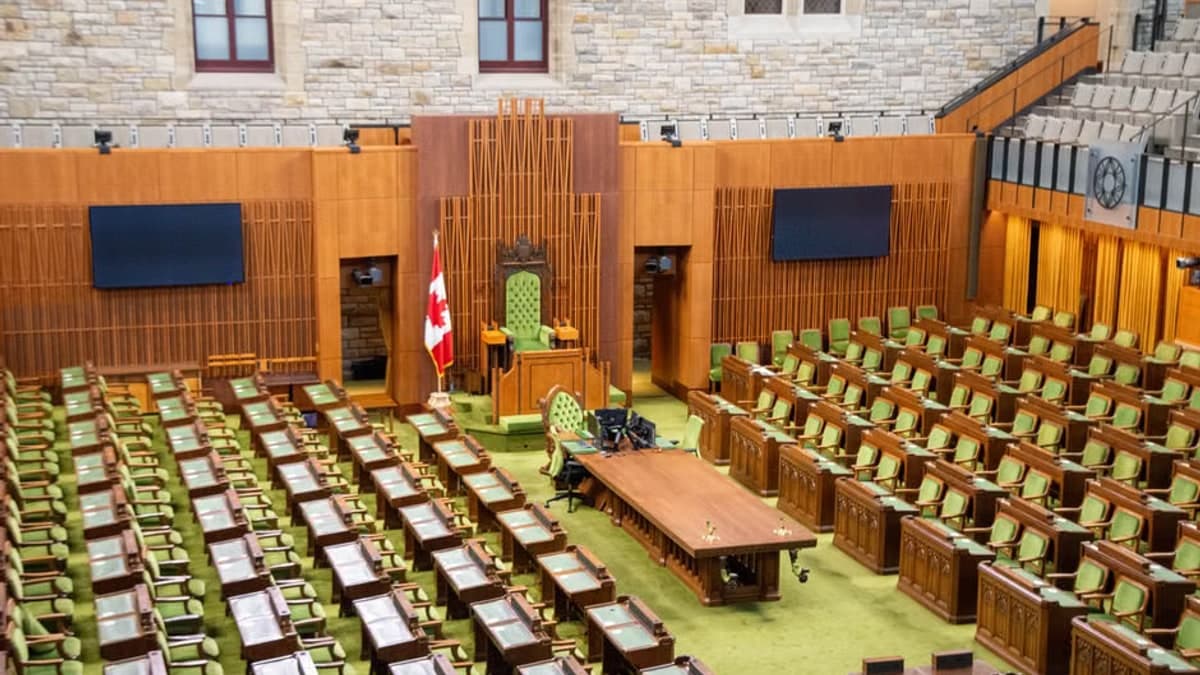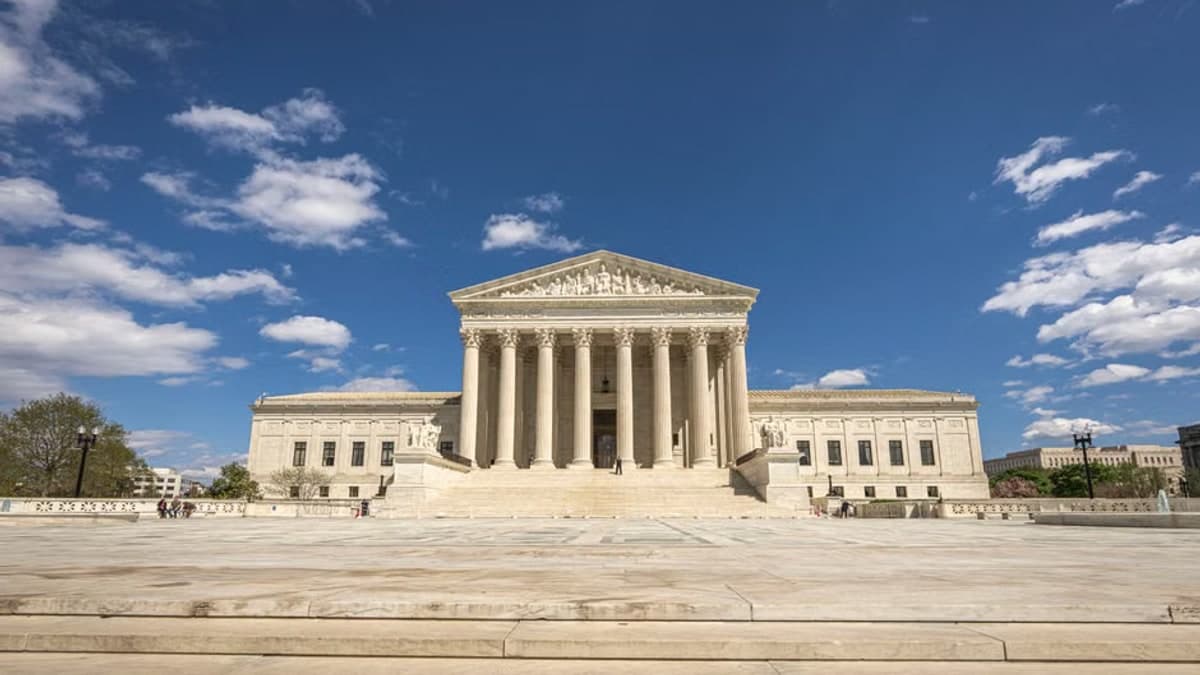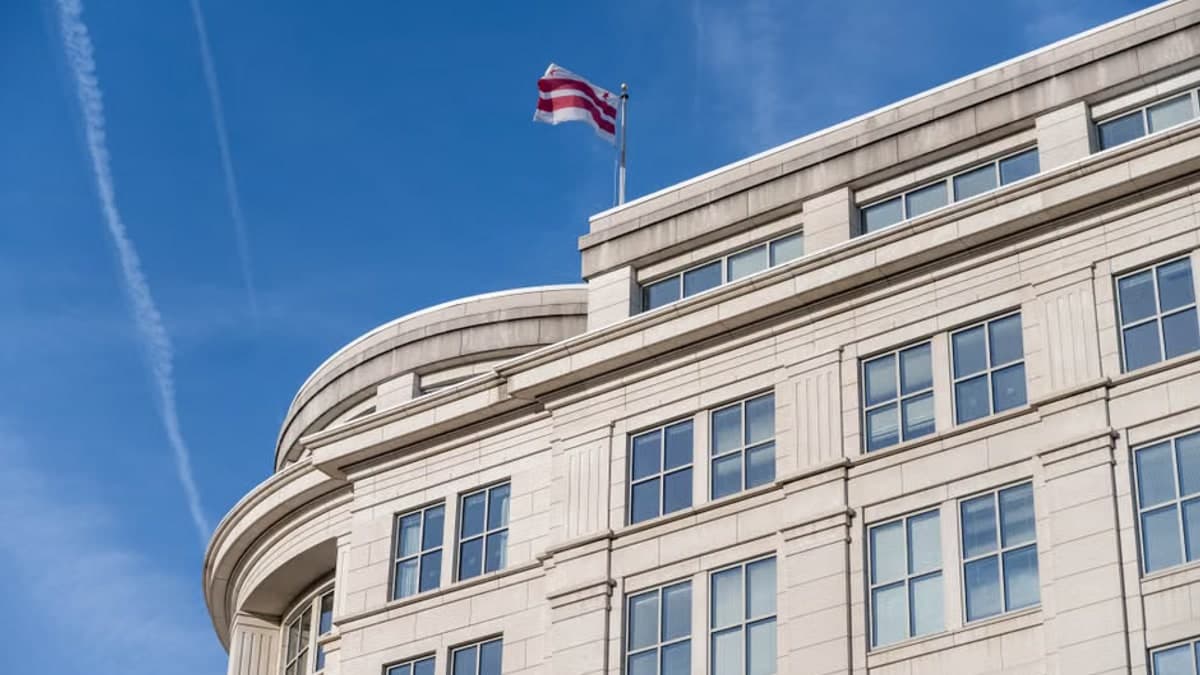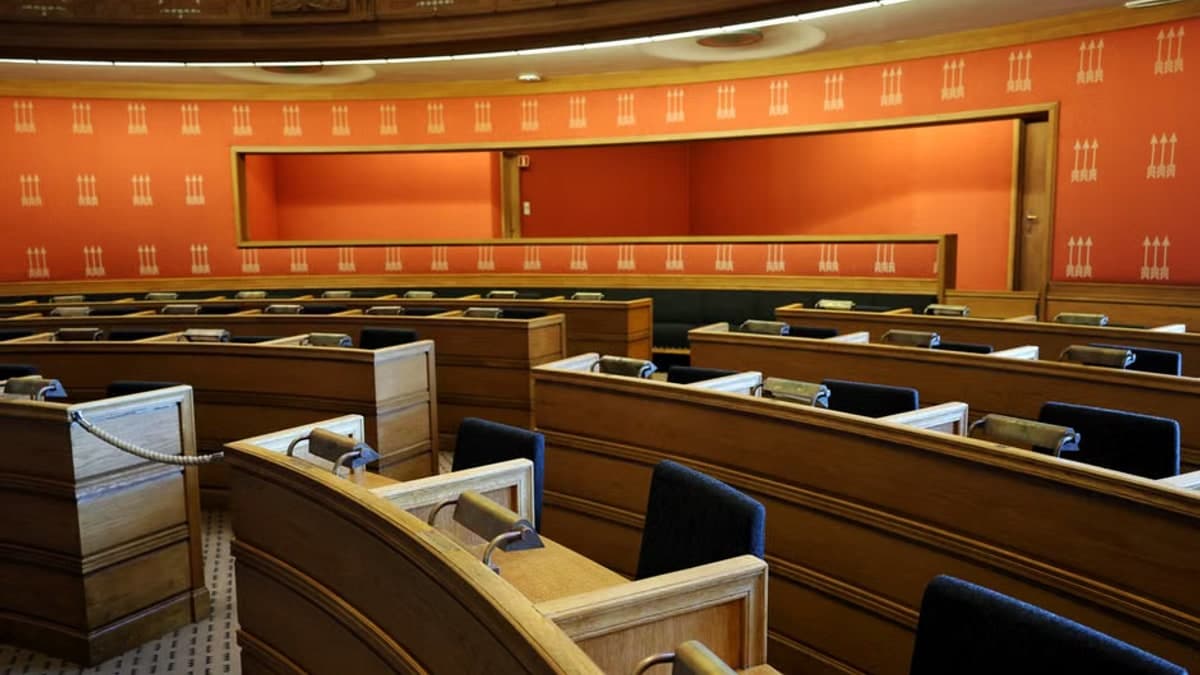
The latest electoral cycle in Quebec has concluded with significant shifts in political dynamics, capturing intense national and international attention. Voters turned out in substantial numbers to voice their concerns on economic management, healthcare reform, cultural preservation, and environmental policy. The results signal a profound recalibration of voter allegiance across urban and rural ridings alike.
Political analysts and commentators have spent the hours following the announcement dissecting the granular data to understand the factors driving the electorate's choices. Key party leaders addressed supporters late into the evening, acknowledging both historic victories and sobering defeats. The outcomes are expected to heavily influence federal-provincial relations, particularly regarding fiscal transfers, linguistic legislation, and regional infrastructure investments.
Civil society organizations and economic stakeholders are already weighing in on the implications of the new legislative makeup. Business associations have called for immediate collaboration between the newly elected officials and industry leaders to address labor shortages and inflationary pressures affecting the province.
Key Highlights
- Quebec election results reshape the provincial political landscape.
- Voter turnout reflected deep engagement on healthcare and economic issues.
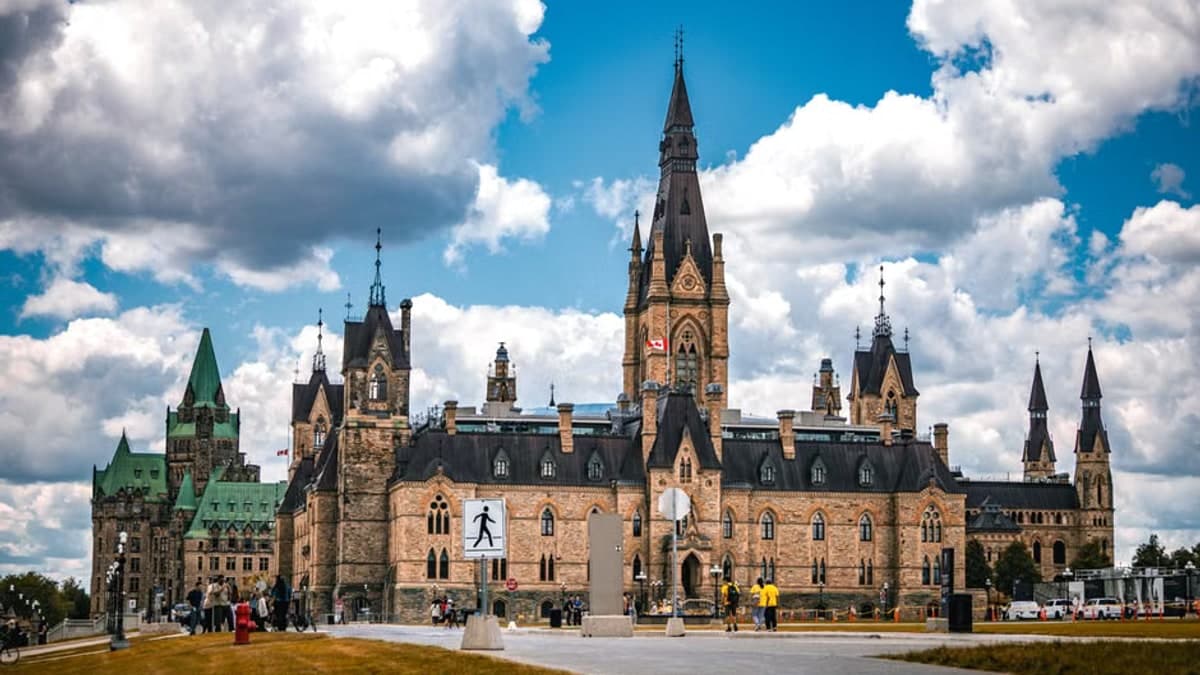
- Federal leaders in Ottawa are monitoring the shifting political dynamics closely.
As the dust settles on a fiercely contested campaign, the focus now pivots toward government formation and the immediate legislative agenda. The upcoming parliamentary sessions promise rigorous debate as parties negotiate priorities in an increasingly complex socio-economic environment.