A renewed federal debate over the legal mechanisms and constitutional limits surrounding the revocation of US citizenship has drawn intense scrutiny from immigration lawyers, constitutional scholars, and civil liberties organizations. Policymakers are closely examining historical precedents, federal statutes, and judicial rulings that govern when and how naturalized citizenship can be legally contested or rescinded.
While federal law permits denaturalization under specific, narrow circumstances—such as cases involving material fraud during the naturalization process or connection to terrorist activities—recent policy discussions have sparked broader debates regarding due process, equal protection, and the fundamental stability of legal status in the United States.
Key Highlights
- Focus centers on statutory parameters for denaturalization proceedings.
- Civil rights groups raise concerns regarding due process protections.
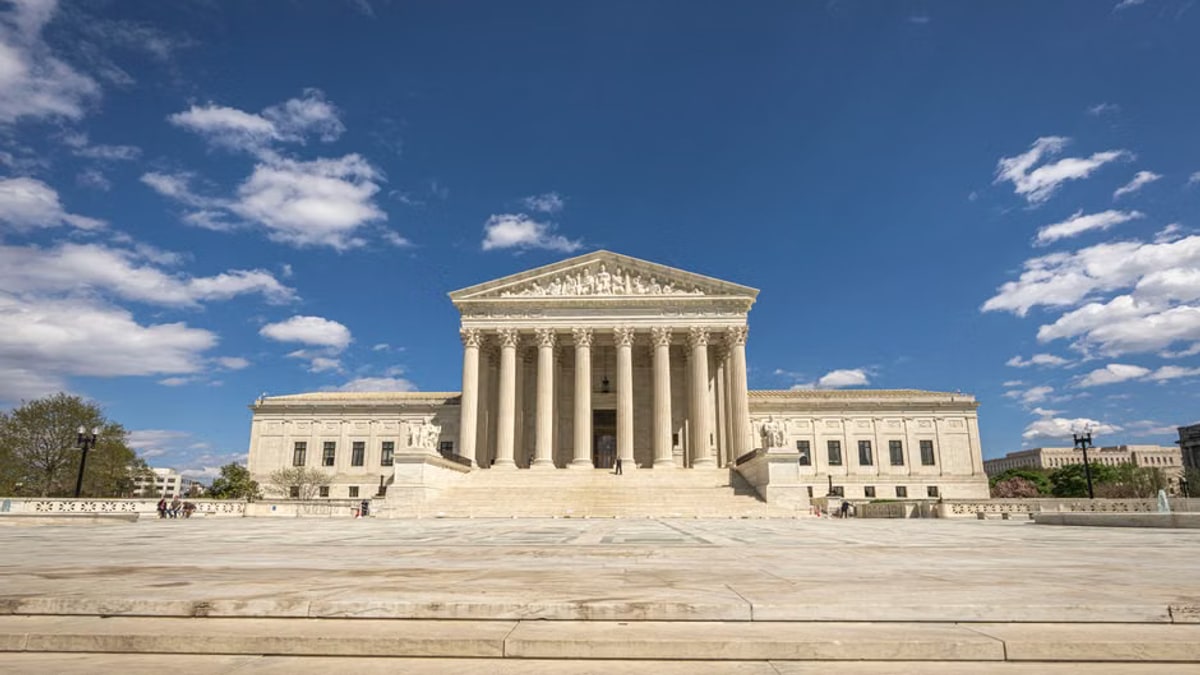
- Legal analysts point to stringent constitutional hurdles established by Supreme Court precedents.
As this complex legal debate unfolds across federal agencies and academic institutions, the outcome holds significant implications for immigration policy and the fundamental nature of national allegiance under US law.