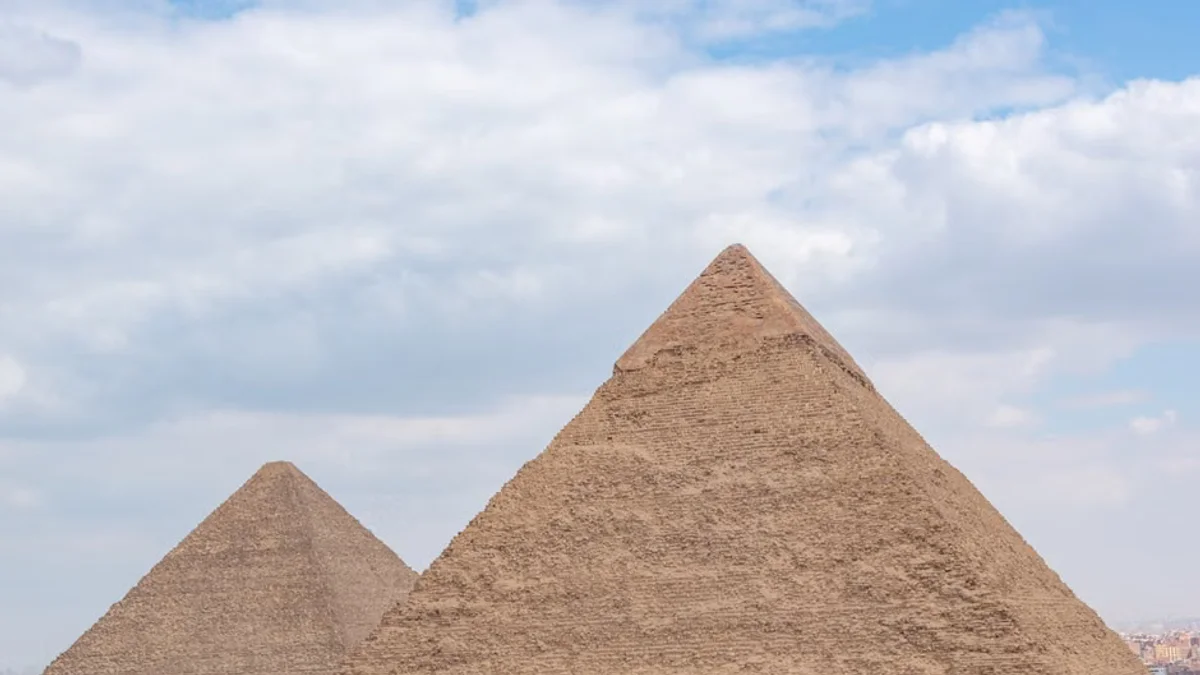
In an extraordinary convergence of everyday rural labor and ancient history, an Egyptian farmer tilling his land stumbled upon what appeared to be an unusual stone protruding from the soil. Reporting the anomaly to local antiquities authorities triggered a rapid archaeological excavation that ultimately unearthed a remarkable collection of statue fragments dedicated to an ancient Egyptian king.
Ministry of Tourism and Antiquities officials confirmed that the artifacts include intricately carved limestone and granite pieces bearing royal insignia and hieroglyphic inscriptions dating back centuries. Archaeologists working at the site believe the find offers valuable insight into regional governance, artistic craftsmanship, and religious practices during the dynastic era.

The discovery highlights the rich, enduring subterranean heritage hidden across the Nile Valley, where agricultural activities frequently intersect with archaeological treasures. Plans are underway to safely transport the recovered fragments to a regional conservation laboratory for restoration and eventual public exhibition.
Key Highlights
- Egyptian farmer uncovers unusual stone while working agricultural land.
- Subsequent excavation reveals fragments of statues tied to an ancient king.
- Antiquities ministry confirms high historical value and plans restoration.

This remarkable find once again underscores how much of Egypt's monumental history remains buried beneath fertile topsoil, waiting to be brought to light.