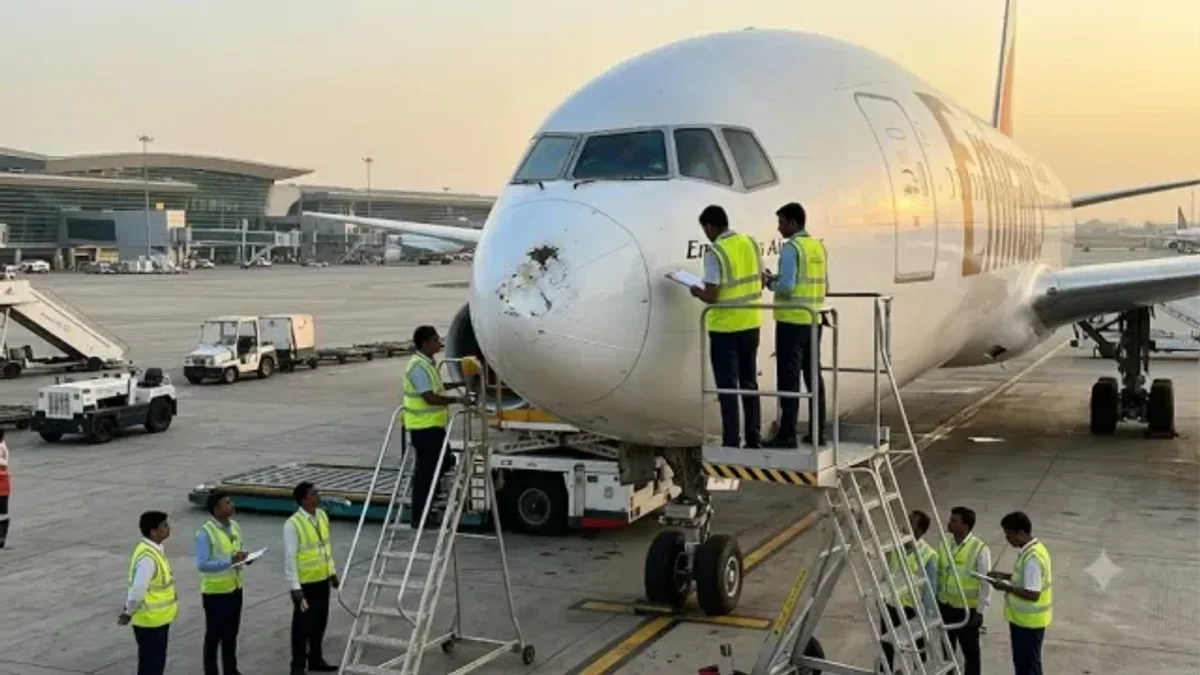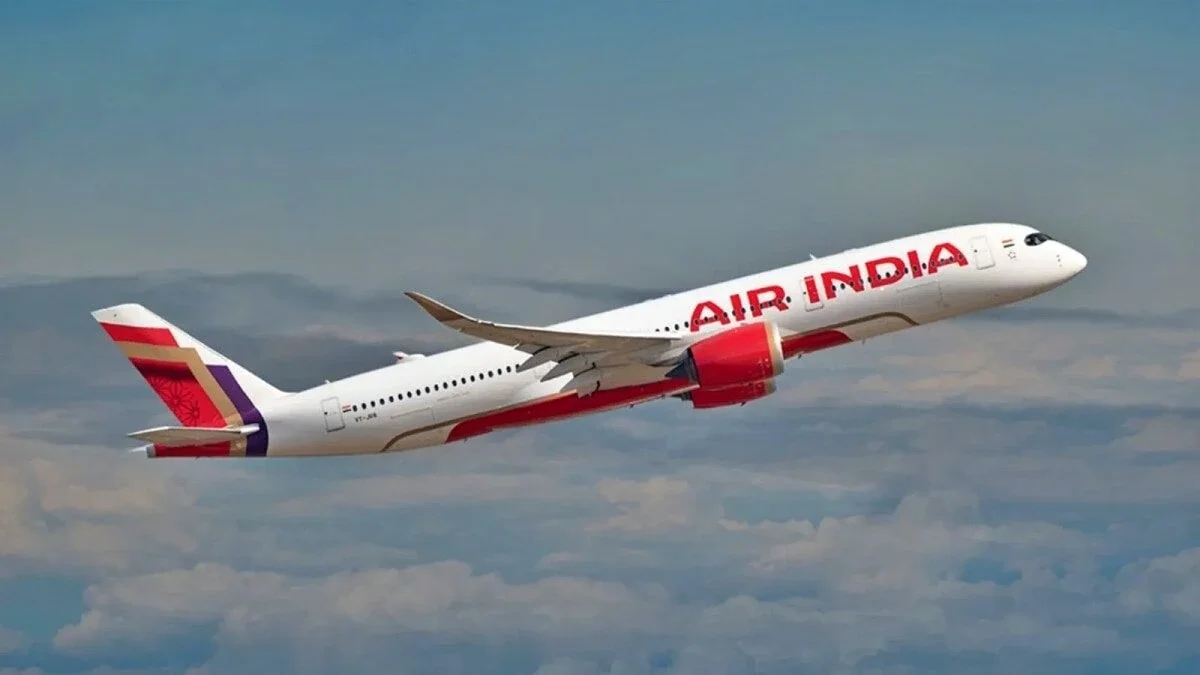
Escalating Middle East Tensions Disrupt Air Travel

The geopolitical scenario in West Asia has taken a sensitive turn once again. Continuous drone and missile threats from Houthi rebels targeting strategic locations in the region have severely impacted international civil aviation. In response to the mounting security risks, leading commercial airlines have temporarily halted their flight operations to key destinations in Saudi Arabia.
Security agencies and regional embassies have issued strict advisories, urging citizens to exercise maximum caution. With airspace restrictions and safety concerns remaining high, major carriers have chosen to ground flights rather than risk passenger and crew safety.
Air India and Indigo Extend Flight Suspension Until October 24
Major carriers including Air India, Air India Express, and Indigo have formally announced the suspension of all scheduled flights to and from major Saudi cities—including Riyadh, Jeddah, and Dammam—through October 24. The extension comes as security assessments indicate ongoing instability and potential threat vectors in the region.
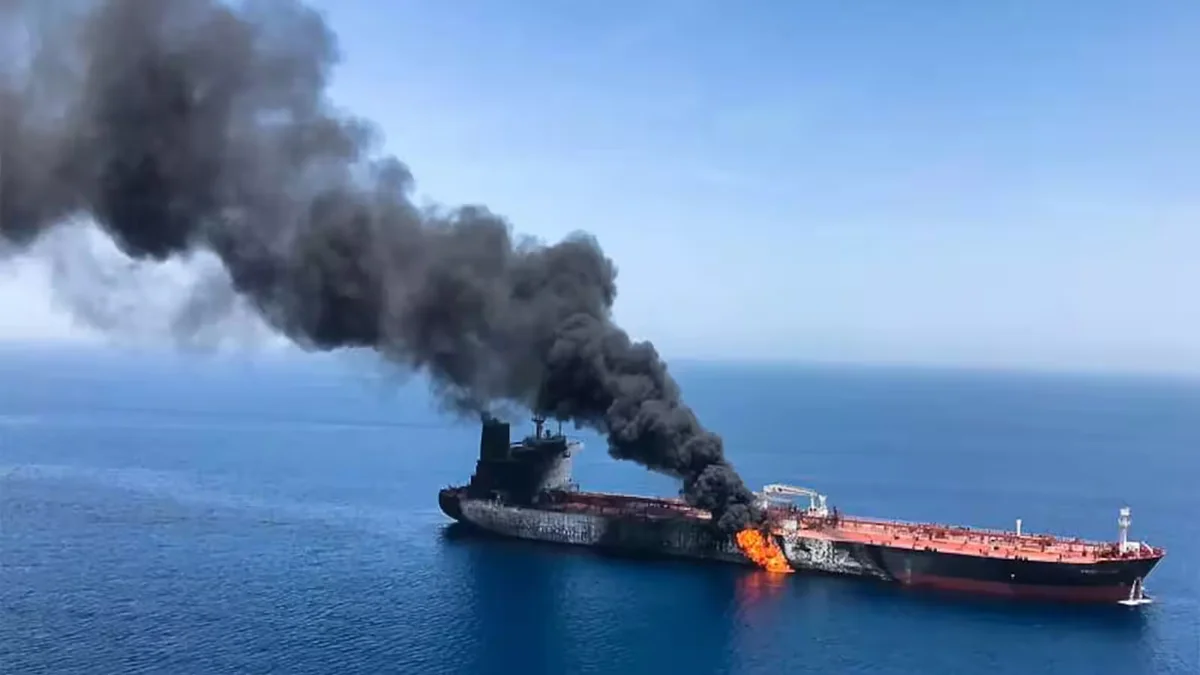
Airlines have reiterated that safety remains non-negotiable. Flight operations will only resume once comprehensive security clearances and operational stability are established across regional airports.
Relief Measures and Flexibility for Affected Passengers
To mitigate the inconvenience caused to stranded or booked passengers, airlines have introduced flexible rebooking and cancellation policies. Passengers holding confirmed tickets for affected dates can reschedule their journeys once without incurring any additional change fees.
Alternatively, individuals who wish to cancel their travel plans entirely are entitled to a full, unconditional refund of their ticket fares. Some carriers are also permitting passengers to utilize alternative transit hubs within the Gulf region, subject to specific guidelines.
Strategic Implications and Diplomatic Advisories
The recent surge in aerial threats targeting critical infrastructure in the Gulf has prompted heightened international vigilance. Diplomatic missions have stepped up outreach, advising expatriates to stay updated through official channels and avoid high-risk zones.
Analysts suggest that the ongoing regional friction could have long-term repercussions on international transit corridors, requiring sustained diplomatic and security interventions.