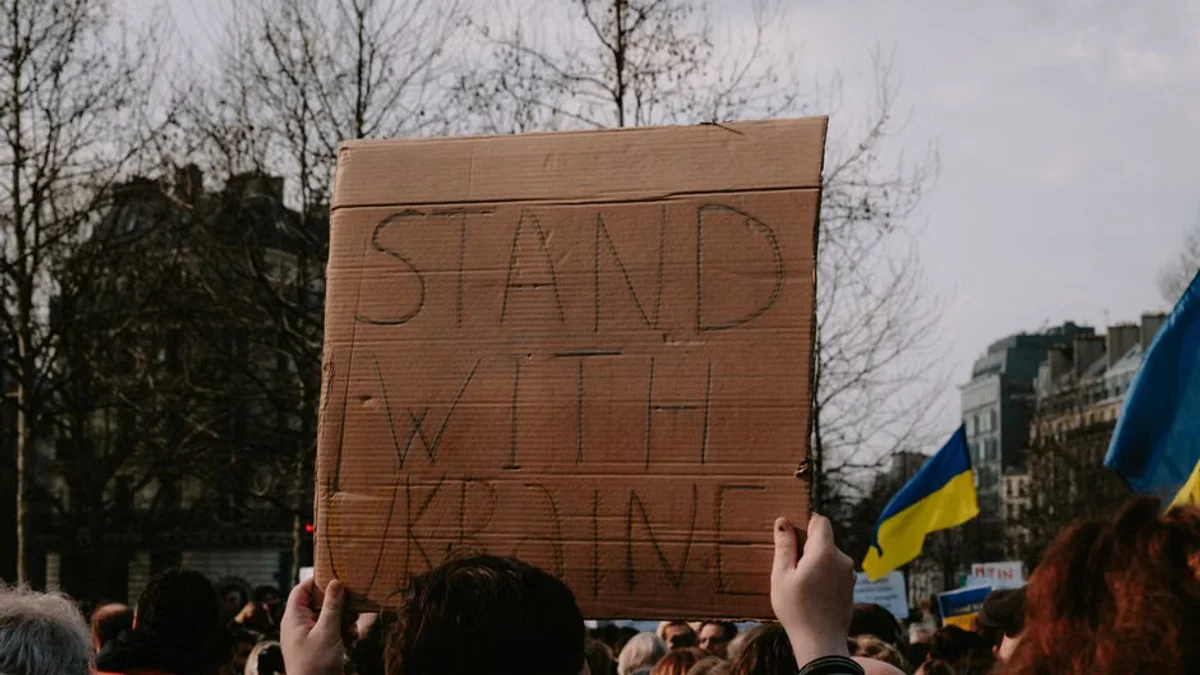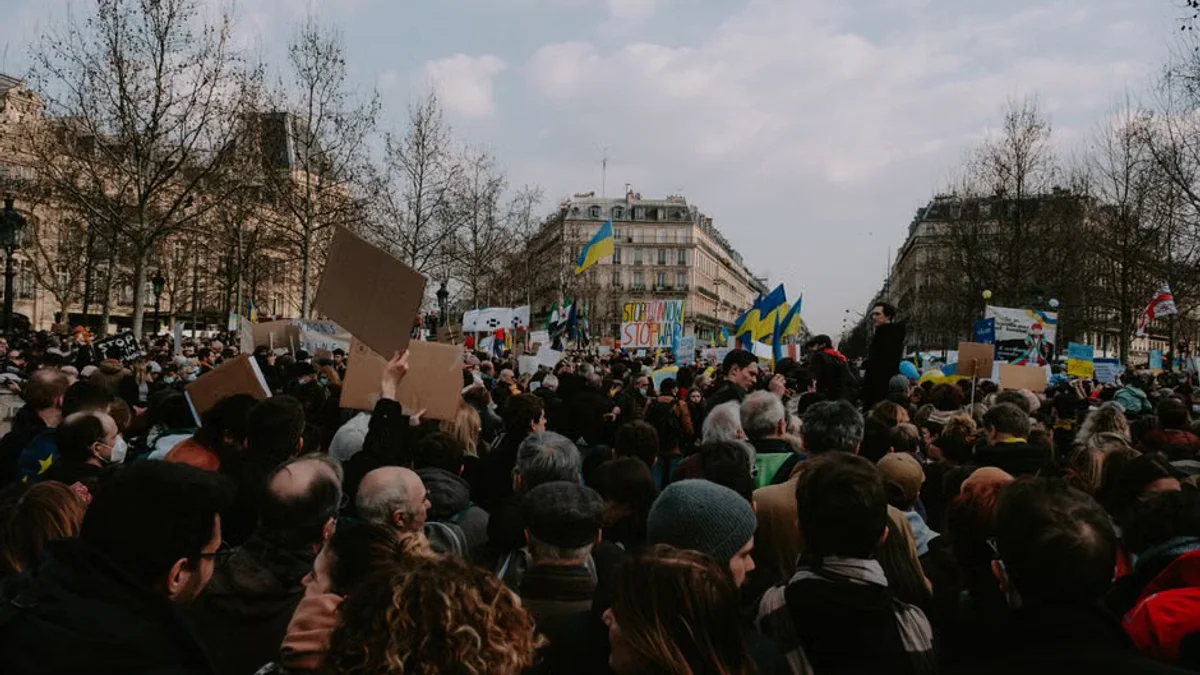
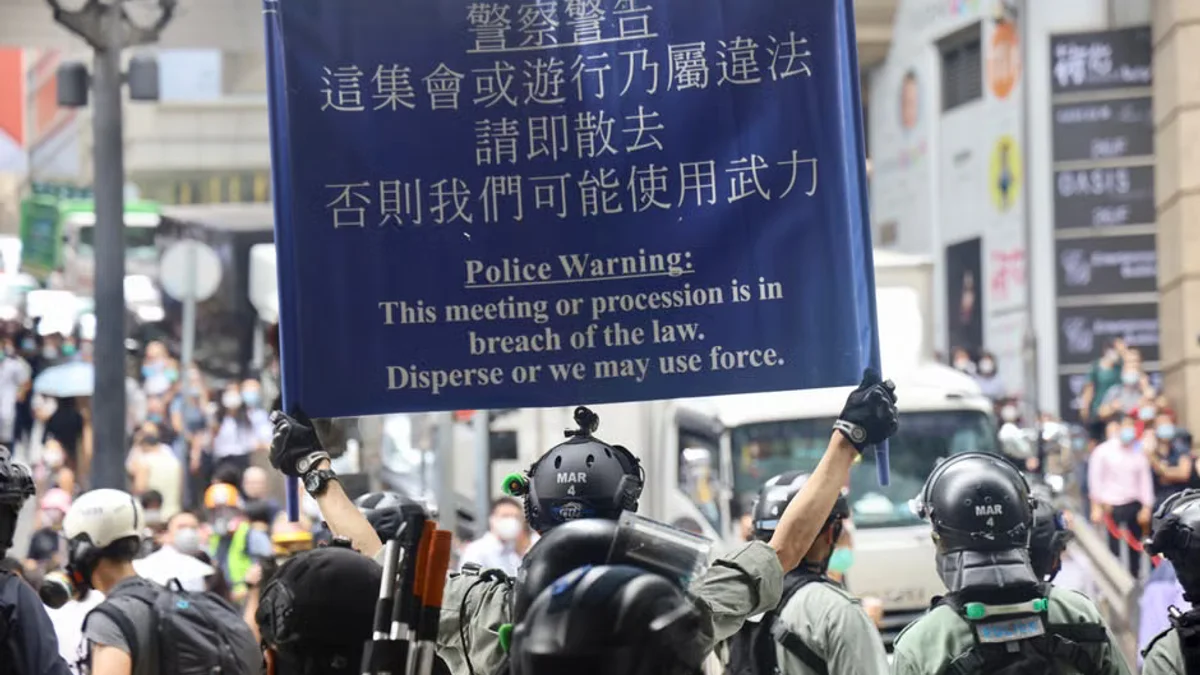
Paris — The use of aggressive crowd-control tactics by French security forces during nationwide high school protests has ignited a fierce political debate over civil liberties and police accountability. Recent demonstrations against educational reforms turned volatile in several major cities, leaving multiple students with grave injuries, including severe eye trauma and broken limbs.
Human rights groups, including Amnesty International France, have renewed calls for a strict ban on controversial less-lethal weapons, such as rubber-bullet launchers (LBDs) and sting-ball grenades, during domestic protests. Footage circulating widely on social media has amplified public outrage, showing heavy-handed interventions by specialized riot police units against minor demonstrators.
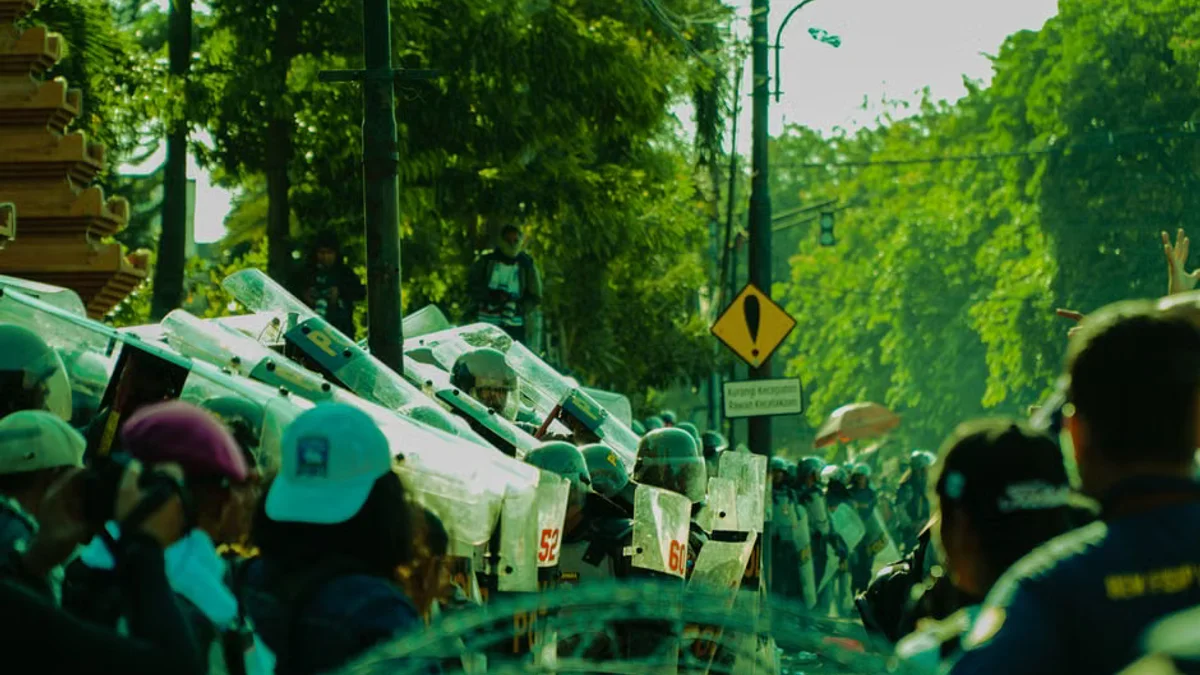
The French Ministry of the Interior defended the police response, citing persistent vandalism, arson, and attacks against law enforcement officers by radical elements who allegedly hijacked the student demonstrations. Officials maintained that officers operated within legal frameworks to restore public order and protect critical infrastructure.
However, opposition lawmakers in the National Assembly have seized on the incidents to criticize President Emmanuel Macron’s administration, accusing the government of normalizing disproportionate force against youth civic engagement. The controversy underscores a broader European tension between maintaining public safety and safeguarding the democratic right to peaceful assembly.
Key Highlights
- Multiple high school students sustained critical injuries during recent pension and education reform rallies.
- Human rights watchdogs demand stricter oversight on French riot police equipment and operational mandates.
- Political fallout intensifies in the French Parliament regarding state security protocols.
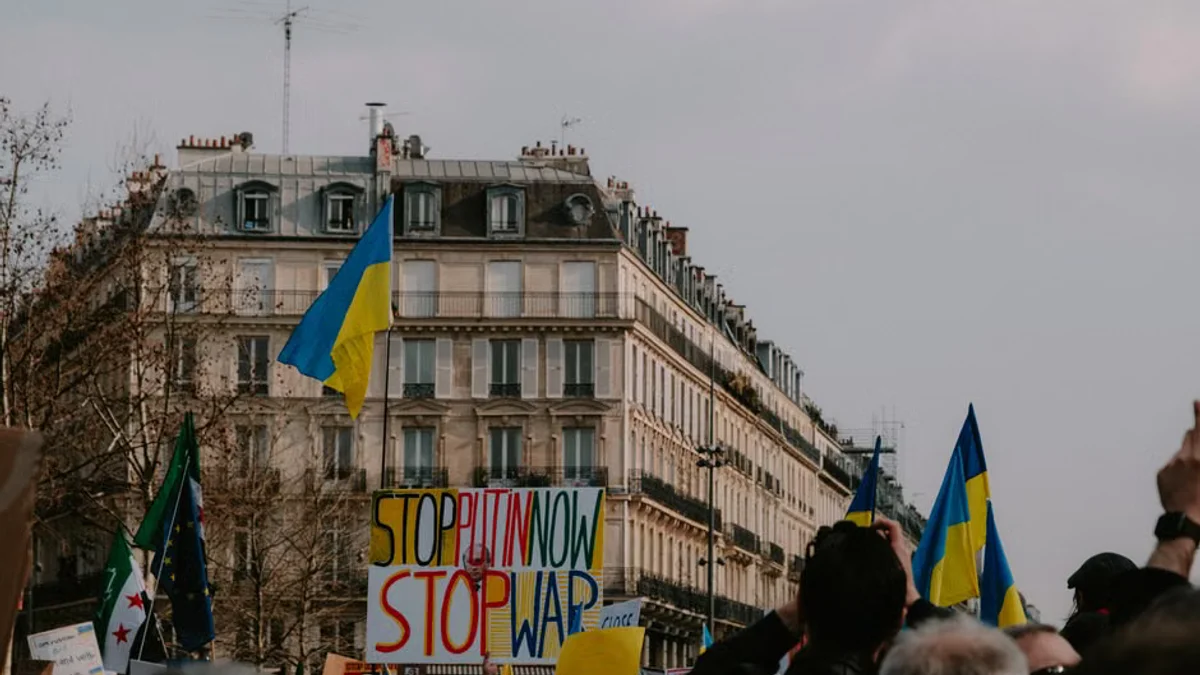
As investigative commissions begin reviewing incident reports, the dialogue surrounding police reform and civic rights in France remains a central flashpoint in European politics.