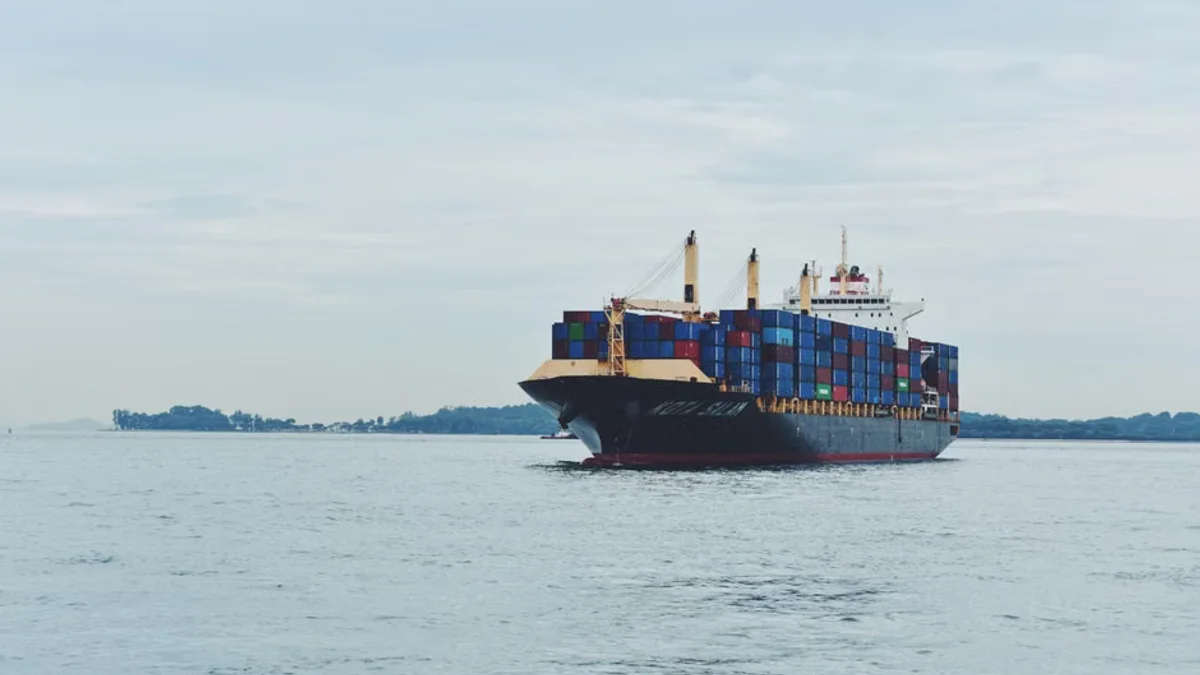
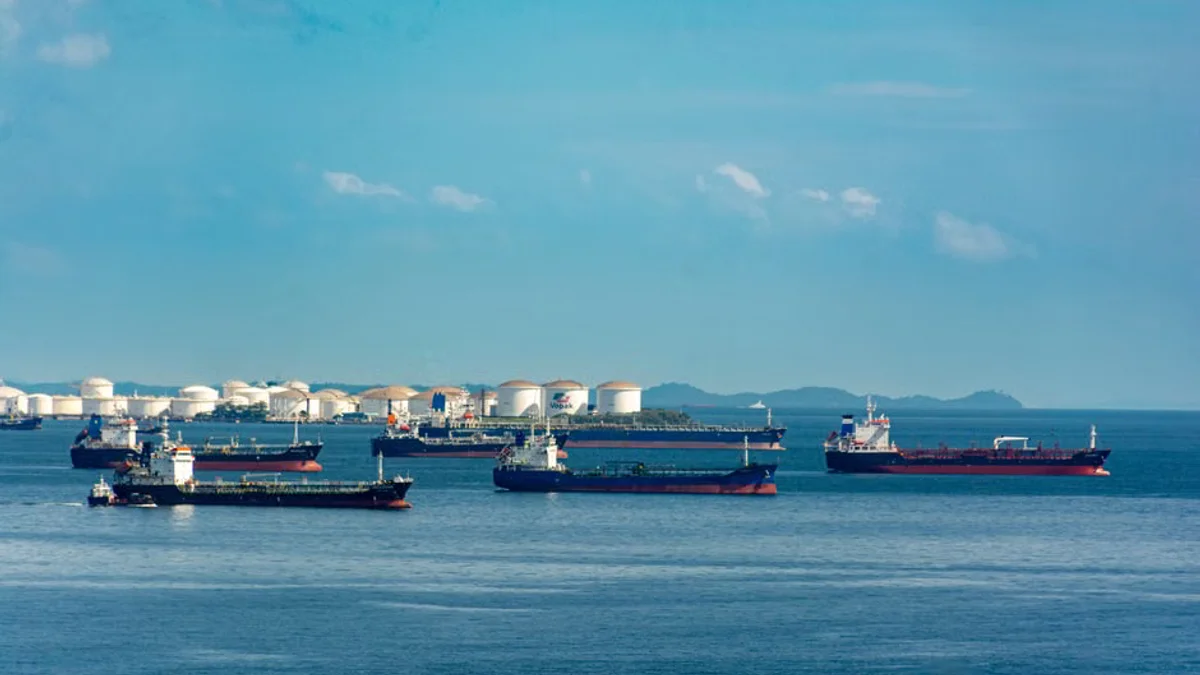
Doha/London — Geopolitical tensions in the Middle East reached a dangerous new crescendo following reports of a targeted attack on a commercial oil tanker off the Qatari coastline. The incident immediately triggered emergency responses from regional maritime authorities, heightening fears of a wider conflict in critical global trade chokepoints.
Compounding the crisis, official statements emanating from Tehran claimed that maritime routes transporting petroleum through the strategic Strait of Hormuz could face total closure. The Strait handles roughly a fifth of the world's petroleum consumption, making any disruption an immediate catalyst for skyrocketing crude oil futures and global inflationary pressures.

Energy ministers across the European Union and the United States convened emergency consultations to evaluate strategic petroleum reserves and secure maritime transit corridors. International shipping conglomerates have begun rerouting vessels or increasing security protocols to safeguard crews and cargo against asymmetrical naval threats.
Key Highlights
- Commercial oil tanker suffers direct attack in waters off Qatar.
- Iran issues aggressive rhetoric regarding potential closure of the Strait of Hormuz.
- Global crude prices surge sharply in response to escalating supply security risks.
As diplomats scramble to de-escalate hostilities, the fragile balance of international energy security hangs precariously in the balance.