
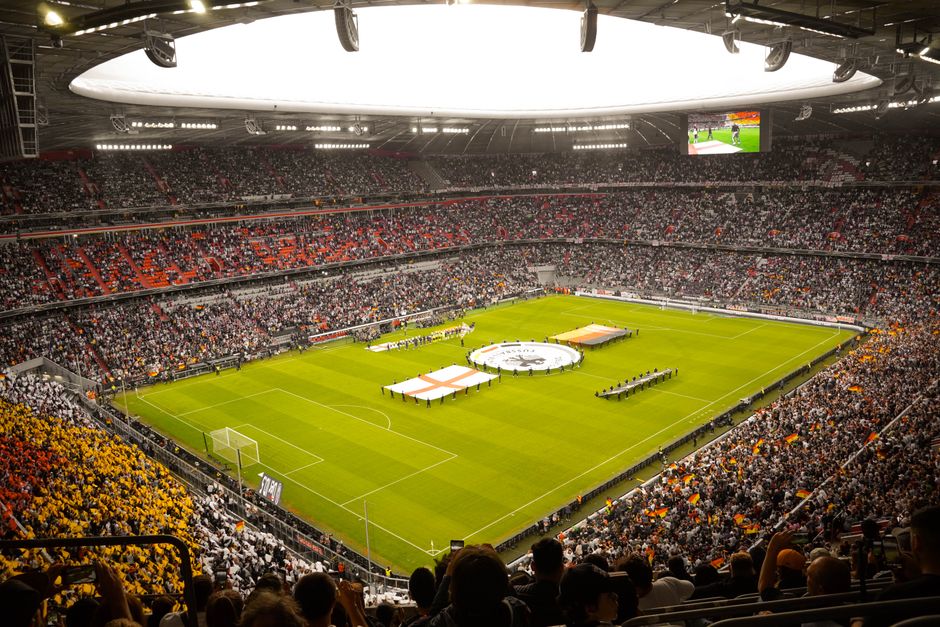
In an era where geopolitical tensions frequently dominate diplomatic channels, international sports fixtures have emerged as a powerful mechanism for fostering mutual understanding and cultural exchange. Events featuring cross-continental match-ups, such as those between South American powerhouse nations and emerging African contenders, transcend mere athletic competition to become symbols of global unity and cooperation.
Governments and sports federations alike increasingly view these fixtures as vital platforms for public diplomacy. By facilitating athletic exchanges, nations can showcase their cultural heritage, build people-to-people connections, and strengthen diplomatic ties without the friction often associated with formal political negotiations. These matches offer a neutral ground where nations can engage in positive reinforcement of international friendship.
Furthermore, the economic impact of such global sporting events cannot be overlooked. Tourism, broadcasting rights, and merchandising contribute significantly to local and national economies, providing a dual benefit of financial growth and enhanced international visibility. Analysts note that developing nations leveraging these platforms successfully often see a substantial boost in their global profile and investor confidence.
Key Highlights
- Sports diplomacy acts as a crucial channel for soft power projection.
- Cross-continental matches enhance cultural exchange and mutual respect.
- Economic benefits include boosted tourism and international broadcasting revenue.
As the international community continues to navigate complex geopolitical landscapes, the role of sports as a universal language remains indispensable in bridging divides and fostering enduring global partnerships.


