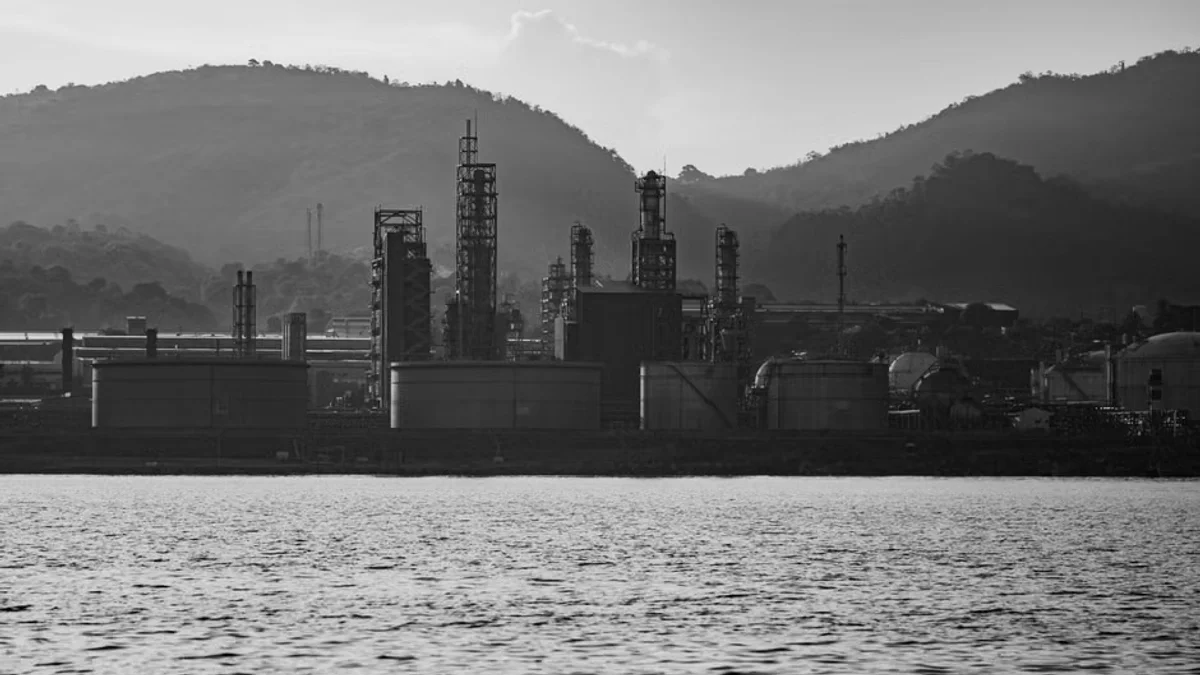
DUBAI — The fragile geopolitical equilibrium in the Middle East faced a severe test as Yemen’s Houthi movement launched a coordinated wave of drone and missile strikes targeting vital Saudi Aramco oil processing facilities. The military escalation unfolded mere hours after a Saudi-led coalition launched punishing retaliatory airstrikes against Houthi-controlled oil storage sites in Yemen's capital, Sanaa.
Energy market experts expressed immediate anxiety regarding the security of global petroleum supply routes through the Bab al-Mandeb strait and the Arabian Peninsula. While Saudi state media reported that emergency fire suppression teams successfully contained blazes sparked by intercepted debris at the Aramco installations, the audacious cross-border attack highlights the persistent vulnerability of critical regional infrastructure.

International diplomats and United Nations envoys have rushed to urge immediate de-escalation, warning that renewed hostilities threaten to completely derail delicate regional peace negotiations. The renewed violence underscores how interconnected Middle Eastern security remains with global energy stability and macroeconomic inflation trends.
Key Highlights
- Houthi forces launched drone and missile attacks targeting strategic Saudi Aramco infrastructure.
- The strikes followed coalition airstrikes hitting oil storage sites in Sanaa, Yemen.
- Global energy markets reacted with apprehension over potential supply chain disruptions.

As military commanders on both sides brace for potential further exchanges, international mediators are working frantically to prevent a full-scale resumption of the devastating Yemen conflict.