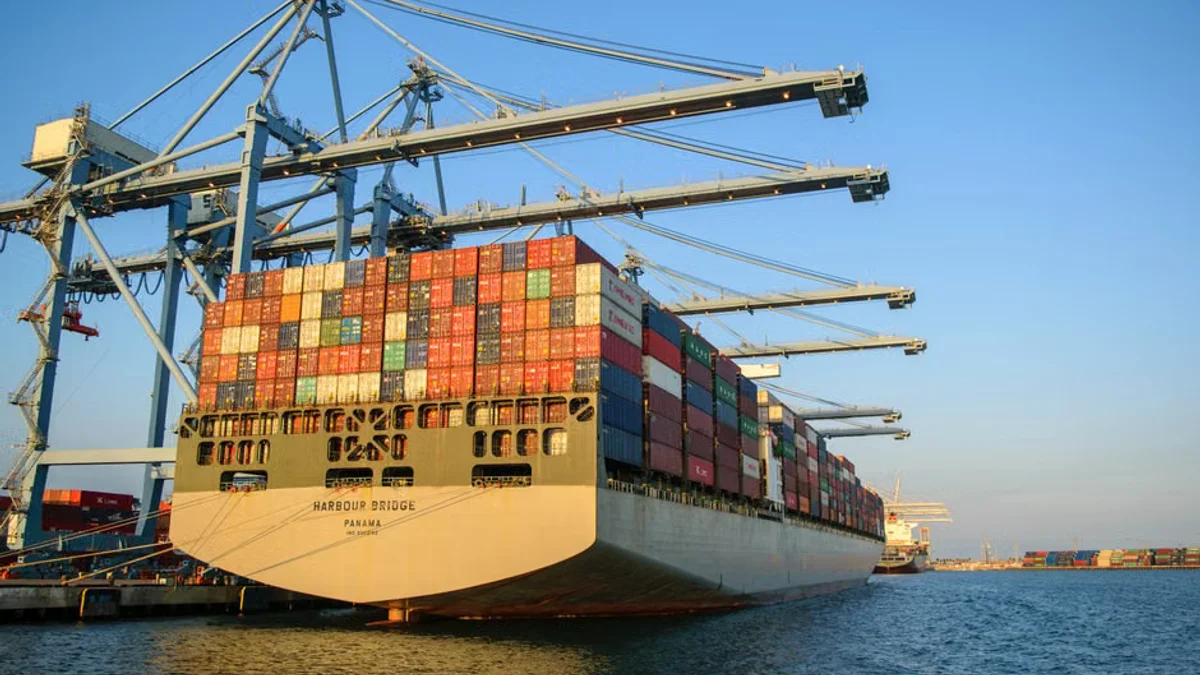
Recent geopolitical analyses examine the core motivations, regional alliances, and strategic ambitions driving Houthi military actions in the Red Sea. As commercial shipping operators increasingly reroute vessels around the African cape, policymakers are scrutinizing the long-term diplomatic and economic implications of the ongoing conflict.
Originating as a political and religious movement in northern Yemen, the Houthis have expanded their operational capabilities significantly over the past decade. Their stated aims intertwine local governance objectives with broader ideological alignments across the Middle East, leveraging maritime chokepoints to project regional influence.

International coalitions led by naval powers continue defensive patrols to secure vital trade arteries, even as diplomatic channels struggle to establish a lasting ceasefire. Economists warn that persistent disruptions threaten supply chain stability and energy prices worldwide.
Key Highlights
- Financial Times analysis explores the underlying motives and goals of the Houthi movement.
- Red Sea shipping disruptions continue to impact global supply chains and freight costs.
- International naval coalitions maintain security patrols while diplomatic efforts face hurdles.

Resolving the Red Sea maritime crisis remains a paramount challenge for international diplomacy, requiring a delicate balance of military deterrence and sustained political engagement.