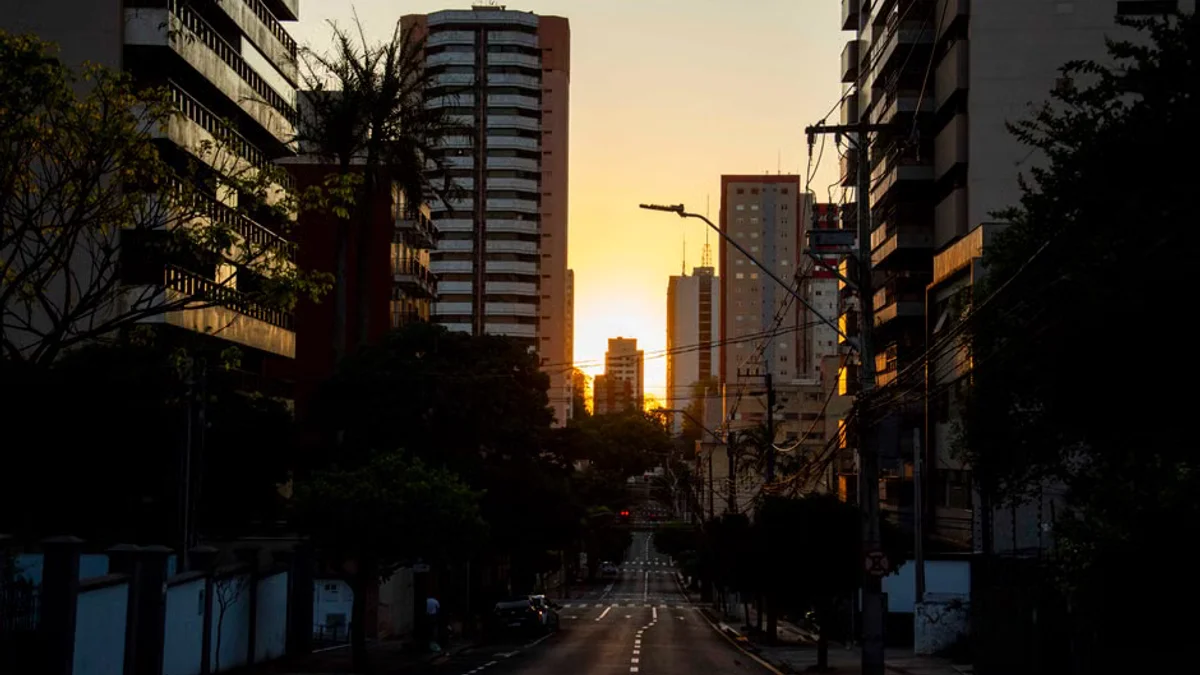
For years, the Venezuelan capital of Caracas was synonymous with hyper-inflation, political turmoil, and some of the highest violent crime rates on the planet. Today, however, visitors walking through certain neighborhoods encounter a starkly different reality: streets that feel remarkably secure, devoid of the rampant armed robberies and cartel-style turf wars that once defined daily urban existence.
However, investigative reporting published this week reveals a grim and alarming truth behind this superficial tranquility. The dramatic reduction in street crime has not been achieved through socioeconomic reform or institutional strengthening of the civilian police force. Instead, it is the direct result of brutal operations conducted by elite state security units and death squads that operate outside constitutional boundaries, utilizing extrajudicial killings, arbitrary detentions, and pervasive surveillance to enforce absolute compliance.

International human rights monitors and local advocacy groups have repeatedly condemned these authoritarian methods, arguing that the peace enjoyed by citizens in Caracas is built upon a foundation of state-sponsored terror and the complete erosion of civil liberties. Families of victims continue to demand accountability, even as government officials praise the security apparatus for restoring order.
Key Highlights
- Investigative reports highlight a dramatic decrease in violent crime in Caracas.
- Decline in crime attributed to aggressive state security tactics and extrajudicial operations.
- Human rights monitors condemn the erosion of civil liberties and lack of accountability.

As Venezuela navigates its protracted political crisis, the situation in Caracas underscores the profound moral and human cost of achieving public safety through authoritarian repression.