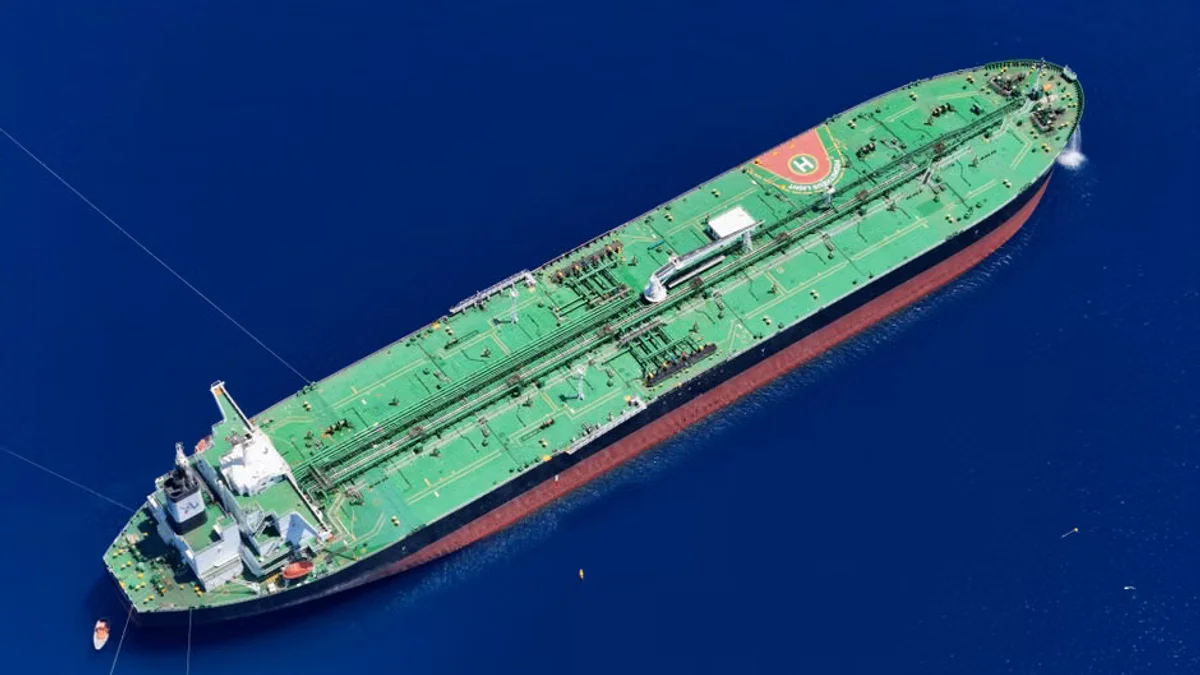
Geopolitical anxieties across the Middle East reached a dangerous new crescendo as maritime security officials confirmed that commercial oil tankers operating in international waters just outside the Strait of Hormuz were struck by unidentified projectiles. The attacks mark a significant tactical expansion beyond traditional flashpoints, threatening vital global energy supply chains.
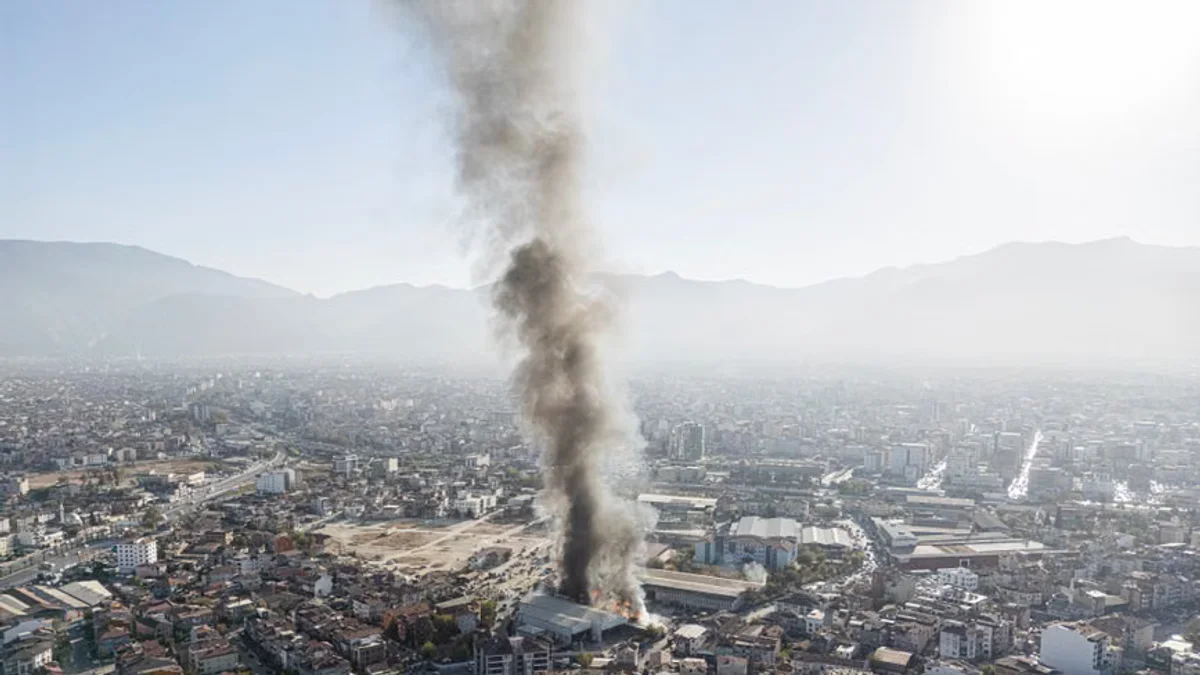
Naval intelligence reports indicate that at least two vessels sustained structural damage and localized fires, though prompt emergency response protocols prevented catastrophic spills or crew casualties. Defense analysts suggest the strikes are part of an intensifying asymmetric campaign designed to exert economic leverage amid stalled diplomatic negotiations between regional powers and Western capitals.
Energy markets reacted immediately, with crude futures climbing sharply in early trading as insurers reassessed risk premiums for tankers transiting the Persian Gulf and Gulf of Oman. Major shipping lines are currently re-evaluating routes, while allied naval task forces have stepped up patrols to secure critical maritime choke points.
Key Highlights
- Commercial oil tankers struck by projectiles just outside the Strait of Hormuz.
- Global crude oil prices surge amid fears of disrupted energy transit routes.
- Naval task forces enhance security protocols as maritime insurance premiums skyrocket.
With international diplomacy struggling to contain the spillover effects of regional conflicts, the security of maritime commerce hangs in a precarious balance, demanding urgent multilateral intervention.