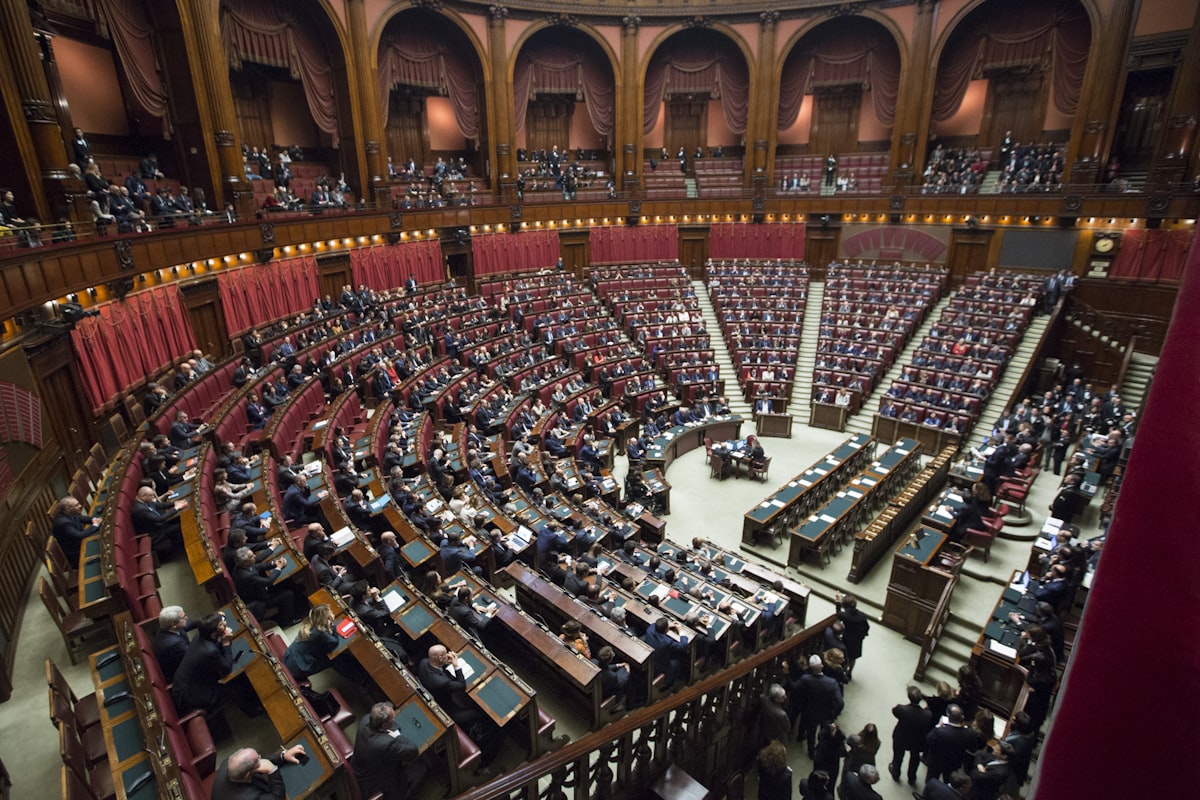
Rome's political landscape is engulfed in fierce debate following the parliamentary approval of a sweeping electoral reform championed by Prime Minister Giorgia Meloni's administration. Proponents argue the legislation is necessary to eradicate chronic political instability and ensure decisive governance in a country notorious for short-lived coalition governments.
However, opposition parties have launched blistering attacks against the new framework, denouncing it as an anti-democratic 'scam' law engineered to cement conservative rule and sideline minority factions. Demonstrations and heated parliamentary exchanges underscore deep societal polarization over the institutional changes, which alter voting thresholds and executive powers.

Political analysts across the European Union are closely monitoring the situation in Italy, noting that constitutional overhauls of this magnitude carry profound implications for democratic norms within the eurozone. Legal challenges and potential referendums are widely anticipated as opponents mobilize to block the implementation of the law.
Key Highlights
- Prime Minister Giorgia Meloni's government passes a major electoral overhaul in parliament.
- Opposition leaders fiercely condemn the legislation, labeling it an undemocratic 'scam' law.
- The reforms aim to curb chronic government instability but trigger widespread political protests.

As Italy navigates this turbulent legislative chapter, the ultimate test of the reform will lie in its reception by voters and its resilience against impending constitutional legal challenges.