
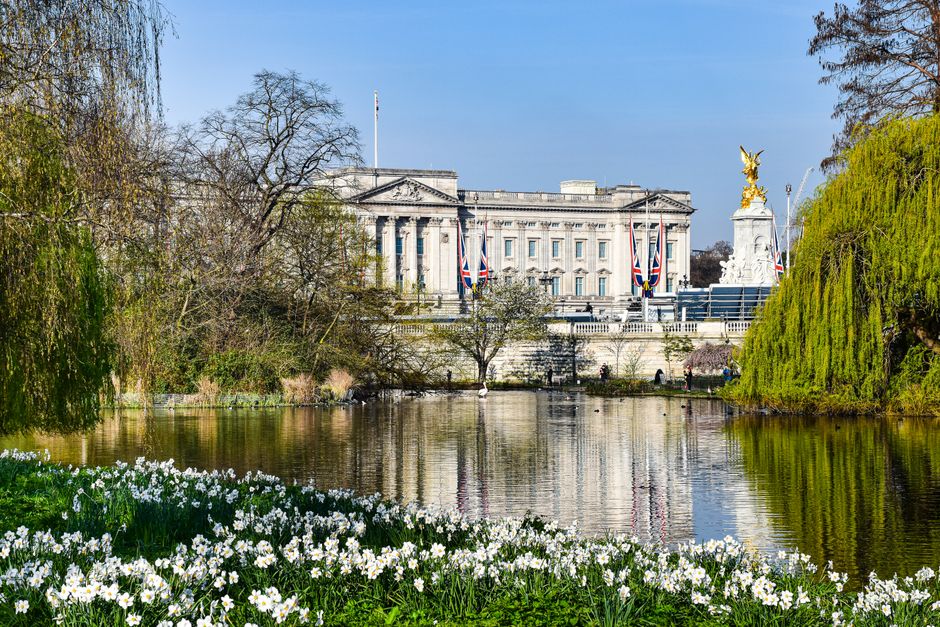
LONDON — In an address broadcast across international media networks, King Charles III articulated a vision of renewed solidarity among Commonwealth member states, placing climate action, economic equity, and multilateral diplomacy at the forefront of his sovereign agenda. Speaking from Buckingham Palace to an audience of international diplomats and dignitaries, the monarch stressed that contemporary global challenges demand unprecedented cross-border collaboration.
'The cascading crises of our era—from planetary degradation to deepening economic inequalities—cannot be successfully addressed by isolated nation-states acting alone,' King Charles stated. 'Our shared heritage must now serve as a functional bridge for sustainable development, mutual respect, and enduring peace.'
Political analysts in London and Brussels noted the calculated geopolitical undertones of the speech, which comes at a time when the United Kingdom is actively renegotiating trade agreements and diplomatic partnerships globally post-Brexit. By leveraging the soft power of the Commonwealth—a voluntary association spanning 56 countries and nearly 2.5 billion citizens—the British Crown continues to play a vital diplomatic conduit role.
Environmental policy leaders warmly welcomed the King's explicit focus on renewable energy transitions and biodiversity conservation, noting his decades-long advocacy prior to ascending the throne. However, republican movements within several Commonwealth realms reiterated calls for constitutional transitions toward fully independent sovereign republics, highlighting ongoing debates regarding the post-colonial legacy of the British monarchy.
Key Highlights
- King Charles III delivers major address emphasizing Commonwealth cooperation and climate action.
- Speech highlights the strategic role of soft power in post-Brexit British foreign policy.
- Ongoing debates persist regarding republican transitions in select Commonwealth member states.
Ultimately, the monarch's address reinforces the enduring diplomatic utility of the British Crown as a unifying symbolic institution amidst a volatile and increasingly fragmented global order.


