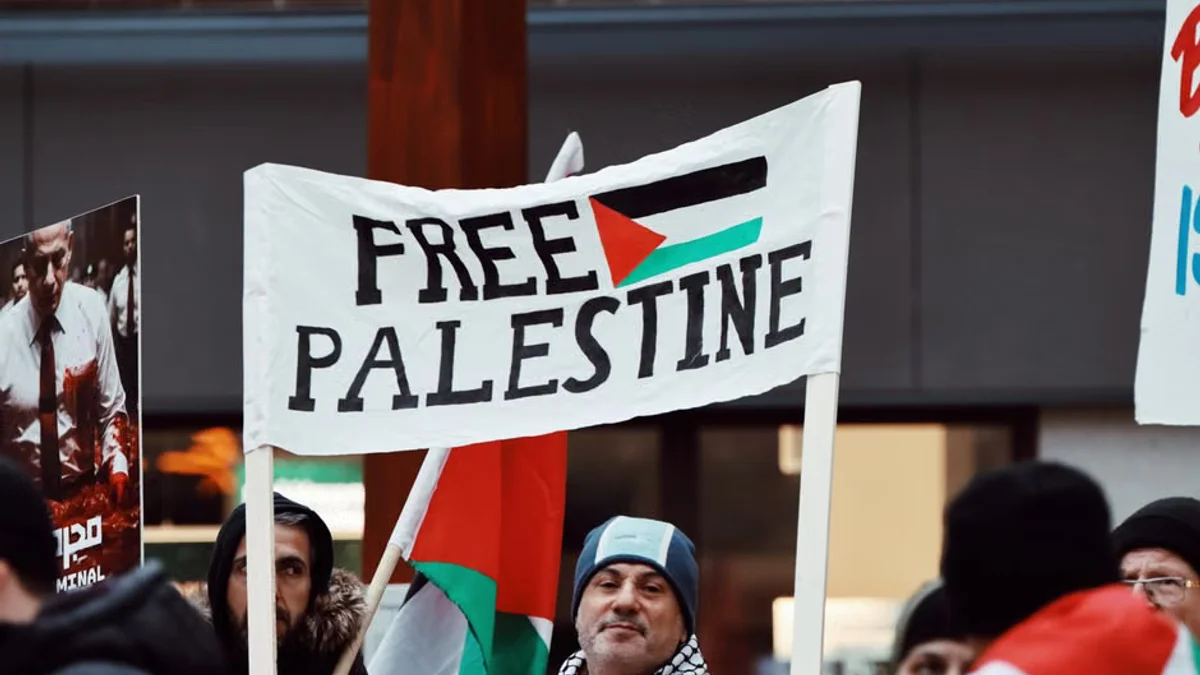
The intersection of literature and geopolitics reached a new flashpoint as a prominent UK publishing house announced the withdrawal of bestselling author Sally Rooney's novels from British bookstores. The drastic action follows intense scrutiny over Rooney's public support for organizations involved in the Boycott, Divestment, Sanctions (BDS) movement and related political campaigns regarding the Israeli-Palestinian conflict.
Publishing executives cited compliance concerns and mounting pressure from distribution partners as the primary catalysts for the suspension. Rooney, renowned for literary hits such as 'Normal People' and 'Conversations with Friends', has previously used her platform to advocate for cultural boycotts of institutions tied to the Israeli government, a stance that has drawn both fervent praise and sharp condemnation from international literary circles.

Free speech advocates and writers' unions have expressed profound alarm over the publisher's decision, warning that preemptive censorship and ideological blacklisting threaten the foundational principles of artistic freedom and open discourse. Conversely, stakeholder groups supporting the publisher's action argued that commercial entities possess the right to disassociate from political figures whose stances violate corporate compliance frameworks. The controversy has ignited a fierce debate across the global publishing industry regarding corporate neutrality and ideological alignment.
Key Highlights
- UK publisher pulls Sally Rooney's books amid political controversy.
- Decision tied to author's support for contentious boycott campaigns.
- Writers' unions condemn the move as a dangerous precedent for artistic freedom.

As the literary world grapples with the fallout, the incident highlights the growing difficulty of separating high-profile authors' political activism from their commercial publishing portfolios.