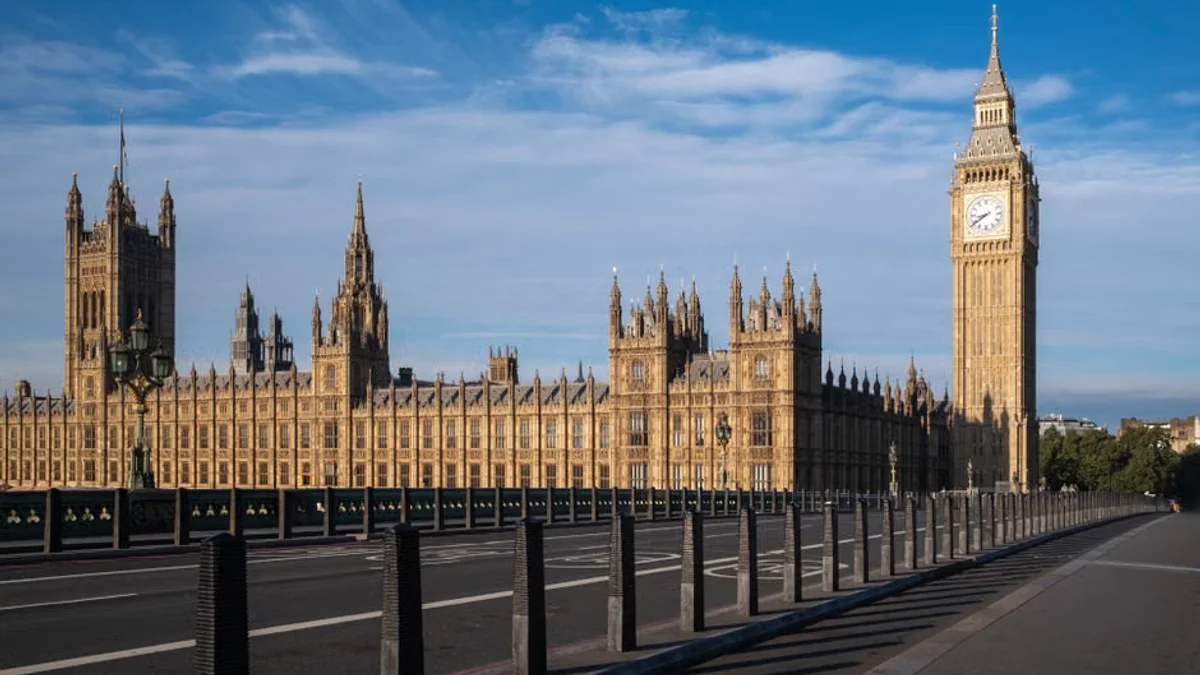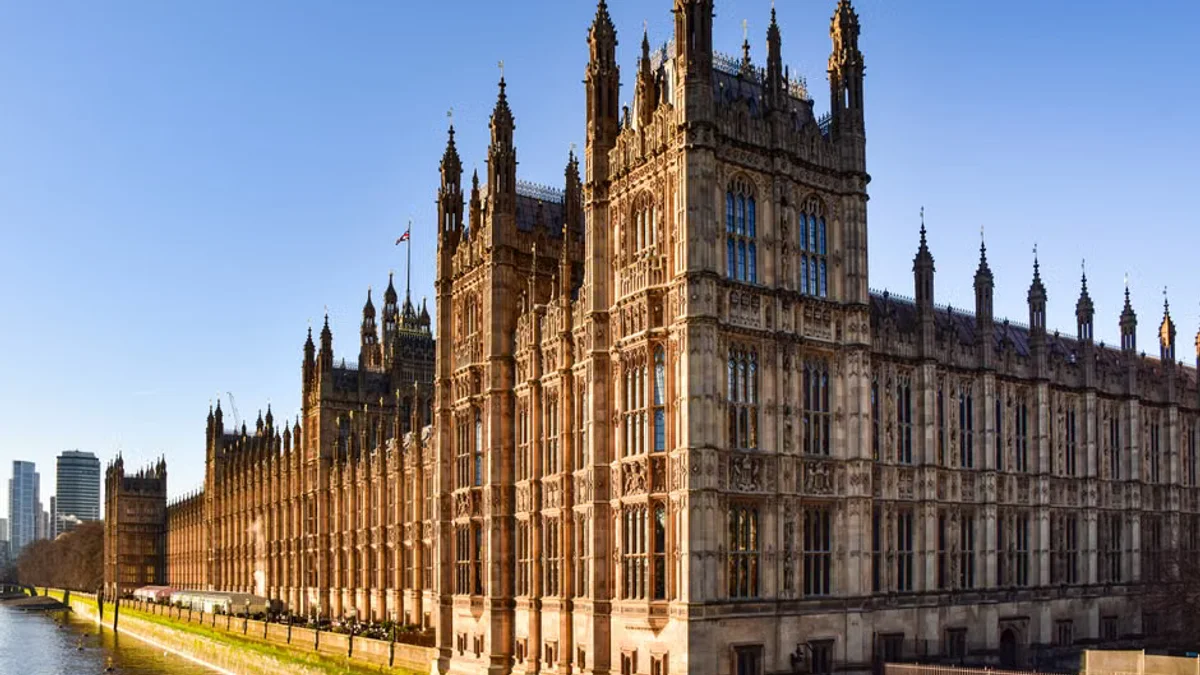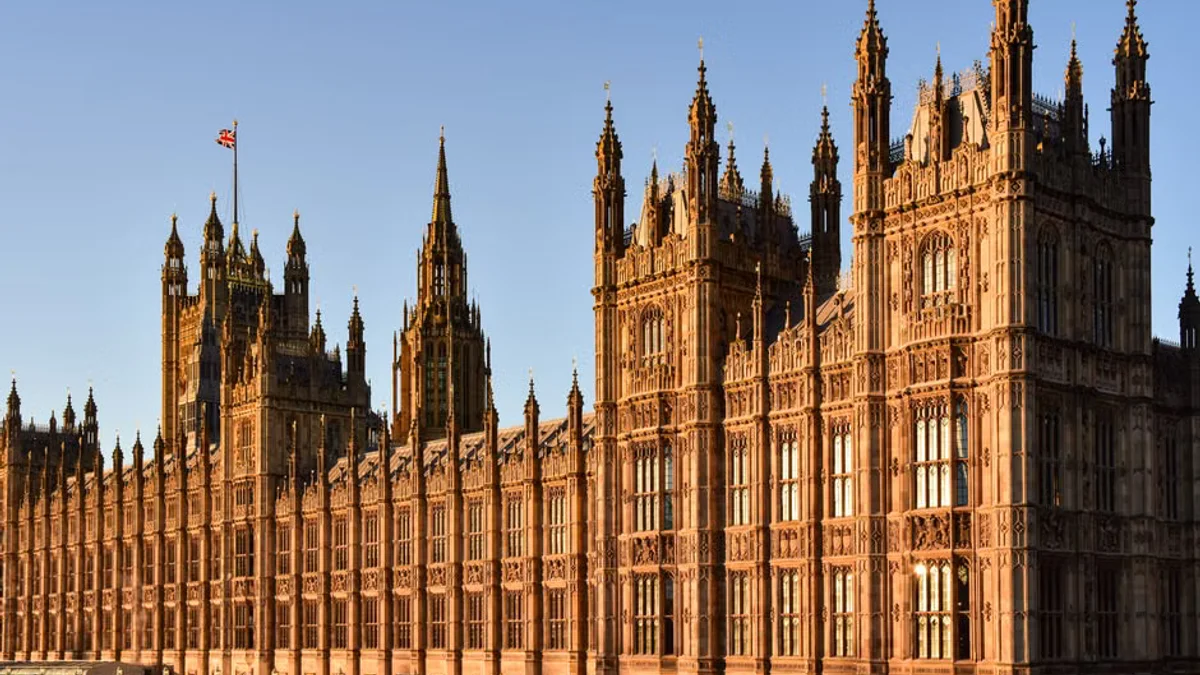
The political landscape across the United Kingdom is intensely focused on a high-stakes local by-election in Shepshed, where the governing Labour Party faces a formidable challenge from challengers including Reform UK and the Conservative opposition. Serving as an important litmus test for public sentiment following recent legislative debates, the contest has attracted senior party figures and intensive grassroots campaigning.
Political pundits view the Shepshed by-election as a key indicator of shifting voter loyalties in post-industrial and suburban constituencies. While Labour seeks to consolidate its electoral coalition, insurgent parties like Reform UK are heavily capitalizing on local grievances regarding public services, economic cost-of-living pressures, and immigration reform. The Conservative Party, meanwhile, is striving to rebuild its regional base and demonstrate renewed electoral viability.
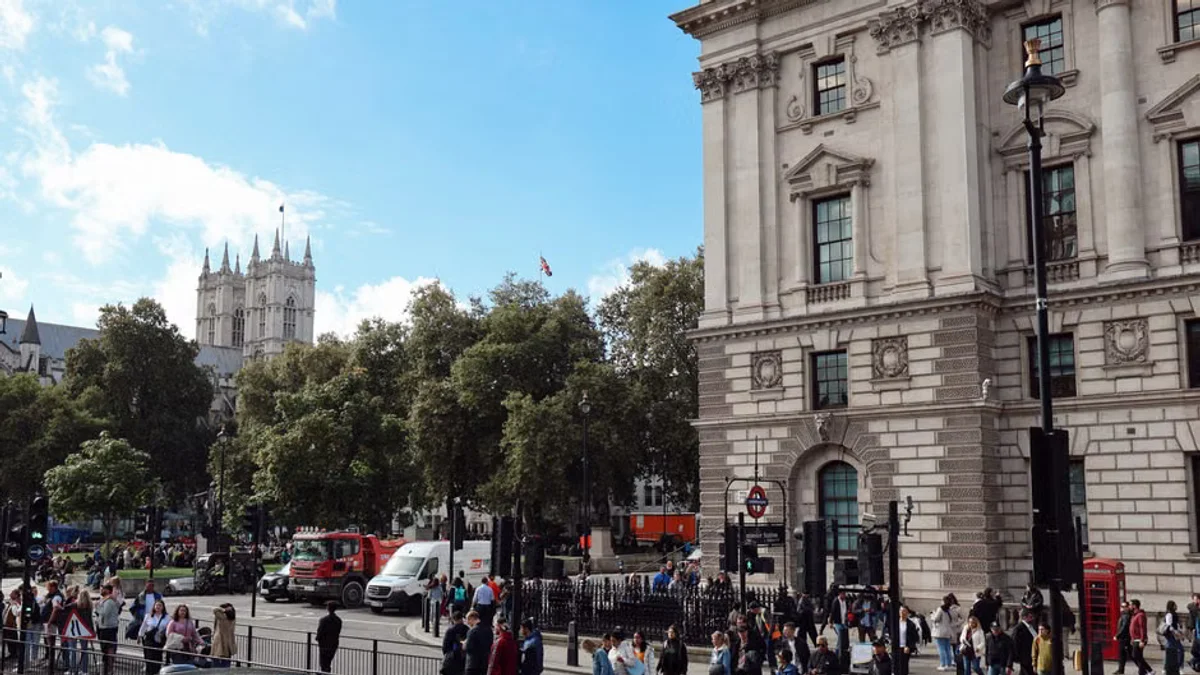
Local issues have dominated the campaign trail, ranging from municipal funding allocations and housing developments to infrastructure improvements and healthcare access. Canvassing teams have reported high voter engagement, reflecting broader national anxieties and a palpable desire for tangible policy results at both the local and national levels.
As polling stations close and ballot counting commences, the electoral outcome will undoubtedly send ripples through Westminster. Party strategists are already preparing spin narratives and policy adjustments based on the results, knowing that regional by-elections often set the strategic tone for upcoming national electoral cycles.
Key Highlights
- Shepshed by-election serves as a major political barometer for UK political parties.
- Labour, Reform UK, and Conservatives engage in fierce electoral competition.
- Local cost-of-living and public service issues dominate the campaign discourse.
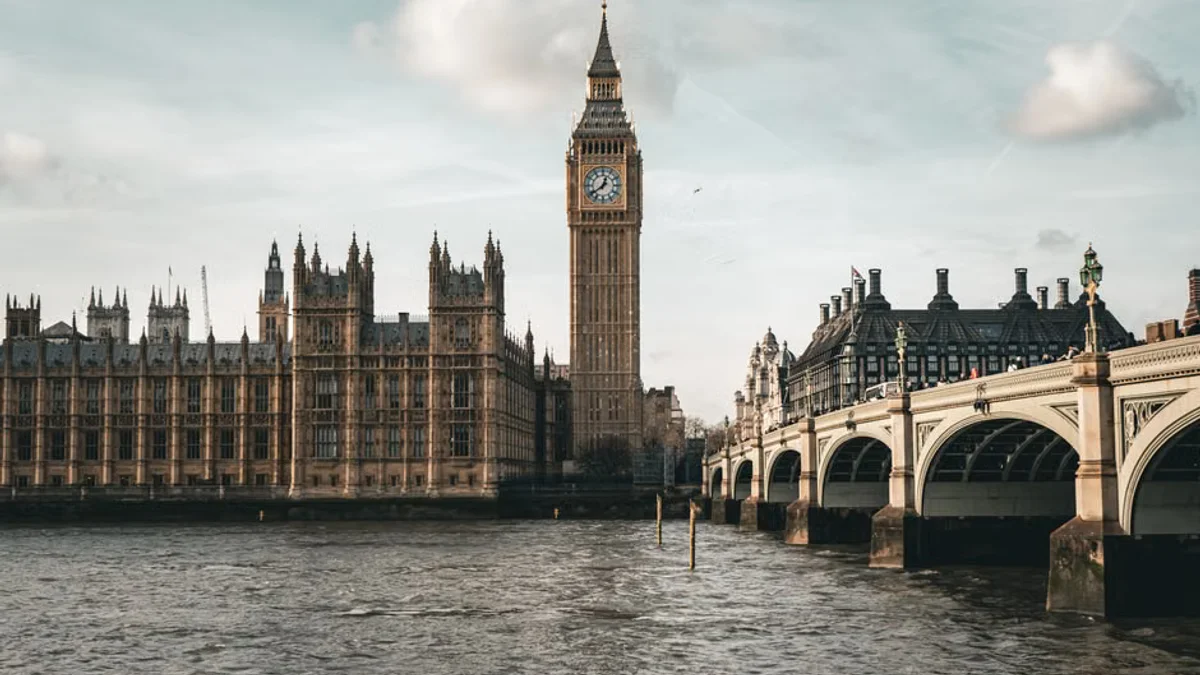
The results from Shepshed will provide vital insights into the evolving British electorate, shaping political calculations in Parliament for months to come.