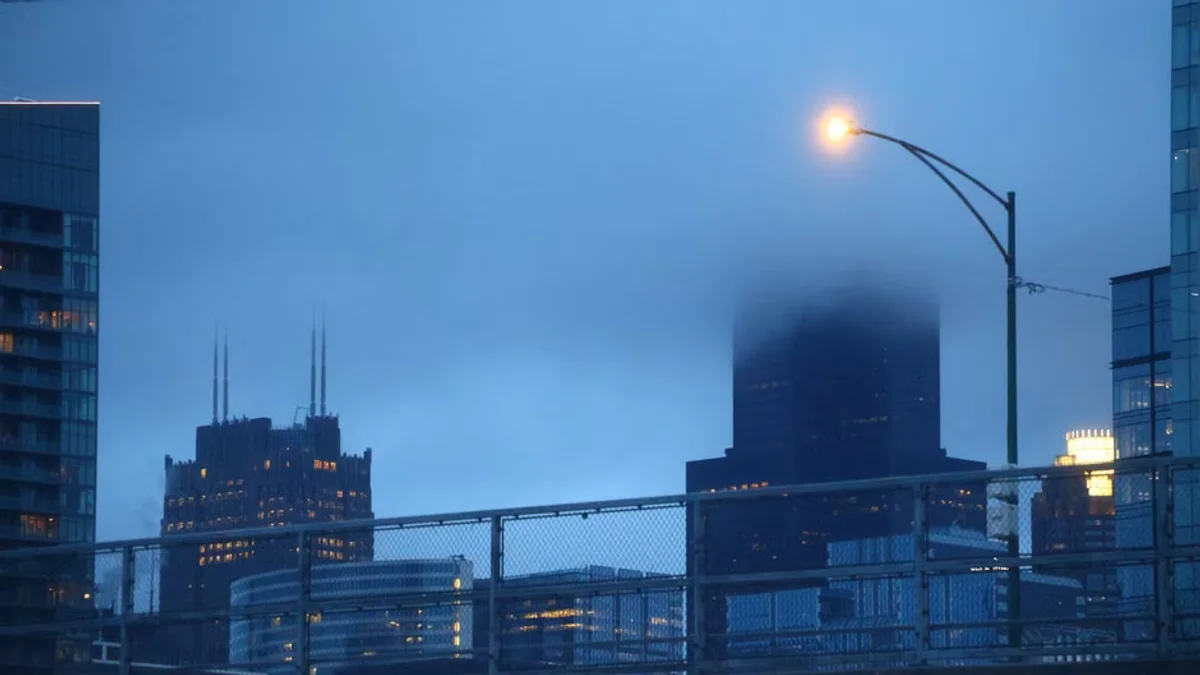
Singapore's National Environment Agency (NEA) reported a sharp deterioration in air quality across the island, with pollutant standards index (PSI) readings entering the 'very unhealthy' range in multiple regions. The sudden onset of the transboundary haze has reduced visibility and prompted immediate health advisories from government ministries.
The spike in particulate matter, particularly PM2.5 readings, has been attributed to persistent forest and peatland fires in neighboring Indonesia, fueled by prolonged dry weather conditions. Environmental groups and regional governments are facing mounting pressure to enhance bilateral cooperation on fire prevention and agricultural burning enforcement.
Local businesses, outdoor sports coaches, and educational institutions are already feeling the economic and operational fallout. With outdoor classes and recreational sports cancelled across several districts, workers reliant on outdoor operations have raised concerns regarding workplace safety and compensation amidst hazardous conditions.
Health authorities have distributed advisories recommending the use of N95 masks for individuals required to spend extended periods outdoors, while urging citizens with chronic heart and lung conditions to remain indoors with air purifiers running.
Key Highlights
- PSI readings reached 'very unhealthy' thresholds across three major Singaporean regions.
- PM2.5 concentration spikes are linked to transboundary peatland fires in the region.
- Government agencies issued nationwide health advisories and distributed protective masks.

As meteorological forecasts indicate continued dry winds, Singaporean officials remain on high alert, emphasizing that regional diplomatic frameworks must be strengthened to permanently resolve the recurring annual haze crisis.