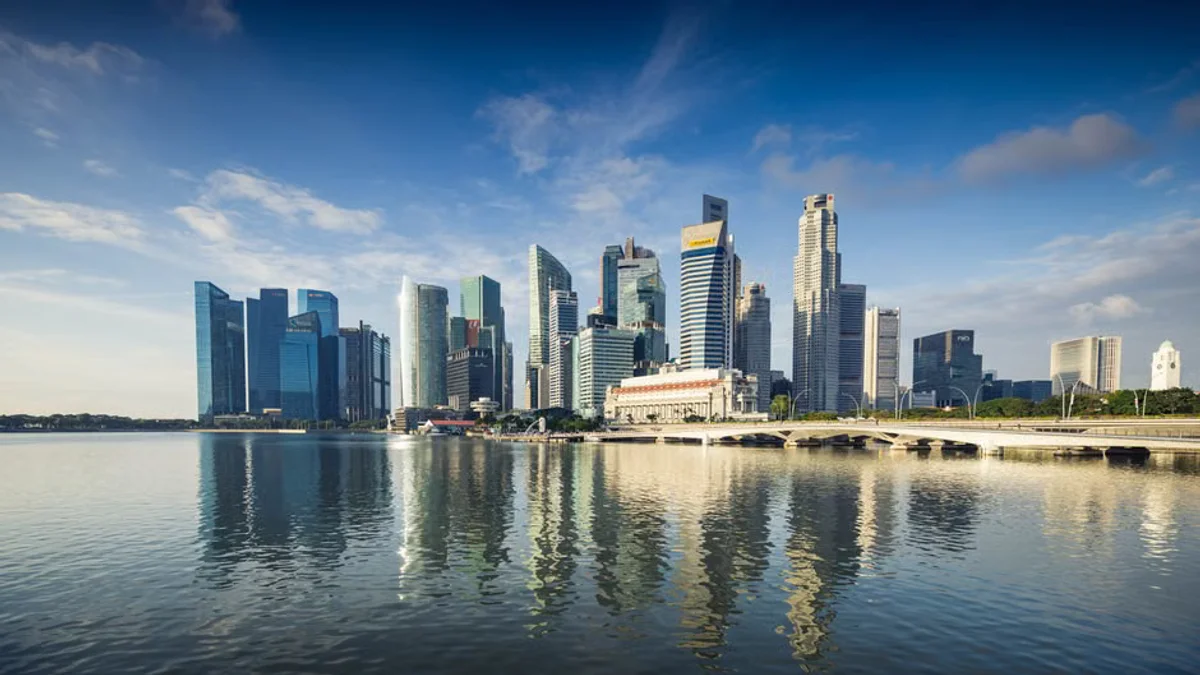
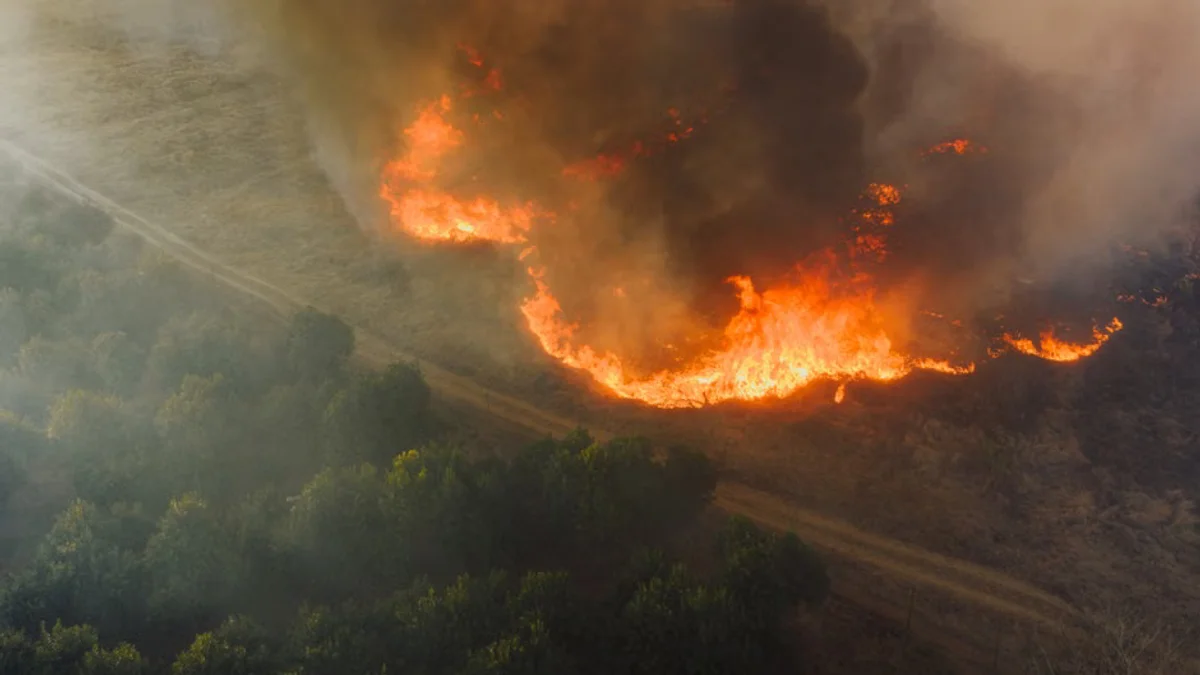
Singapore woke up to hazy skies and elevated PM2.5 readings as transboundary smoke from forest fires in neighboring Indonesia drifted across the Straits, prompting urgent health advisories from local environmental agencies. While air quality in the western parts of the island nation marginally improved out of the 'very unhealthy' band, overall conditions remain concerning for vulnerable segments of the population.
The current haze episode has reignited discussions on regional environmental cooperation. Indonesian authorities faced sharp criticism following the deployment of mitigation measures, including plans to use dry ice cloud seeding to clear skies over fire-affected provinces. Meanwhile, Malaysia has adjusted its threshold for haze-related school closures, reflecting a coordinated regional anxiety over the health and economic fallout of the annual burning season.
Singapore's National Environment Agency (NEA) advised citizens to limit prolonged outdoor exertion and ensure protective measures are ready if conditions deteriorate further. Demand for air purifiers and specialized face masks has spiked across retail outlets, mirroring previous severe smoke events that disrupted daily life in the financial hub.
Key Highlights
- PM2.5 readings remain elevated across Singapore, prompting public health advisories.
- Transboundary haze originates from forest fires in Indonesia's Kalimantan and Sumatra regions.
- Regional governments, including Malaysia and Singapore, are stepping up monitoring and mitigation coordination.

As climate volatility intensifies dry spells across Southeast Asia, experts warn that systemic reforms in land management and agricultural practices are crucial to preventing recurrent haze crises.