
Diplomatic envoys and international aid organizations are sounding urgent alarms over escalating humanitarian pressures and political fractures across northern Ethiopia’s war-ravaged Tigray region. More than a year following the signing of the historic Pretoria Cessation of Hostilities Agreement, observers caution that the peace process faces its most precarious trial yet, beset by severe funding deficits, localized skirmishes, and drought-induced food shortages.
According to assessments verified by United Nations agencies, millions across Tigray remain entirely reliant on emergency rations, yet distribution networks face ongoing logistical headwinds and global donor exhaustion. Lingering territorial disputes between the Tigray People's Liberation Front (TPLF) and neighboring Amhara regional forces over contested areas like Western Tigray have halted the comprehensive resettlement of over one million internally displaced persons (IDPs).

Compounding the humanitarian dilemma are simmering geopolitical frictions within the Horn of Africa. The continued presence of non-signatory military elements, including Eritrean forces reported along northern border sectors, continues to impede comprehensive disarmament, demobilization, and reintegration (DDR) protocols mandated under African Union mediation frameworks. Washington, Brussels, and the African Union have urged all stakeholders to avoid incendiary rhetoric that could jeopardize regional containment.
Key Highlights
- The landmark Pretoria peace agreement faces severe strain due to sluggish disarmament timelines and territorial standoffs.
- Severe regional food insecurity and stalled aid operations threaten millions of vulnerable civilians across Tigray.
- Regional geopolitical tensions between Addis Ababa, regional factions, and neighboring Eritrea risk destabilizing the Horn of Africa.
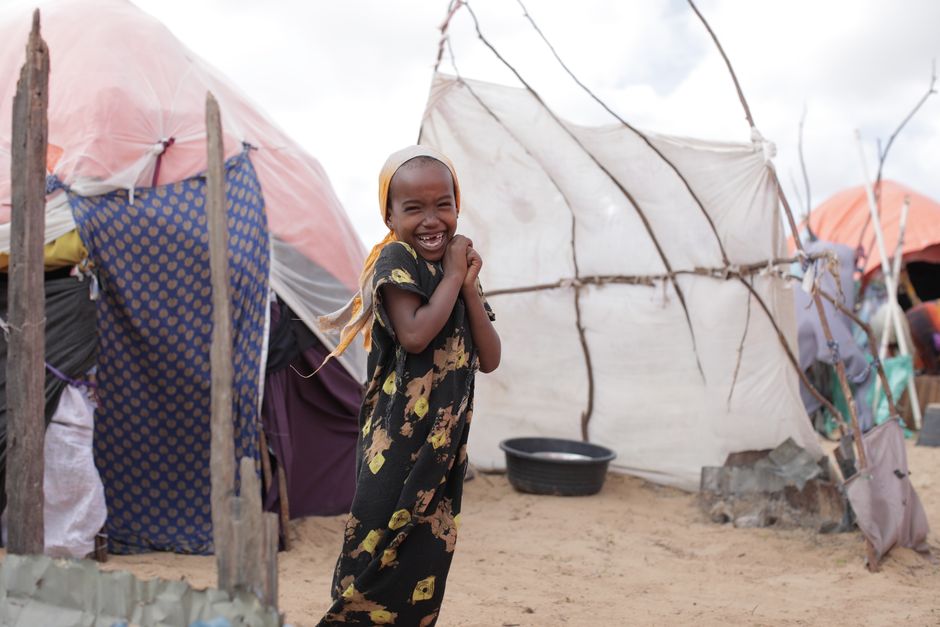
The geopolitical ramifications of a potential relapse into open conflict in Tigray extend far beyond Ethiopia's borders, directly threatening stability across the Red Sea maritime corridor and East African economic corridors. With international attention divided among multiple global theaters, diplomatic actors emphasize that unyielding adherence to constitutional dialogues and immediate humanitarian stabilization are vital to averting another catastrophic escalation.