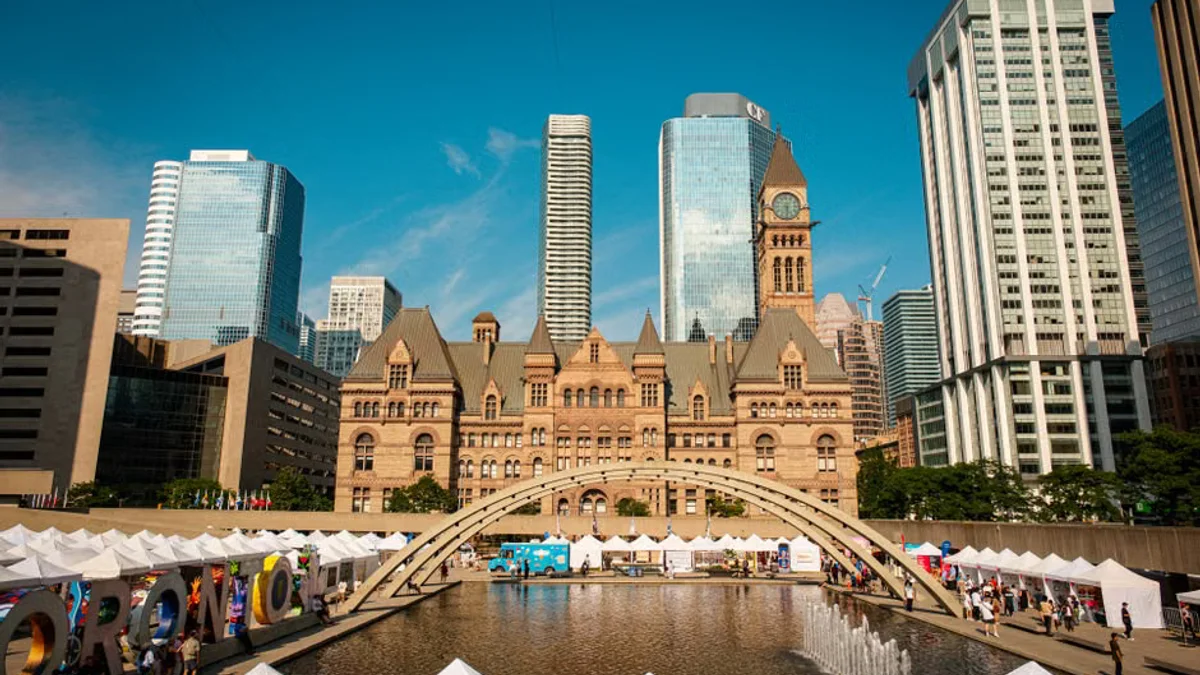
The political landscape in Canada's largest city is reaching fever pitch as the Toronto mayoral election enters its final stretch. Leading contenders squared off in a series of heated televised debates, focusing heavily on the city's persistent affordability crisis, escalating housing shortages, and the modernization of municipal public transit infrastructure.
With property taxes and municipal spending dominating voter concerns, candidates presented contrasting economic blueprints. Progressive contenders have advocated for increased investments in affordable housing developments and subsidized transit, funded through targeted property tax adjustments and provincial partnerships. Meanwhile, conservative hopefuls emphasized fiscal restraint, streamlined bureaucratic approvals, and public-private partnerships to stimulate private residential construction.
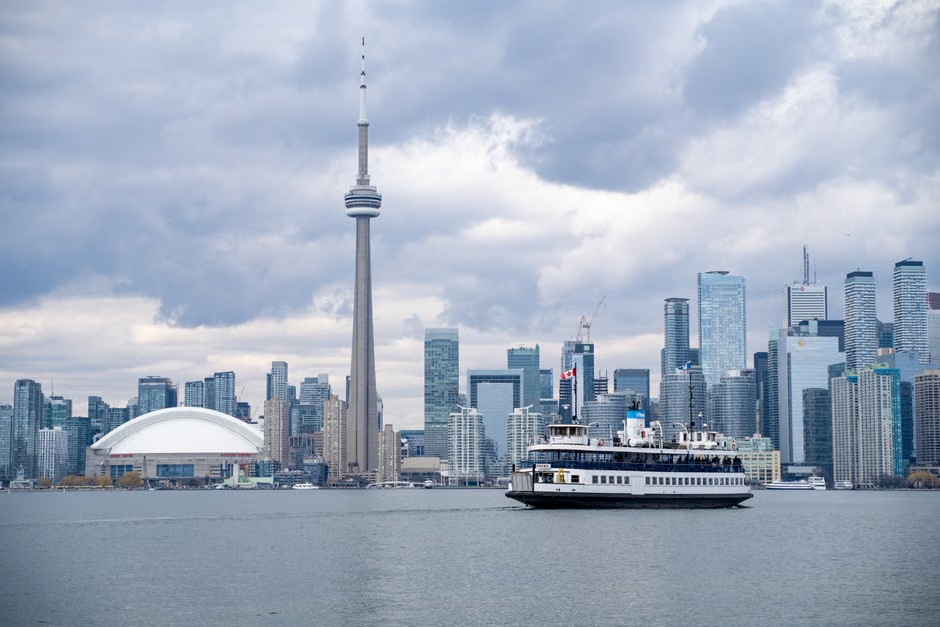
Political analysts note that voter turnout will likely hinge on suburban participation and downtown renters mobilized by the cost-of-living crunch. Municipal governance experts emphasize that the outcome of this election will set an important precedent for Canadian urban policy, particularly regarding how major metropolitan centers address infrastructure deficits amid rapid population growth.
Campaign offices reported record volunteer engagement and fundraising milestones over the past week. As election day approaches, final polling suggests a tight race with undecided voters holding the balance of power.
Key Highlights
- Toronto mayoral candidates clash over housing affordability and public transit expansion.
- Debates center on municipal taxation, fiscal restraint, and urban development strategies.
- High voter engagement reflects deep public concern over cost-of-living pressures.

The incoming mayor will inherit complex administrative challenges that require collaborative federal-provincial coordination to secure Toronto's long-term economic prosperity.