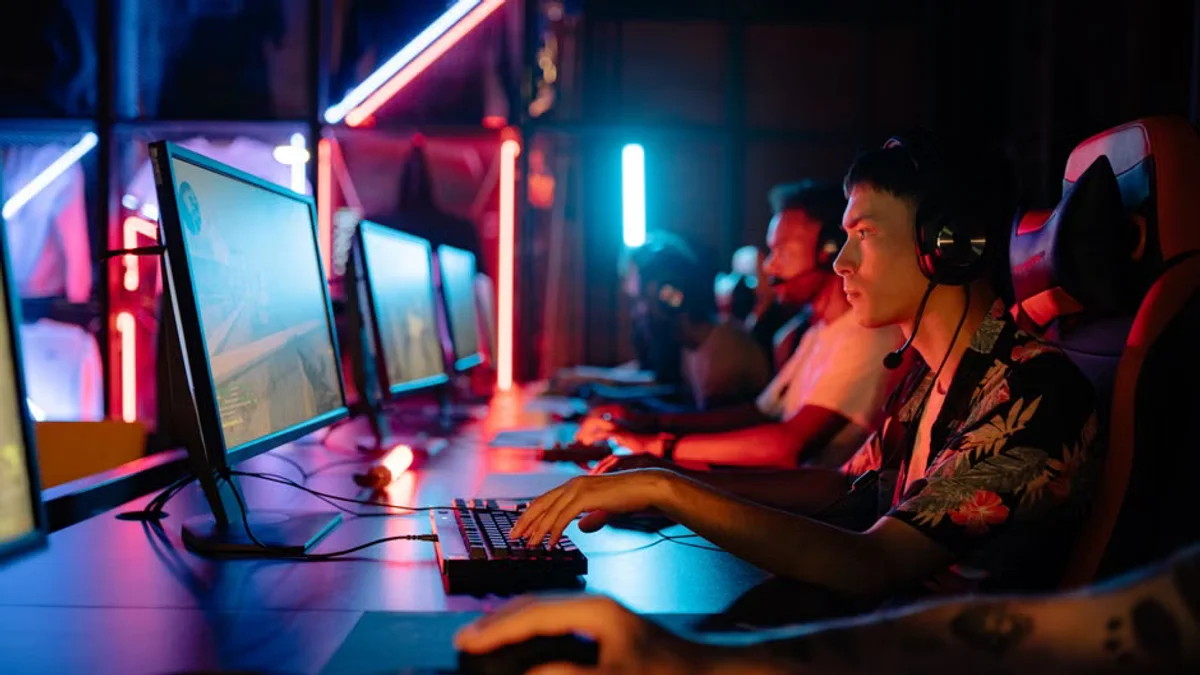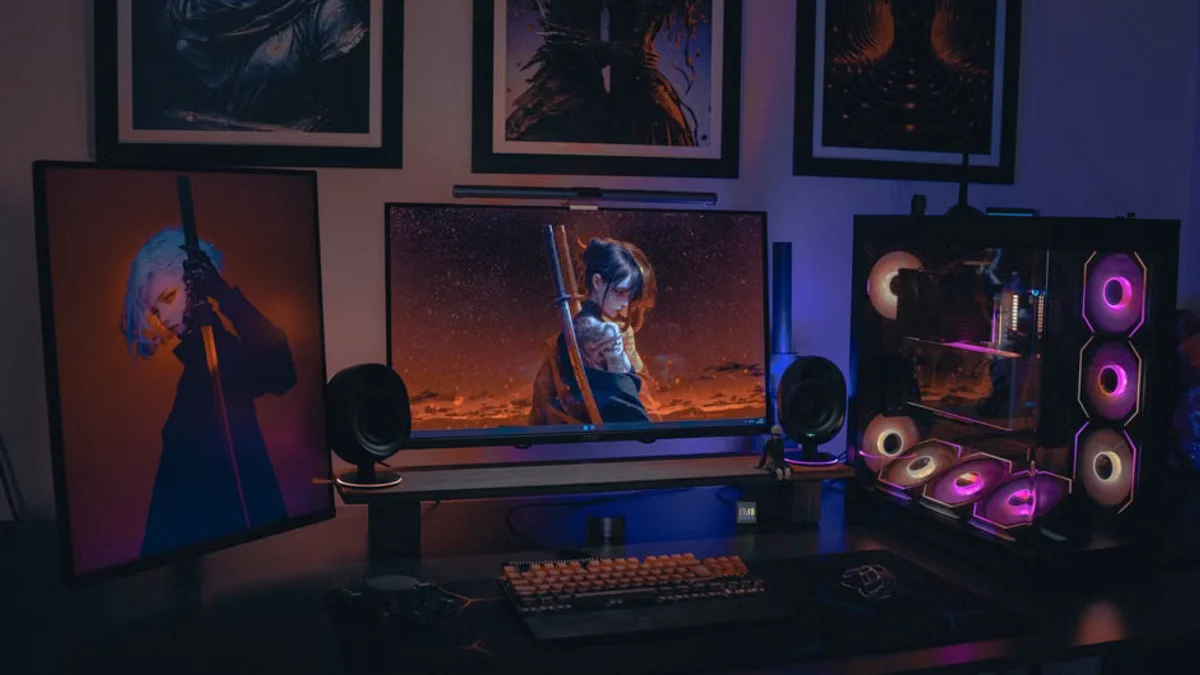
The gaming industry continues to hold its collective breath as speculation surrounding the PC release of Grand Theft Auto VI reaches a fever pitch. While Rockstar Games, a subsidiary of Take-Two Interactive, officially announced the title for PlayStation 5 and Xbox Series X/S with a targeted 2025 launch window, the conspicuous absence of a PC version has sparked intense debate across digital forums and financial markets alike.
Historically, Rockstar has maintained a staggered release strategy for its marquee franchises. Both Grand Theft Auto V and Red Dead Redemption 2 debuted first on consoles before making their way to personal computers months or even years later. This delayed rollout has historically allowed the developer to capitalize on double-dipping, where dedicated fans purchase the game multiple times across different hardware generations. However, the PC gaming ecosystem has expanded exponentially since 2013, boasting hardware configurations that often outpace current-generation home consoles.
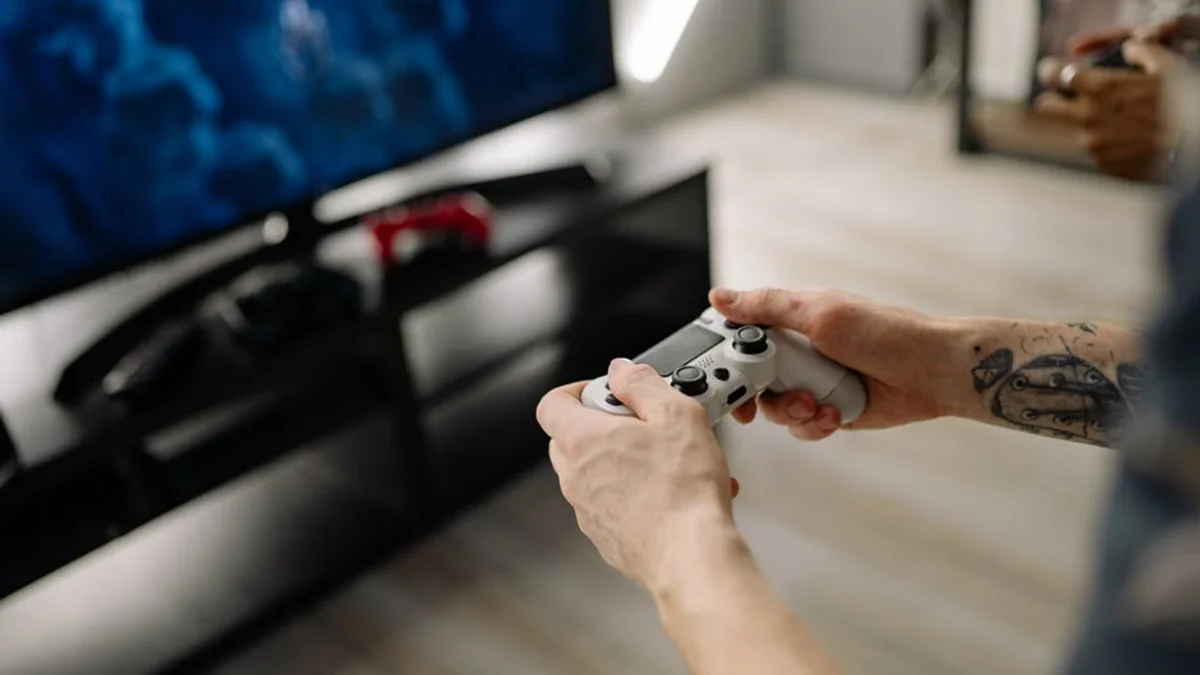
Financial analysts following Take-Two Interactive note that a PC announcement could act as a secondary catalyst for stock valuation once the initial console wave stabilizes. Industry insiders suggest that optimization challenges for the complex physics engines and sprawling open-world dynamics of Leonida—the game's fictionalized setting inspired by Florida—require extensive development time beyond the console iterations. Despite the lack of an official confirmation, hardware manufacturers are already positioning their marketing campaigns around the eventual hardware demands of playing the game at maximum fidelity.
Key Highlights
- Rockstar Games has confirmed console releases for 2025 while keeping PC details under wraps.
- Historical release patterns suggest a potential delayed PC port following the console debut.
- The massive scale of Leonida demands significant graphical and computational optimization.
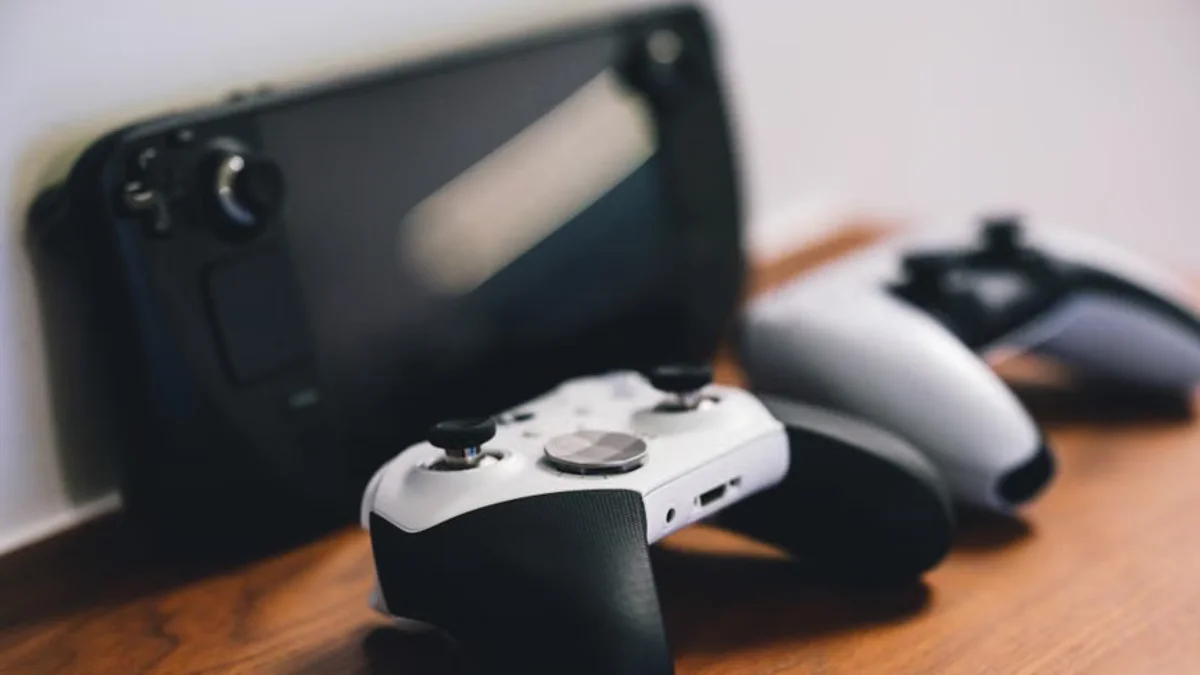
Ultimately, whether the wait extends into 2026 or beyond, Grand Theft Auto VI is poised to shatter records across every platform it touches, reinforcing its status as the most anticipated cultural artifact of the decade.