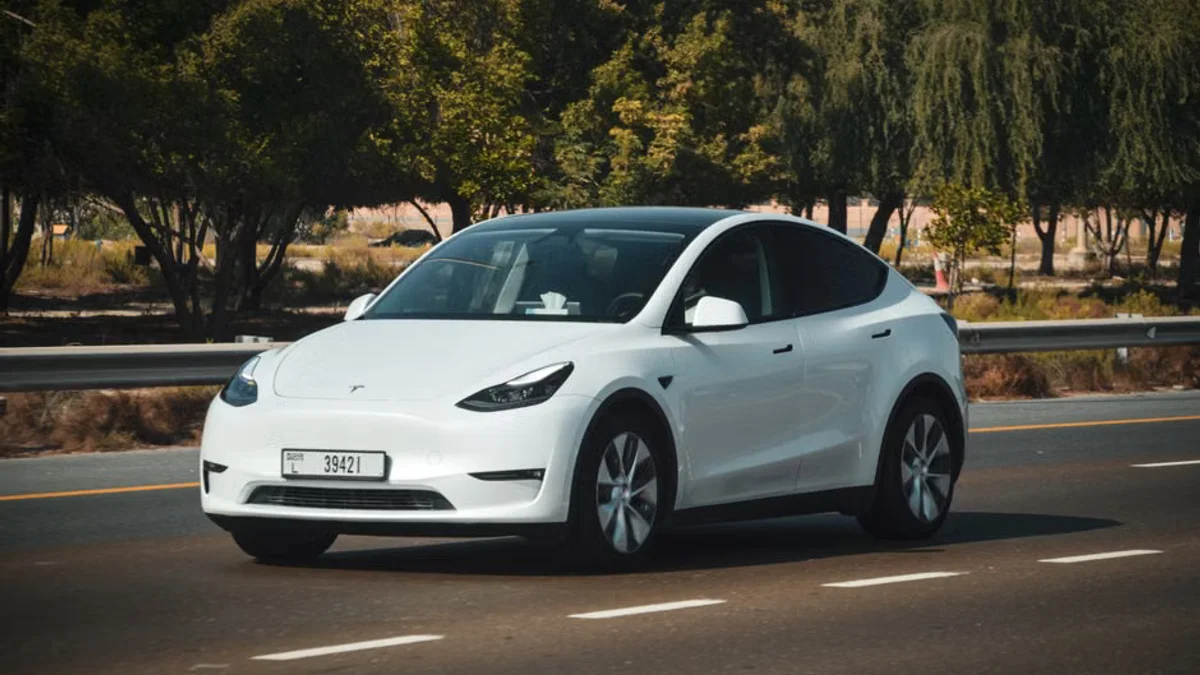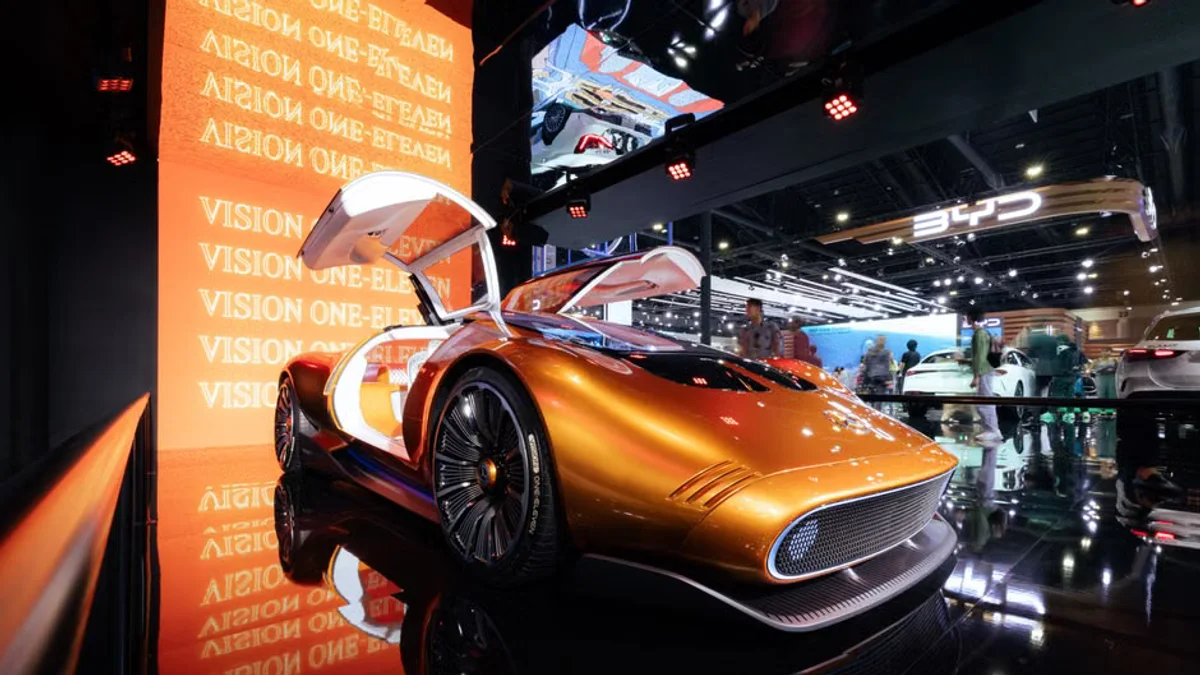
In an event that immediately captivated global technology watchers and automotive enthusiasts alike, Tesla CEO Elon Musk unveiled a radical new version of the Tesla Roadster equipped with flight capabilities. The demonstration, broadcast live to millions around the world, showcased the vehicle hovering several feet above the ground in a carefully orchestrated display that blurred the lines between science fiction and automotive engineering.
'Well, it worked,' Musk remarked casually to an ecstatic audience of investors, engineers, and media representatives after the successful demonstration. The unveiling comes after years of speculation, broken promises on release dates, and intense skepticism from traditional automotive engineers who questioned the feasibility of integrating aerospace propulsion systems into a consumer electric vehicle.
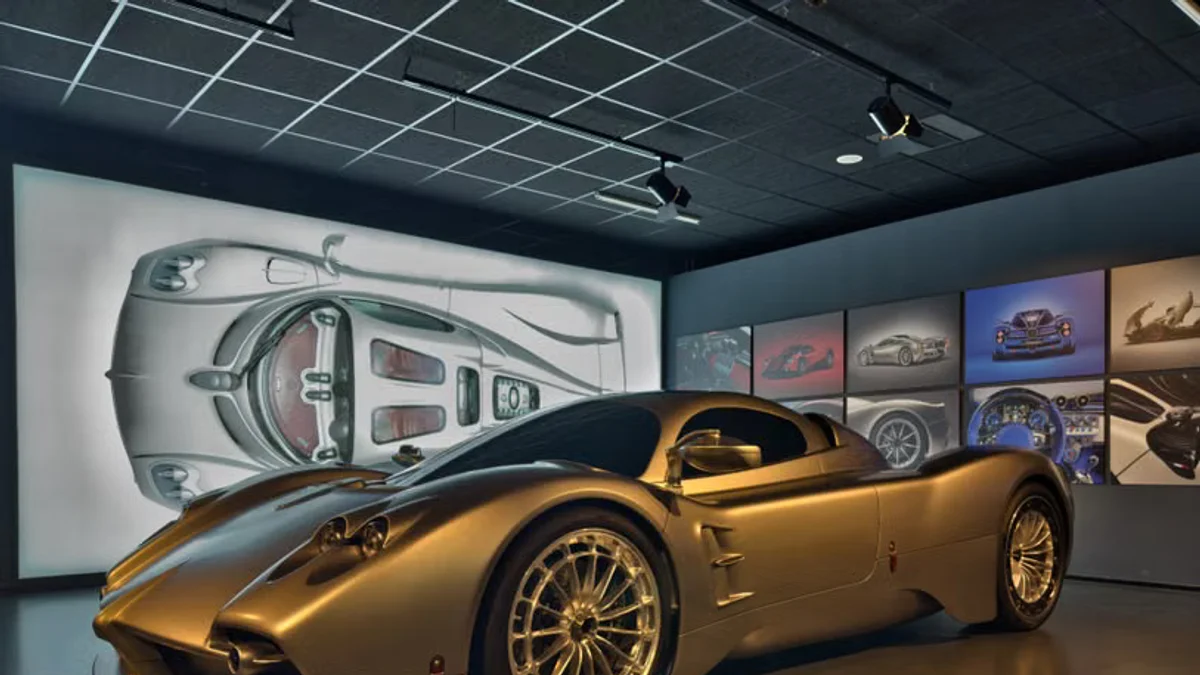
According to preliminary specifications detailed during the presentation, the new Roadster utilizes cold gas thrusters—a technology borrowed directly from SpaceX rocket engineering—to achieve short-duration hovering and enhanced acceleration. Safety regulators have already expressed keen interest in reviewing the vehicle's propulsion controls, noting that consumer deployment of flight-capable road vehicles will require entirely new regulatory frameworks.
Industry analysts are divided on the commercial viability and timeline of the vehicle. While some view the flying Roadster as an ingenious marketing masterstroke that cements Tesla's dominance in technological innovation, others remain cautious about production hurdles, battery weight distribution, and exorbitant insurance costs.
Key Highlights
- Tesla unveils a new Roadster variant featuring SpaceX-derived cold gas thrusters.
- The vehicle successfully demonstrated short-duration hovering during a live global stream.
- Automotive regulators face unprecedented challenges regarding road-to-flight certification.
As Tesla prepares for limited production runs, the announcement marks a monumental psychological shift in personal transportation, pushing the boundaries of what consumers expect from electric mobility in the 21st century.