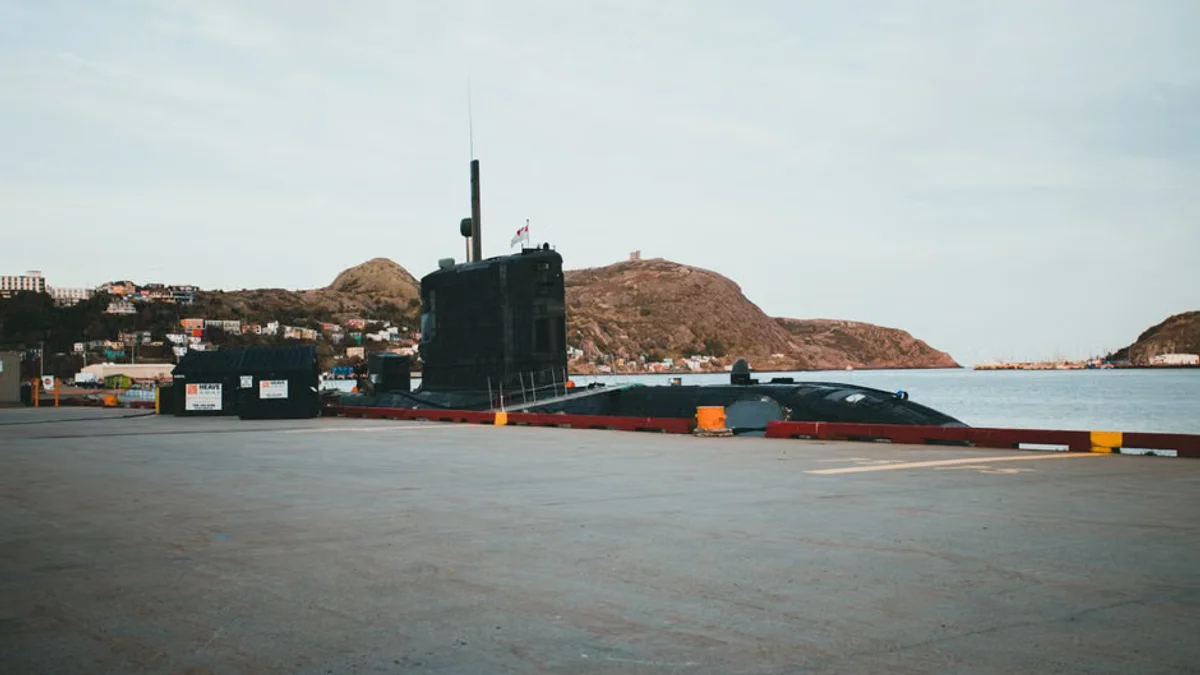
London — In a significant modernization push, the United Kingdom's defense sector is accelerating the integration and deployment of advanced Unmanned Surface Vehicles (USVs) across naval operations. Driven by evolving geopolitical tensions and the rapid maturation of artificial intelligence, autonomous marine systems are swiftly becoming a cornerstone of modern maritime strategy.
Defense officials highlighted that these cutting-edge autonomous vessels are designed to undertake high-risk missions, including minesweeping, reconnaissance, and coastal surveillance, thereby reducing the exposure of human personnel to hostile environments. Equipped with state-of-the-art sensors, encrypted satellite communications, and AI-driven navigation capabilities, the latest generation of USVs can operate autonomously for extended periods across turbulent open waters.
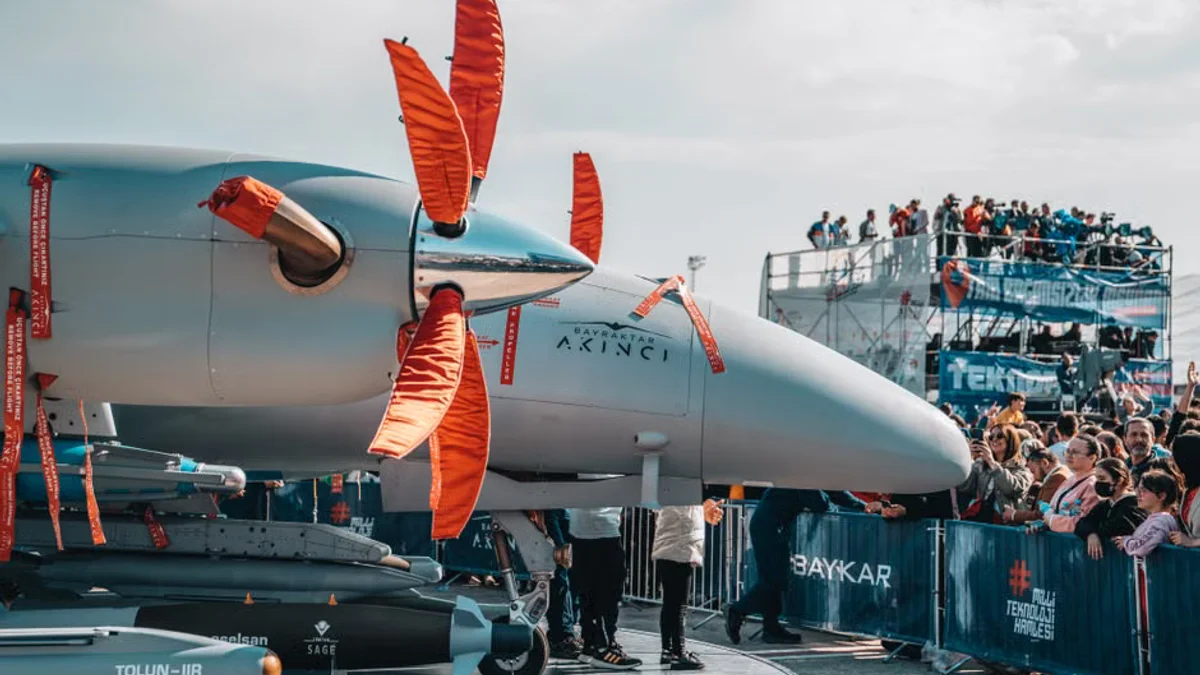
The strategic pivot aligns with recent investments made by NATO allies into scalable, cost-effective defense technologies. Traditional naval fleets, while indispensable, are increasingly complemented by agile drone networks capable of swarming tactics and real-time data relay. Industry partners and defense contractors in the UK are currently scaling up manufacturing capacity to meet rising procurement demands.
Military analysts note that the proliferation of USVs fundamentally alters the economics of naval warfare. Deploying autonomous hulls offers a fraction of the cost associated with traditional crewed destroyers and frigates while providing unprecedented operational flexibility. As testing phases conclude, the Royal Navy anticipates full operational integration of these platforms within key strategic maritime sectors over the coming fiscal year.
Key Highlights
- UK accelerates the procurement and deployment of advanced Unmanned Surface Vehicles.
- New autonomous vessels target reconnaissance, surveillance, and mine clearance missions.
- Strategic shift mirrors broader NATO investments in AI-driven military hardware.

The successful integration of autonomous surface fleets will ultimately redefine how maritime security and power projection are maintained in an increasingly contested geopolitical landscape.