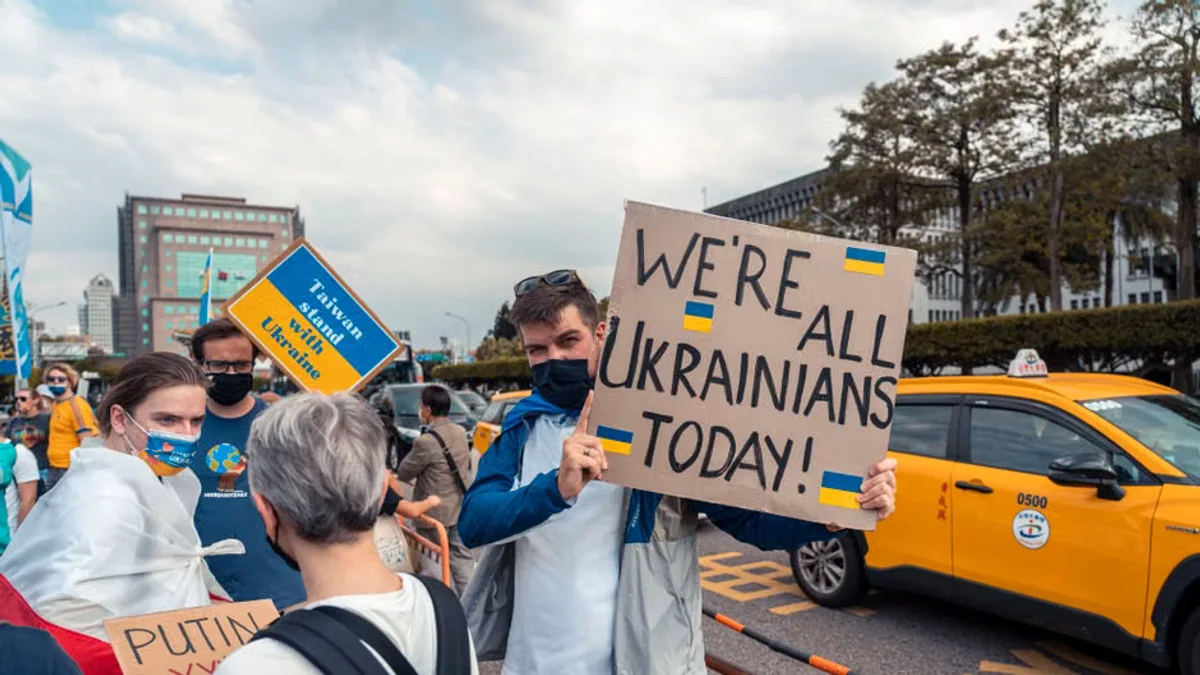
Political turmoil has gripped Albania as Prime Minister Edi Rama staunchly refused to bow to mounting pressure for his resignation, following escalating street protests led by university students in Tirana. The demonstrations, which turned violent in parts of the capital, highlight deep-seated public grievances regarding economic hardship, governance, and institutional corruption.
Clashes broke out outside government buildings as protesters hurled smoke bombs and debris, prompting security forces to deploy crowd control measures. Student leaders have vowed to sustain their mobilization until their demands—including increased educational funding and governmental accountability—are met by authorities.
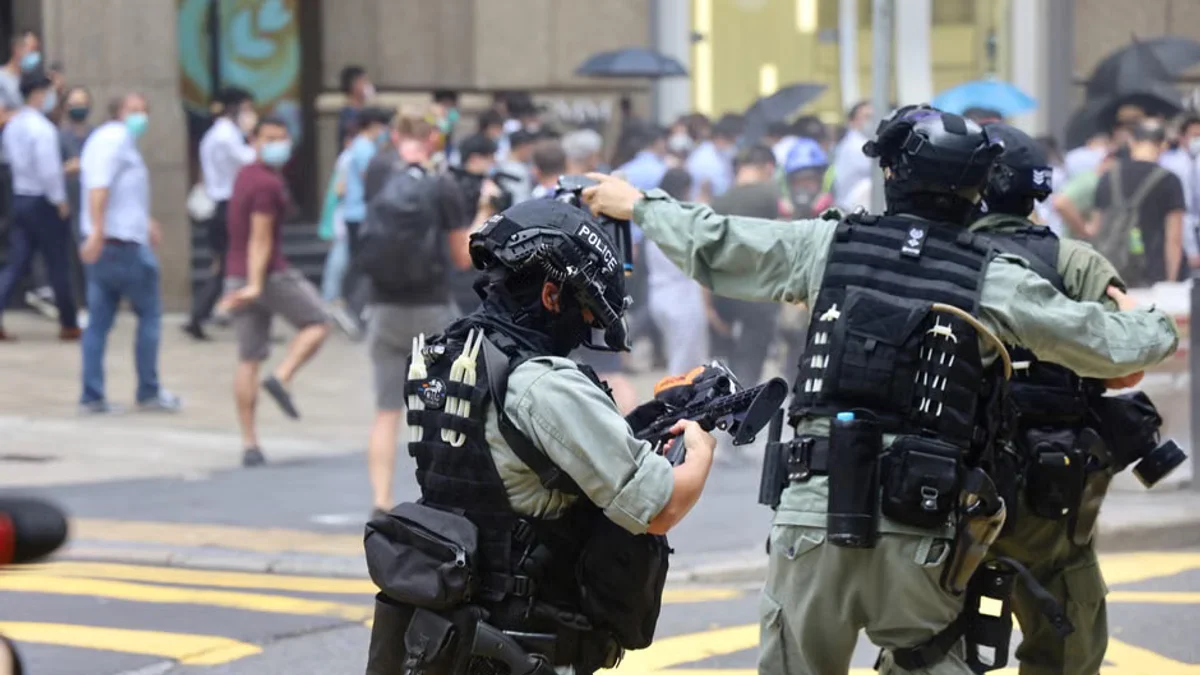
International observers and European Union officials are closely monitoring the situation in Tirana, emphasizing the importance of peaceful assembly and democratic dialogue. Albania's path toward European integration heavily depends on maintaining political stability and upholding the rule of law during periods of domestic crisis.
Key Highlights
- Albanian Prime Minister rejects resignation calls amid intense student protests in Tirana.
- Clashes between demonstrators and police lead to property damage and heightened security measures.
- International monitors urge calm and constructive dialogue to resolve the political standoff.
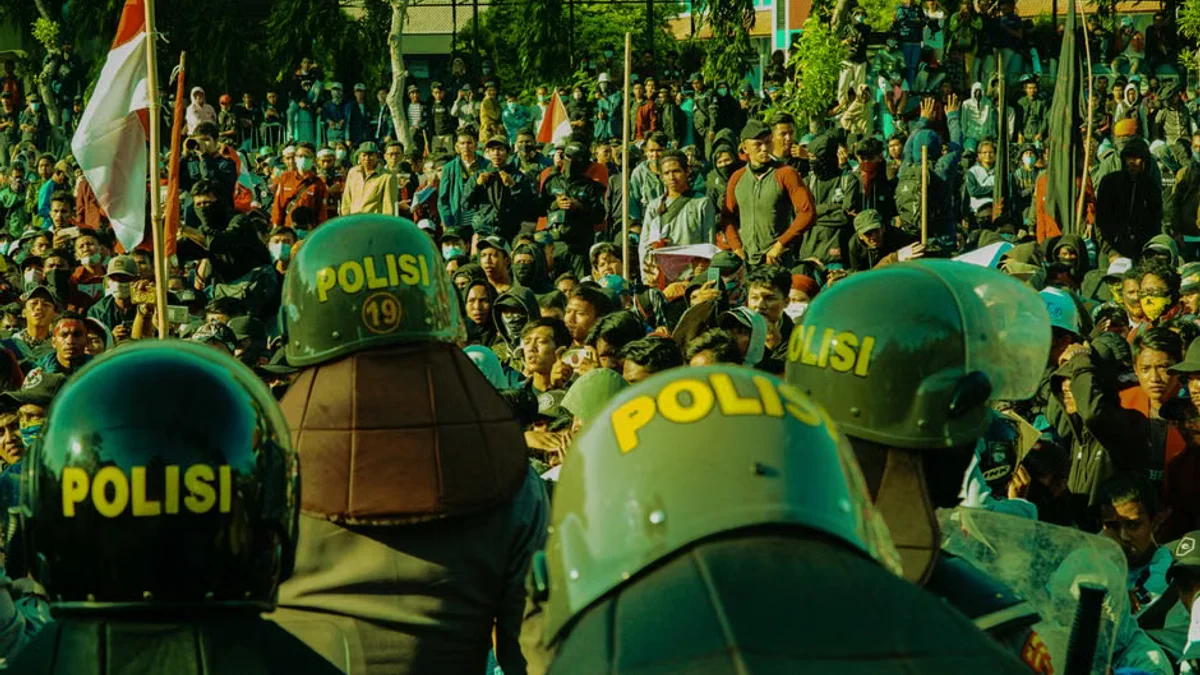
As the standoff persists, the Albanian government faces mounting pressure to address core public grievances while restoring calm to the nation's capital.