In a significant intervention in national economic policy, Greater Manchester Mayor Andy Burnham has called for a pragmatic reassessment of the United Kingdom's trading and diplomatic relationship with the European Union. Speaking at a major regional policy forum, Burnham argued that the current post-Brexit economic arrangements are placing unnecessary administrative and financial burdens on British exporters, particularly within the manufacturing and logistics sectors.
Burnham’s intervention comes at a delicate time for Westminster politics, as both major political parties navigate the fine line between respecting the 2016 referendum result and addressing the palpable economic headwinds facing British businesses. By advocating for a structured, sector-by-sector approach to regulatory alignment with Brussels, Burnham aims to unlock smoother cross-border trade without reigniting the divisive constitutional battles of the past decade.
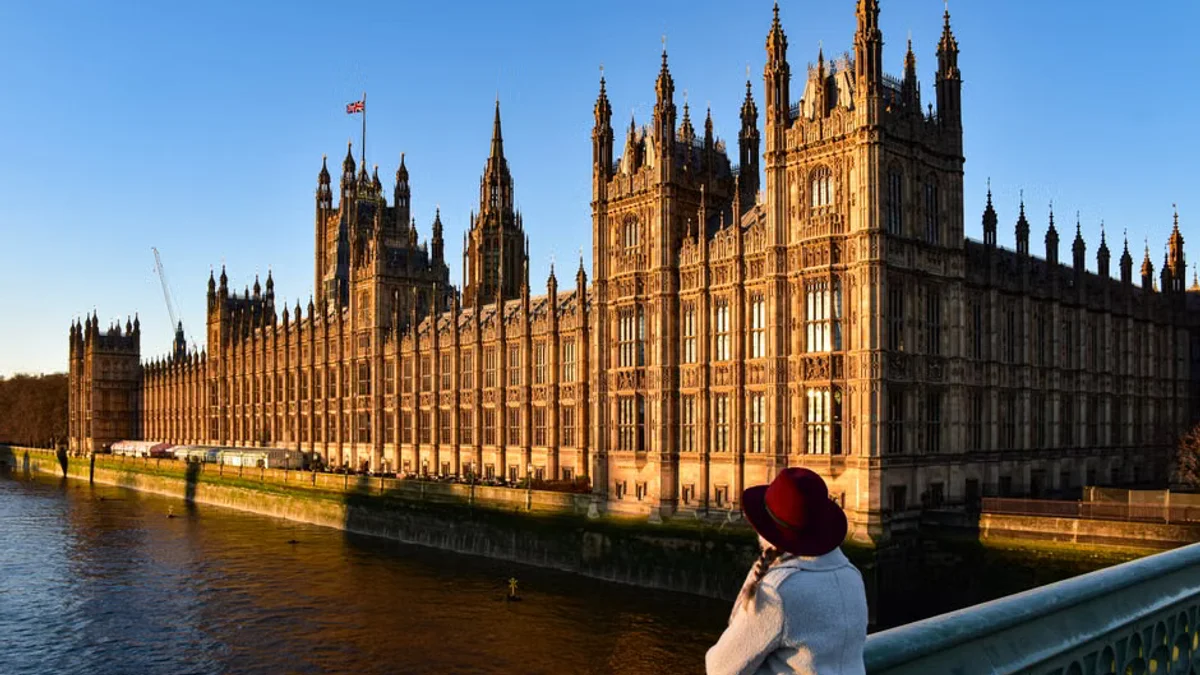
Business leaders and chambers of commerce across the North of England have largely welcomed the discussion, pointing to chronic labor shortages and supply chain friction as primary obstacles to sustained recovery. However, critics within the Conservative Party and hard-line Eurosceptic factions have cautioned against any measures that could compromise British regulatory sovereignty or signal a return to European single market jurisdiction.
Key Highlights
- Andy Burnham advocates for closer economic cooperation and regulatory alignment with the EU.
- Northern business leaders cite post-Brexit trade friction as a major barrier to regional growth.
- The intervention highlights ongoing political tensions surrounding the UK's long-term European strategy.
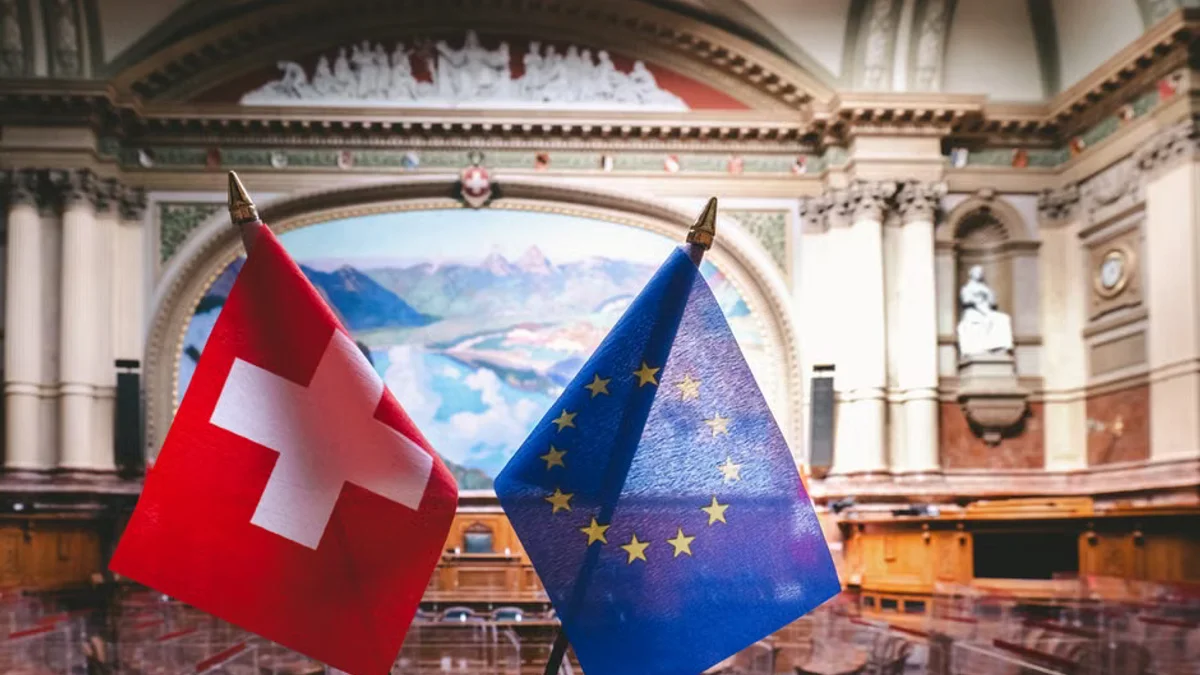
As the debate evolves, local municipal leaders are increasingly asserting their influence on national trade policy, emphasizing that regional economic vitality is inextricably linked to international commerce.