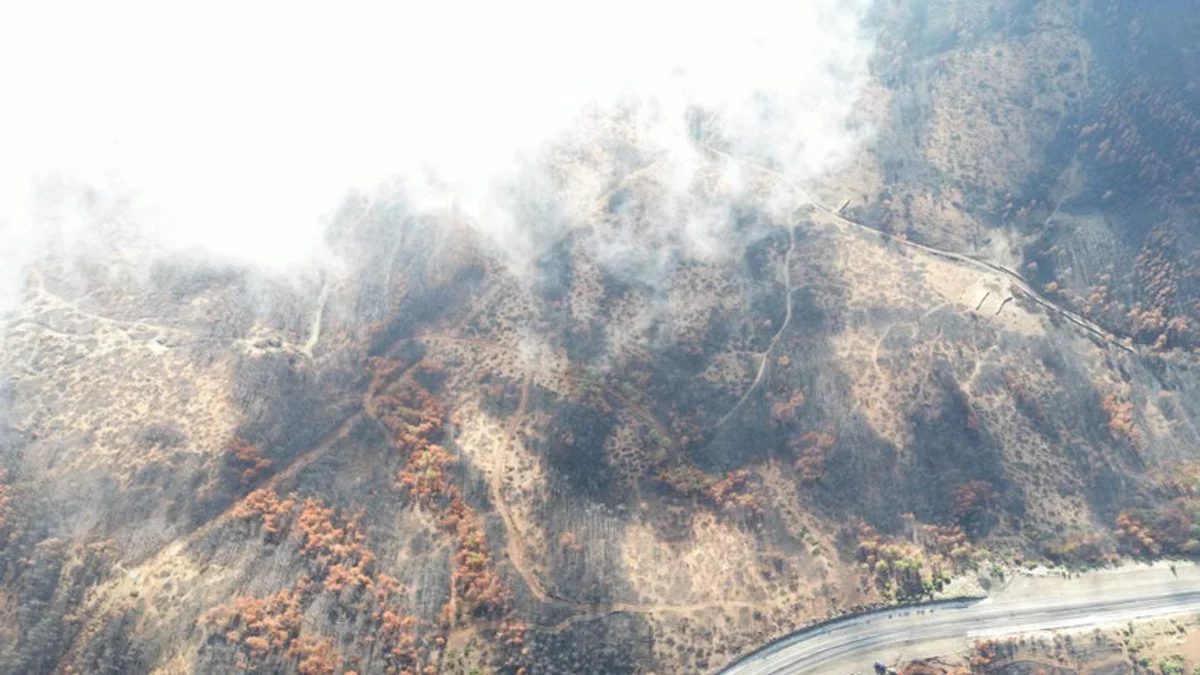
Amid intensifying regional scrutiny over transboundary haze and environmental degradation, agribusiness major First Resources has released a detailed statement attributing recent hotspots detected in its Kalimantan concessions to extreme El Nino weather conditions and illegal outside fires encroaching upon its boundaries. The company maintains that its sustainable agricultural practices and strict zero-burning policies remain fully enforced across all managed estates.
The recurrence of dry spells associated with the El Nino phenomenon has significantly elevated fire risks across Southeast Asia's peatland and forest ecosystems. Environmental watchdogs and regulatory agencies in Singapore and Indonesia have intensified satellite monitoring and cross-border inspections to ensure compliance with regional environmental standards, holding plantation owners strictly accountable for air quality standards.

First Resources emphasized its deployment of advanced drone surveillance, community firefighting brigades, and rapid response units to suppress fires before they breach concession perimeters. However, industry stakeholders highlight the ongoing difficulty of managing remote tropical terrain where smallholder activities and complex land-tenure disputes frequently intersect with large-scale commercial plantations.
Regional environmental ministers continue to urge enhanced bilateral cooperation and data sharing to mitigate haze episodes before they severely impact public health and urban economic activity across Singapore and neighboring territories. Strict enforcement mechanisms and transparent corporate accountability remain essential pillars in resolving the recurring ecological challenge.
Key Highlights
- First Resources blamed El Nino weather patterns and external fires for Kalimantan environmental hotspots.
- The company reiterated adherence to strict zero-burning policies and sustainable agricultural practices.
- Regional authorities have ramped up satellite monitoring and cross-border environmental inspections.

Mitigating the threat of transboundary haze requires sustained cross-border collaboration, rigorous corporate compliance, and advanced climate adaptation strategies across Southeast Asia.