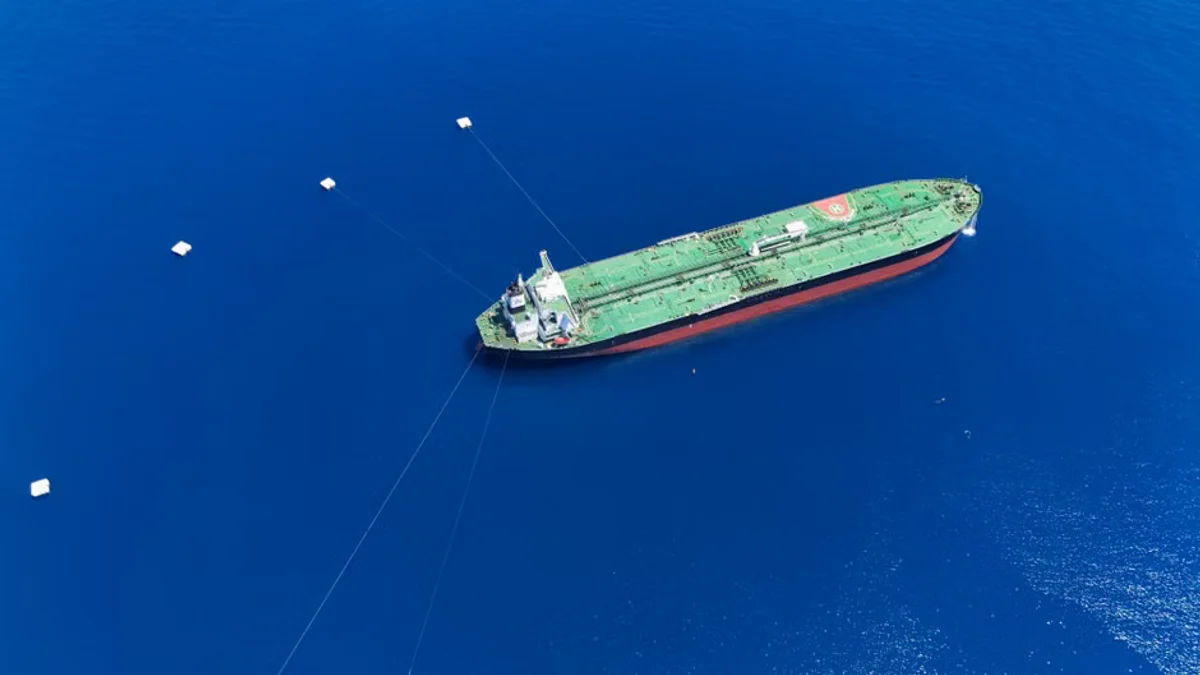
In an assertive strategic gambit designed to project sovereign leverage over international commerce, the Islamic Republic of Iran is escalating aggressive naval patrols and surveillance operations across the Strait of Hormuz and the wider Persian Gulf basin. The maneuver follows an extended period wherein Gulf oil exporters diversified maritime transit avenues, diminishing Tehran's historic chokehold over global petroleum corridors.
According to maritime tracking organizations and United States Central Command (CENTCOM), the Islamic Revolutionary Guard Corps Navy (IRGCN) has deployed fast-attack missile craft, loitering aerial munitions, and electronic jamming systems near vital international shipping corridors. The maneuvers appear explicitly structured to signal that any commercial vessels transiting through the Gulf remain vulnerable to boarding, harassment, or seizure.

Energy market strategists note that Saudi Arabia and the United Arab Emirates have expanded overland pipelines bypassing the Strait to Red Sea and Gulf of Oman terminals. In response, Iranian leadership is recalibrating its asymmetric naval playbook, seeking to ensure that international maritime insurance premiums remain elevated and Western military coalitions stay pinned in regional waters.
Key Highlights
- IRGC Navy intensifies surveillance and fast-attack boat drills near international tanker lanes.
- Move counters regional energy diversification away from vulnerable Persian Gulf routes.
- US Navy and Combined Maritime Forces elevate maritime alert status across Gulf waters.

The escalation comes against the backdrop of strained diplomatic communications between Washington and Tehran regarding nuclear oversight and regional proxy activities. International trade bodies and energy conglomerates are closely monitoring Brent crude futures, with analysts warning that any kinetic friction in the Strait of Hormuz could rapidly inject geopolitical volatility into global financial markets.