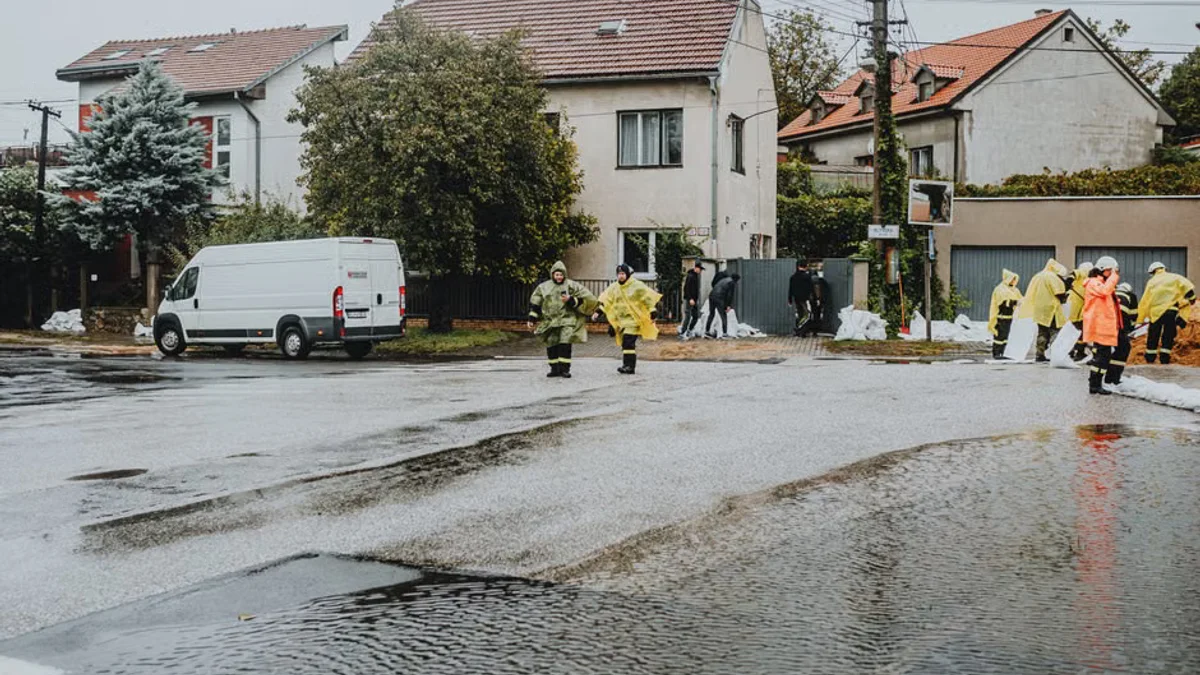
Rescue forces across Nepal worked urgently through mud-laden terrain on Monday following relentless late-monsoon rainfall that triggered massive landslides and flash floods, killing more than 200 people and leaving scores unaccounted for. The capital city of Kathmandu witnessed catastrophic inundation as rivers breached concrete embankments, submerging southern neighborhoods and sweeping away critical infrastructure, bridges, and residences.
National emergency authorities deployed the Nepalese Army, Armed Police Force, and civilian volunteers to carry out boat and helicopter evacuations of stranded residents stranded on rooftops. Key arterial highways linking Kathmandu to surrounding districts were severed by severe mud avalanches along mountainous transit corridors, stranding thousands of travelers and interrupting emergency medical deliveries.

Meteorologists noted that the unprecedented deluge dumped hundreds of millimeters of water in less than 48 hours, catching municipalities underprepared during what is typically the tail end of the annual monsoon cycle. Environmental scientists pointed to the accelerating consequences of global climate change in the Himalayan basin, where erratic weather patterns, altered atmospheric moisture currents, and unregulated urban construction have amplified the lethal potential of natural precipitation events.
International aid agencies, including United Nations humanitarian branches and the International Red Cross, have initiated emergency supply mobilizations to prevent waterborne disease outbreaks in makeshift relief shelters. The government has declared multi-day national mourning while dispatching engineering corps to restore vital power grids and clear primary transit corridors essential for humanitarian relief operations.
Key Highlights
- Confirmed death toll from severe flooding and landslides in Nepal surpassed 200 individuals.
- Kathmandu valley suffered historic urban flooding as major rivers surged over flood barriers.
- Vital arterial highways and transportation links into the capital remain obstructed by landslides.
- Climate scientists warn of heightened regional vulnerability to volatile weather extremes across South Asia.

The calamity emphasizes the urgent requirement for regional disaster preparedness investments and climate resilience financing across South Asia's mountain communities.