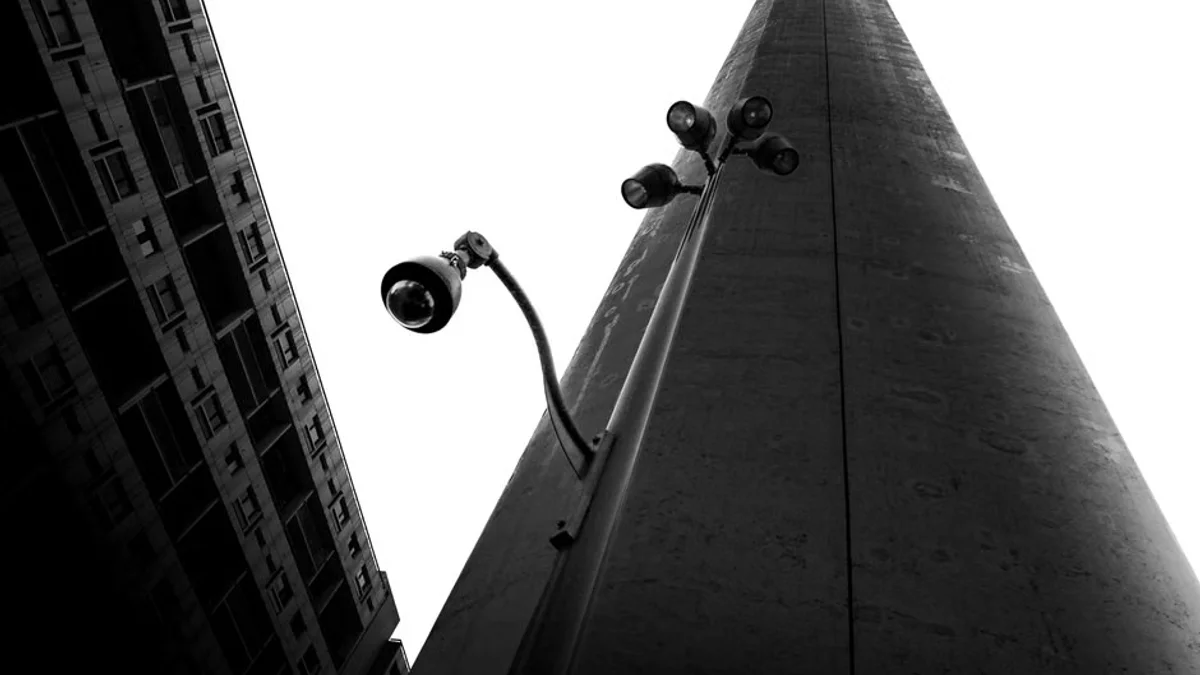
TORONTO — Civil rights advocates and legal scholars across Canada have amplified calls for stricter legislative oversight regarding the deployment of advanced public surveillance systems. Recent disclosures concerning municipal law enforcement agencies utilizing facial recognition software and automated tracking tools have triggered intense public debate over civil liberties and digital privacy rights.
Federal privacy commissioners have initiated preliminary inquiries into data retention practices, questioning whether current legal frameworks adequately protect citizens from unwarranted intrusion. Proponents of the technology argue that enhanced monitoring capabilities are essential for crime prevention, public safety, and infrastructure management in densely populated urban centers.

However, privacy watchdogs contend that without transparent governance, independent audits, and strict limitations on data sharing, public trust will erode. Parliamentarians are currently reviewing proposed amendments to federal privacy legislation, with advocacy groups demanding stringent penalties for unauthorized data collection and algorithmic bias.
Key Highlights
- Civil liberties groups demand stricter regulation of public surveillance tools.
- Law enforcement defends monitoring technologies as vital for public safety.
- Federal privacy commissioners launch inquiries into data retention and facial recognition.

The ongoing dialogue underscores the delicate balance between modern security requirements and the protection of foundational democratic freedoms.