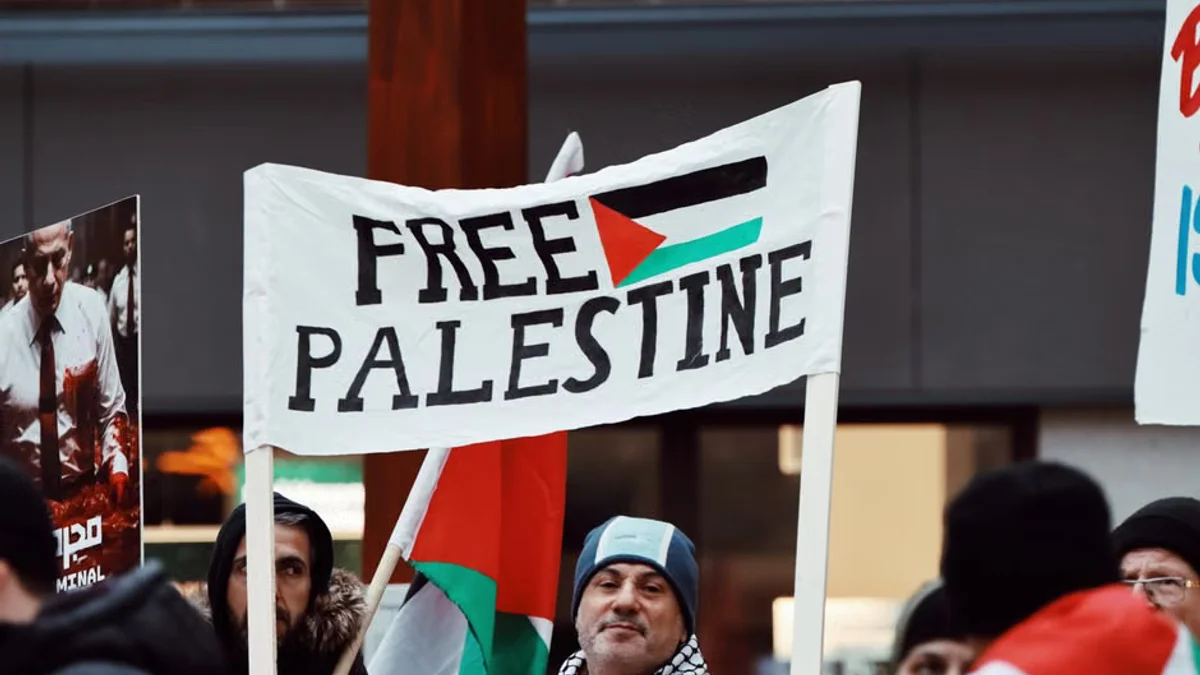
The intersection of literature and geopolitics has once again taken center stage as acclaimed Irish author Sally Rooney reportedly faces intense publishing resistance in the United Kingdom. Known for her best-selling contemporary novels such as *Normal People* and *Conversations with Friends*, Rooney has consistently leveraged her literary platform to advocate for Palestinian rights, including her high-profile decision to decline translating a previous book with an Israeli publishing house.
Literary agents and publishing insiders indicate that the current standoff stems from widening ideological fractures within the European publishing ecosystem. While Rooney commands an immensely loyal readership and critical acclaim globally, her staunch political positions have ignited fierce debates among British publishing executives, distributors, and bookstore chains regarding artistic freedom, corporate neutrality, and political expression.
Cultural commentators are deeply divided on the implications of the dispute. Supporters of Rooney argue that penalizing an author for political convictions sets a dangerous precedent for censorship and undermines the foundational principles of intellectual discourse. Conversely, detractors and institutional representatives point to complex commercial liabilities, international distribution logistics, and polarizing public sentiment as mitigating business factors.
As discussions between literary representatives and prospective U.K. publishing partners remain deadlocked, the controversy underscores the volatile climate facing contemporary artists who refuse to separate their creative output from their political conscience. The unfolding situation will likely be studied as a watershed moment in modern publishing ethics.
Key Highlights
- Sally Rooney encounters U.K. publishing roadblocks over her Palestine solidarity stance.
- Debate erupts across the literary world regarding author censorship and political activism.
- Previous translation boycotts continue to influence commercial relations with British distributors.

As the literary community watches closely, Rooney's case demonstrates that the written word remains a potent battleground for global conscience and ideological debate.