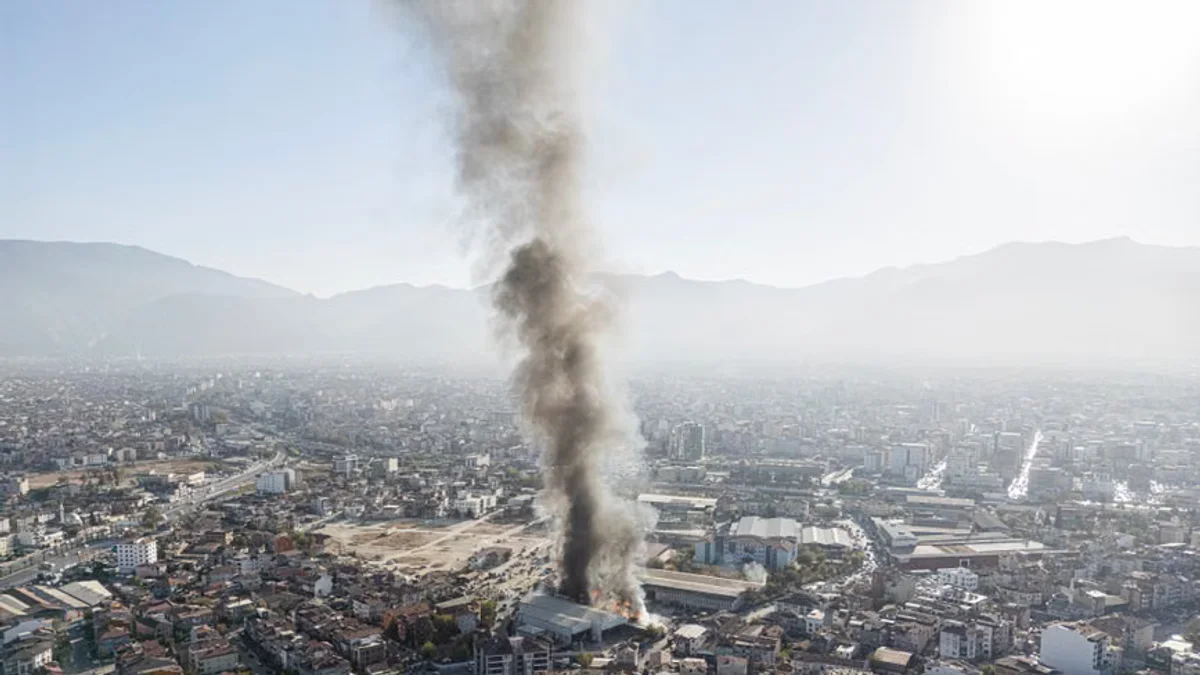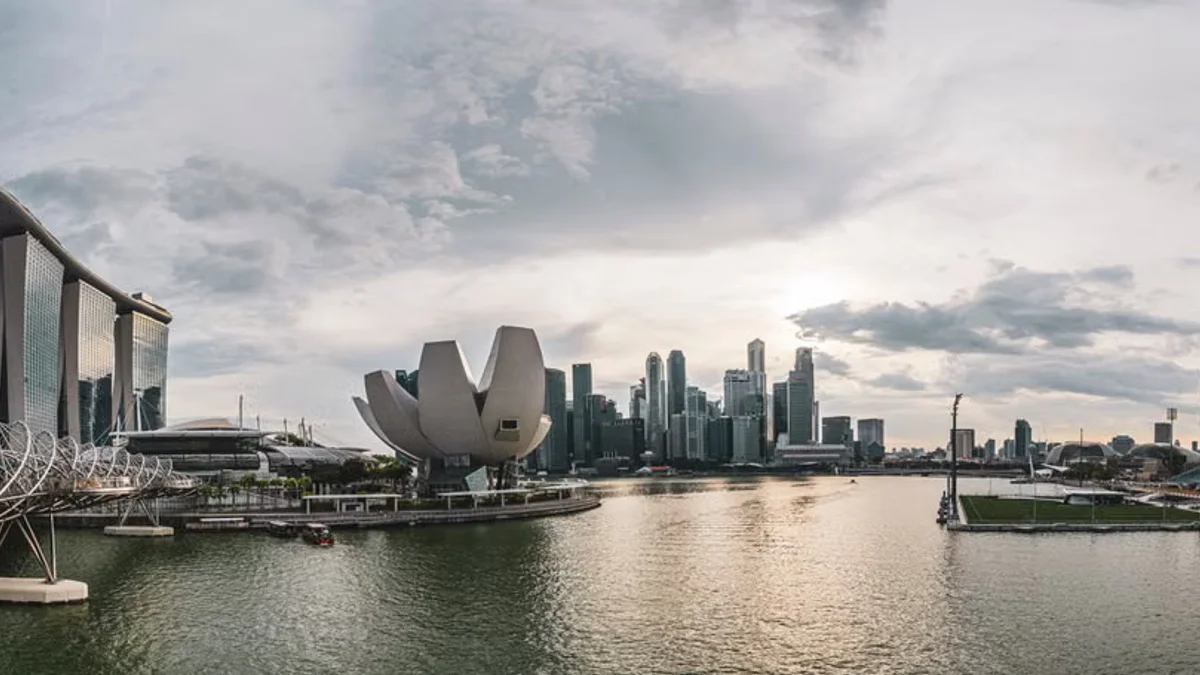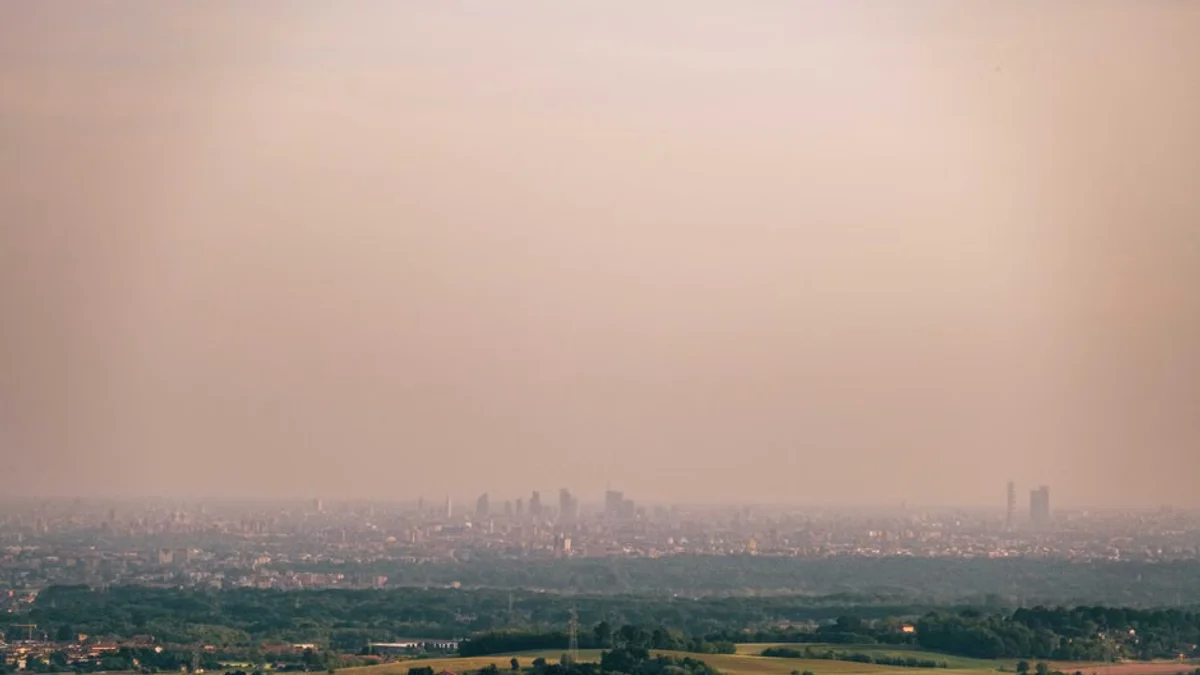
Singapore's environmental authorities reported sharply elevated pollutant standards index (PSI) levels on Thursday, driven by persistent transboundary smoke haze originating from regional forest fires. The National Environment Agency (NEA) noted that PM2.5 concentrations in the eastern and western sectors of the island reached very unhealthy thresholds, forcing citizens to don protective masks and alter daily outdoor routines.
The meteorological department attributes the sudden influx of smoke to shifting wind patterns carrying particulate matter from Sumatra and Kalimantan, where agricultural burning remains difficult to suppress despite intensifying regulatory pressure. In response, neighboring governments have faced mounting scrutiny over bilateral protocols designed to curb slash-and-burn clearing practices that routinely trigger seasonal environmental health emergencies across Southeast Asia.

Health officials have advised vulnerable populations—including the elderly, children, and those with pre-existing respiratory or cardiovascular conditions—to stay indoors and deploy air purifiers. Meanwhile, transport and tourism sectors are monitoring visibility levels closely, though major aviation hubs continue to operate without significant disruptions.
Key Highlights
- PM2.5 readings spiked into unhealthy and very unhealthy ranges across multiple districts in Singapore.
- Transboundary smoke is driven by shifting wind patterns carrying emissions from regional forest fires.
- Health ministries advise vulnerable groups to avoid prolonged outdoor exertion and utilize high-grade filtration.
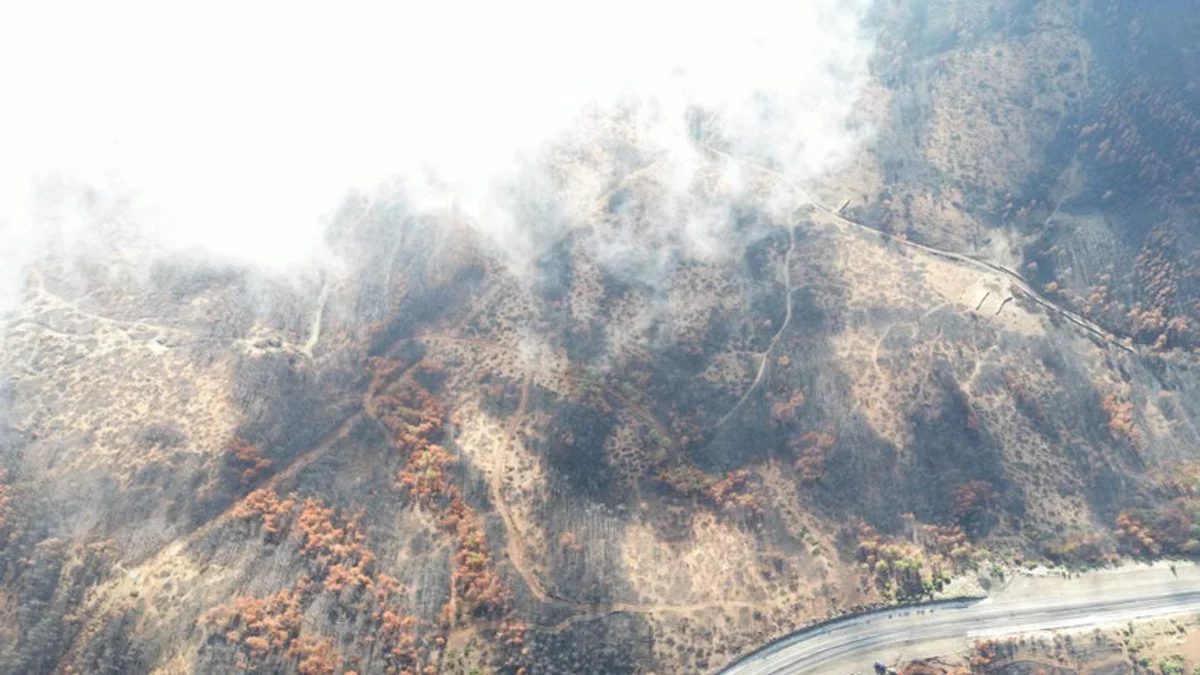
As regional ministers convene emergency talks to coordinate firefighting logistics, the ongoing crisis highlights the urgent need for long-term enforcement mechanisms to protect Southeast Asia's delicate ecological balance and public health.