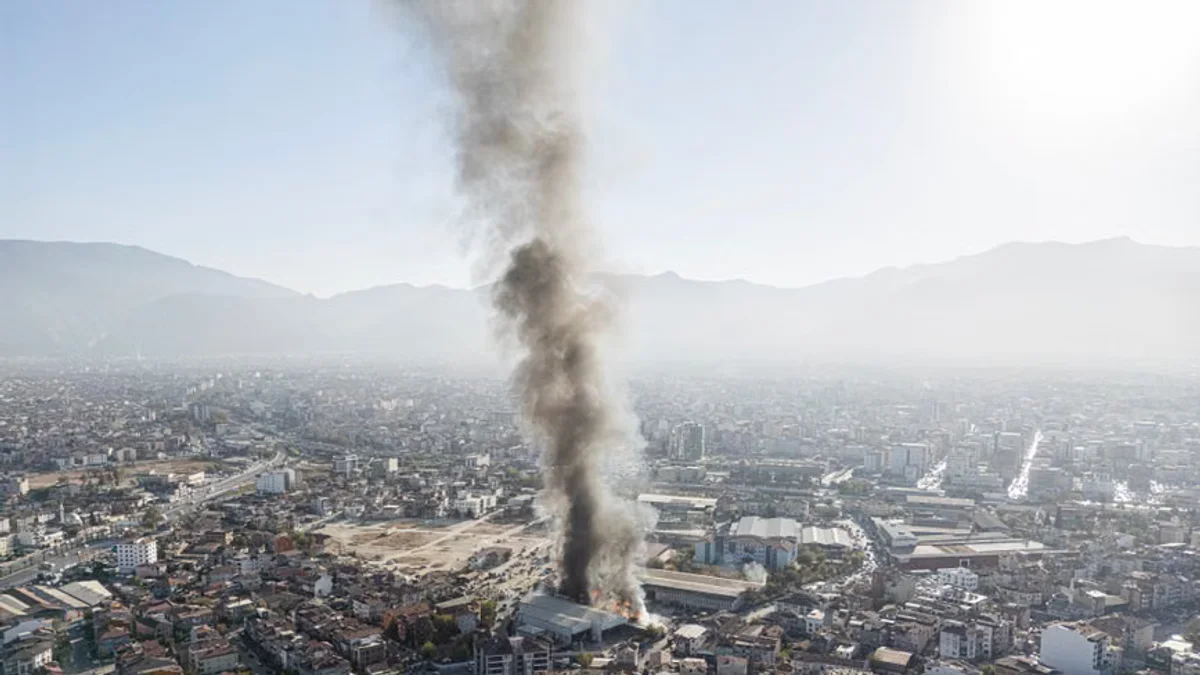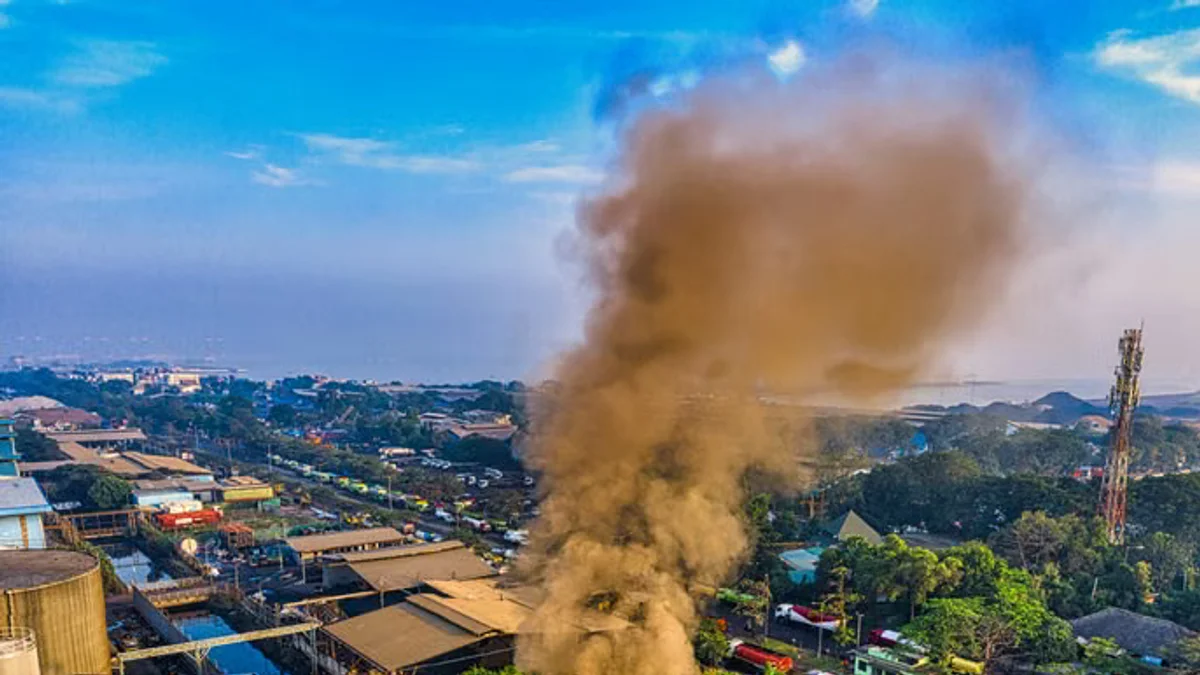
Singaporean environmental agencies have stepped up monitoring protocols and issued precautionary public health advisories following a sudden spike in air pollutant standards index (PSI) readings driven by regional transboundary haze. Meteorologists note that shifting wind patterns and persistent dry weather conditions across parts of Sumatra and Kalimantan have triggered active hotspots, carrying smoke plumes across the Malacca Strait.
The National Environment Agency (NEA) reported that while overall air quality remains largely in the moderate range, vulnerable segments of the population—including the elderly, young children, and individuals with chronic heart and lung conditions—should minimize prolonged outdoor exertion. Retail pharmacies have reported an immediate surge in demand for N95 respirators, air purifiers, and eye-drop supplies, mirroring proactive preparations seen during previous seasonal haze episodes.
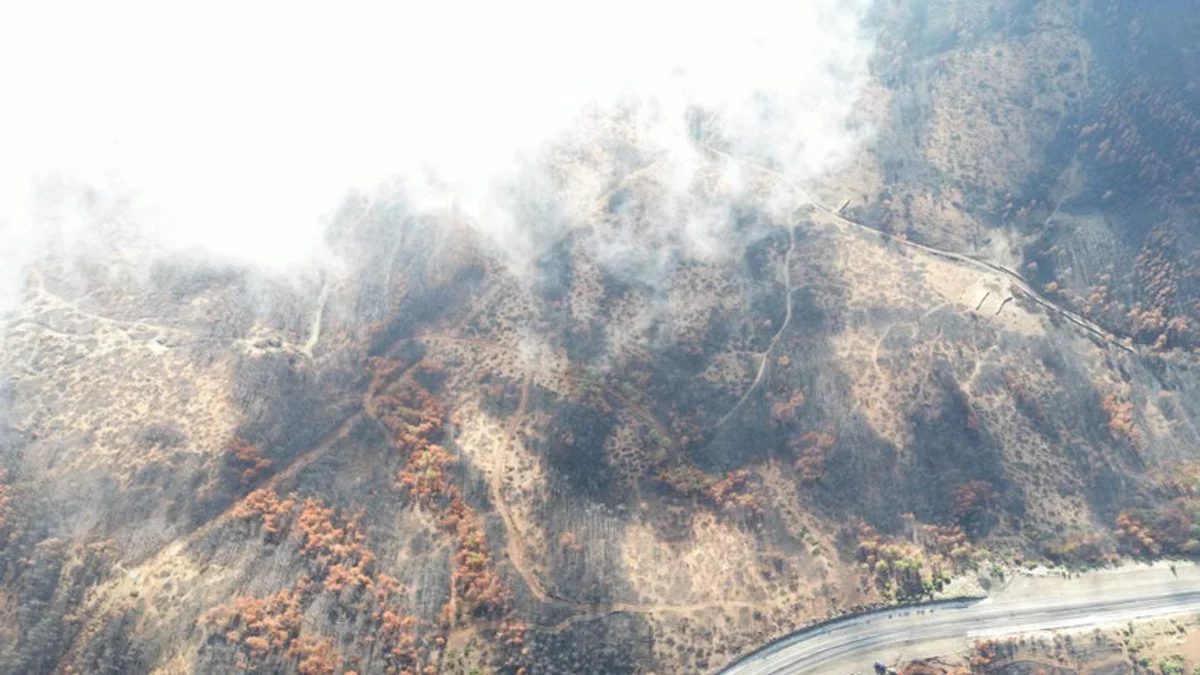
Regional diplomatic channels have also activated bilateral environmental monitoring frameworks to urge neighboring agricultural and forestry ministries to enforce stricter zero-burn policies. Uncontrolled land-clearing practices remain the primary catalyst for these recurring environmental challenges, testing ASEAN’s collective resilience and commitment to regional sustainability agreements.
Key Highlights
- PSI readings show fluctuating moderate to unhealthy levels across various districts.
- Vulnerable populations advised to limit strenuous outdoor activities.
- Bilateral monitoring frameworks activated between regional agricultural authorities.

As climate volatility intensifies dry spells across equatorial Asia, Singapore continues to advocate for robust long-term technological and cooperative solutions to permanently mitigate transboundary smoke pollution.