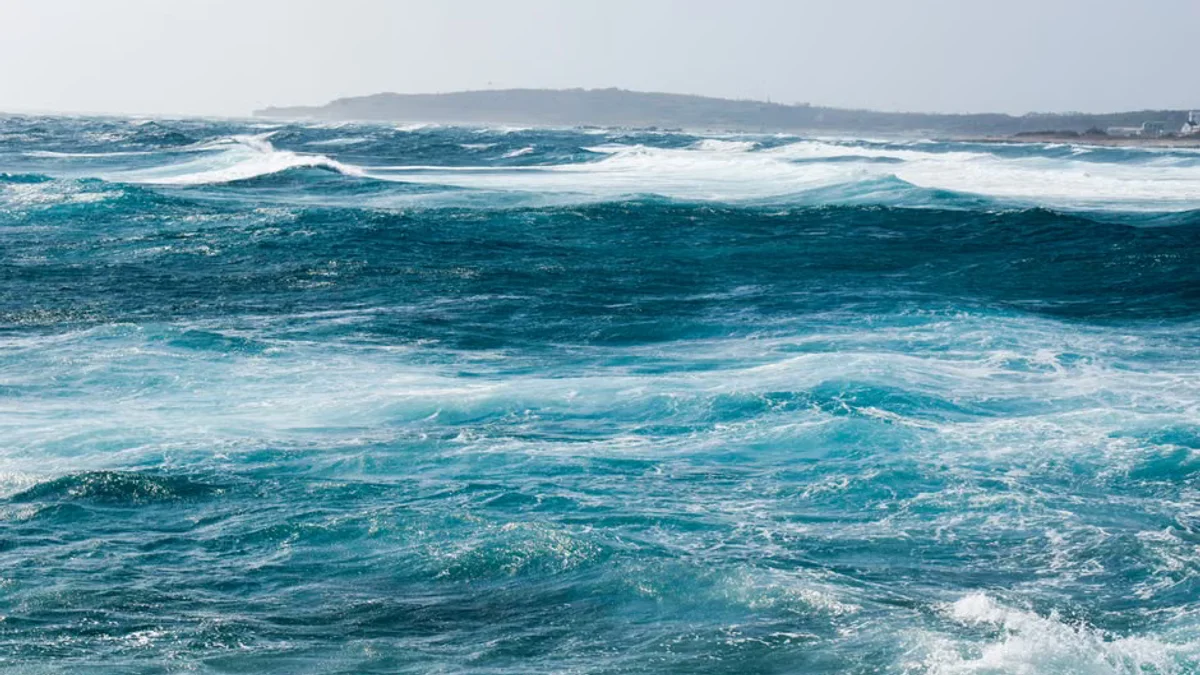
International climate scientists and meteorological agencies have intensified their monitoring of ocean surface temperatures, driven by prolonged data anomalies linked to a powerful Super El Niño cycle. The atmospheric and oceanic phenomenon, characterized by unusually warm waters in the central and eastern tropical Pacific Ocean, continues to exert profound repercussions on global weather patterns, marine biodiversity, and agricultural yields.
Recent data published by international climate research networks highlight that baseline ocean temperatures have broken historical benchmarks for consecutive months. This sustained thermal energy not only fuels extreme weather events, ranging from prolonged droughts in parts of the Southern Hemisphere to catastrophic precipitation anomalies elsewhere, but also accelerates coral bleaching events across tropical reef systems. Marine biologists warn that prolonged exposure to hyper-warmed waters threatens the foundational food webs of the world's oceans.

Policy advisors meeting in European and North American capitals are utilizing these telemetry reports to lobby for accelerated adaptation funding and stricter carbon emissions curbs. The direct correlation between oceanic heat retention and severe meteorological disruptions underscores the urgency of multilateral environmental cooperation.
Key Highlights
- Persistent high sea temperatures are linked to the ongoing Super El Niño phase.
- Marine biologists report severe threats to global coral reefs and ocean ecosystems.
- Policymakers are reviewing climate adaptation strategies in response to new data.

Addressing the compounding effects of oceanic warming requires unprecedented global solidarity and immediate mitigation measures to safeguard both natural ecosystems and human infrastructure.