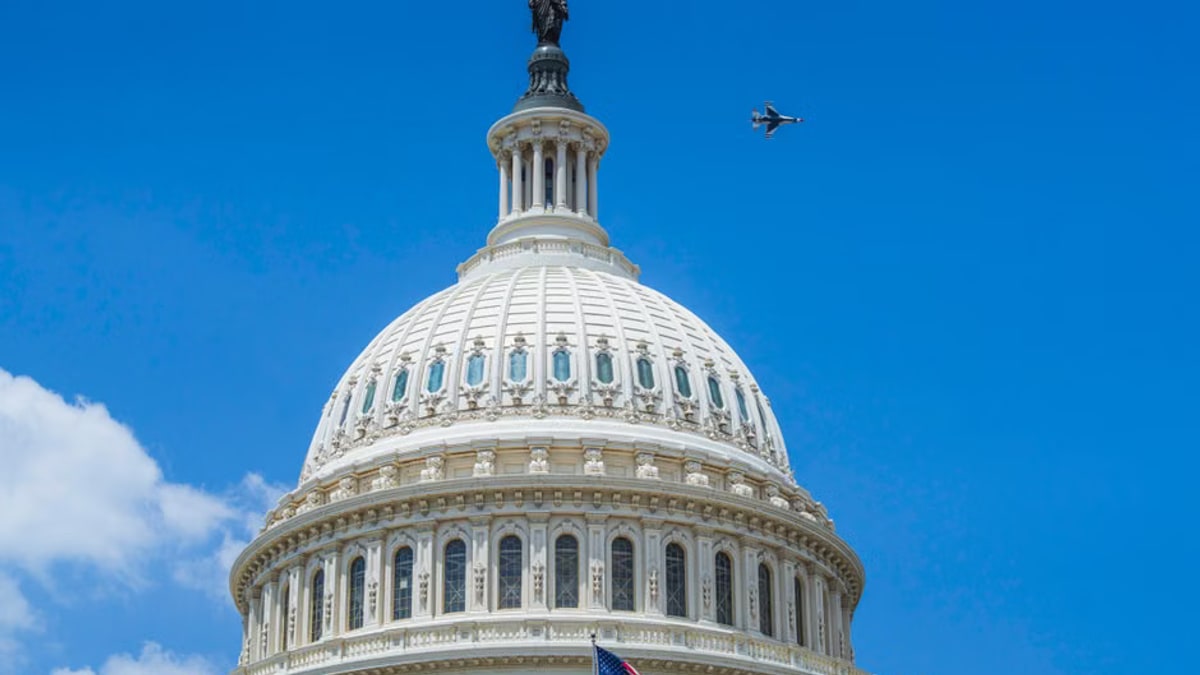
A constitutional battle regarding presidential authority and government transparency intensified in Washington this week as legal representatives for former President Donald Trump reaffirmed assertions of executive privilege over archival communications involving the John F. Kennedy Center for the Performing Arts. The dispute centers on historical administrative deliberations, board appointments, and federal funding allocations directed toward the national cultural institution during Trump's tenure in the White House.
The controversy emerged from ongoing congressional oversight inquiries and Freedom of Information Act (FOIA) litigation seeking internal executive branch records. House and Senate committees have sought insight into how cultural arts grants, institutional governance, and federal COVID-19 relief distributions were managed under previous administrative directives. Trump's legal counsel contends that confidential communications between a sitting president, cabinet officials, and agency heads are constitutionally protected from forced disclosure to preserve candid executive deliberation.
However, constitutional scholars and government accountability advocates argue that the scope of executive privilege has been stretched far beyond its historical national security bounds. With federal judges now reviewing the contested documents in camera, the litigation could set critical precedents regarding how far former chief executives can shield non-defense cultural governance records from legislative scrutiny and historical archives maintained by the National Archives and Records Administration (NARA).
Key Highlights
- Privilege dispute: Trump legal team asserts broad constitutional protections over executive discussions regarding the cultural institution.
- Oversight friction: Congressional committees demand unredacted correspondence surrounding federal funding and board stewardship.
- Judicial precedent: Federal courts evaluate whether non-military cultural administrative files meet standard thresholds for executive confidentiality.

As the case progresses through the federal appellate pipeline, legal observers emphasize that the ruling will carry significant implications for presidential transparency across future administrations.