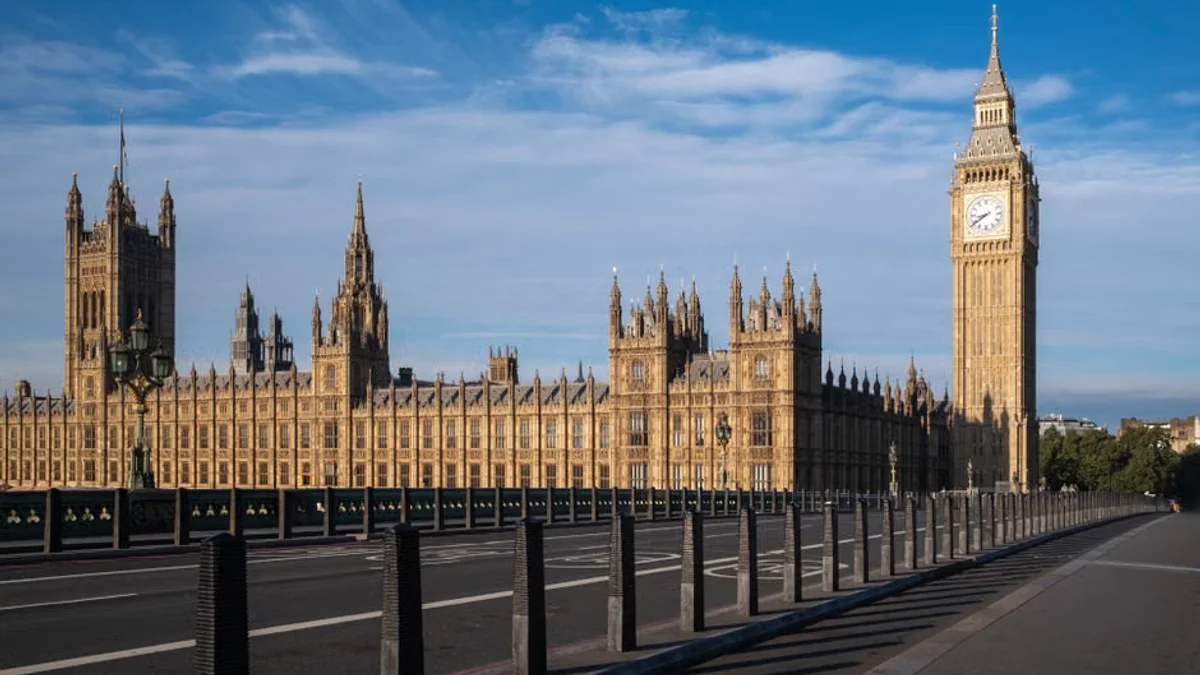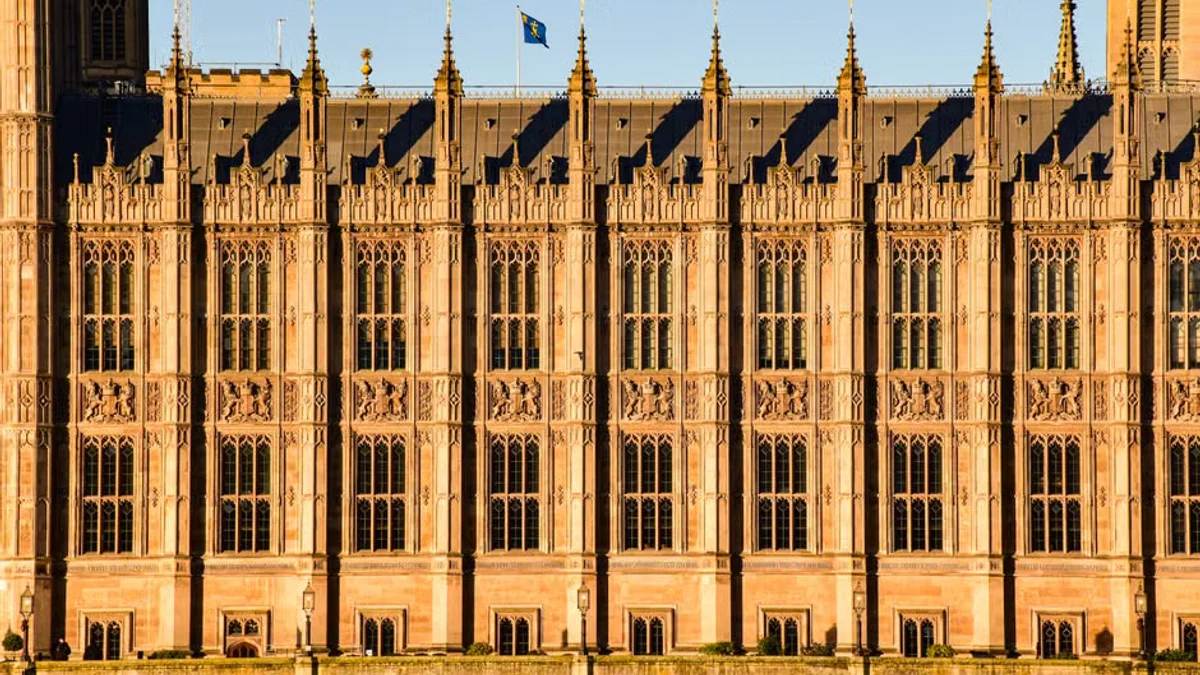
In a sweeping assessment of historical foreign policy threats, the UK Prime Minister has stated that it is now 'clear' that Russia interfered in the landmark 2016 Brexit referendum. The comments, drawing upon renewed intelligence briefings and investigative reporting, have reignited intense political debate across Westminster regarding the long-term vulnerabilities of democratic processes to sophisticated cyber operations and disinformation campaigns.
Intelligence officials have long pointed to coordinated social media amplification and cyber-enabled influence operations designed to polarize British voters ahead of the June 2016 poll. While previous administrations addressed elements of foreign interference through parliamentary committee reports, the current government's explicit confirmation marks a distinct rhetorical shift. Observers note this comes at a time of heightened geopolitical friction between London and Moscow over the ongoing war in Ukraine and broader European security frameworks.

Opposition leaders have called for a comprehensive, cross-party review of electoral laws to safeguard future ballots against state-backed disinformation. Meanwhile, cybersecurity experts emphasize that modern democratic resilience requires active public awareness campaigns alongside robust platform accountability. The revelations also cast a long shadow over post-Brexit political discourse, prompting renewed scrutiny of decision-making transparency and foreign funding regulations within British politics.
Key Highlights
- UK Prime Minister explicitly confirms Russian interference in the 2016 Brexit vote.
- Statements draw upon refreshed intelligence assessments and cyber-security reports.
- Lawmakers call for immediate legislative reforms to protect future democratic elections.
As Western nations grapple with the evolving landscape of hybrid threats, this confirmation underscores the enduring challenge of securing open societies against clandestine foreign manipulation.